
The Holy Nights Through a Child’s Eyes
By Sarah Barrett
As a sequel to our last blog post “The Holy Nights: A Waldorf-Inspired Practice for Grown-Ups”, we want to offer thoughts on how children can experience the Holy Nights.
In Waldorf education, we understand that children live much more fully in their bodies and in the world around them than in reflective thinking. What adults experience inwardly through contemplation, children experience through atmosphere, rhythm, and mood. In other words, children do not reflect, they absorb.
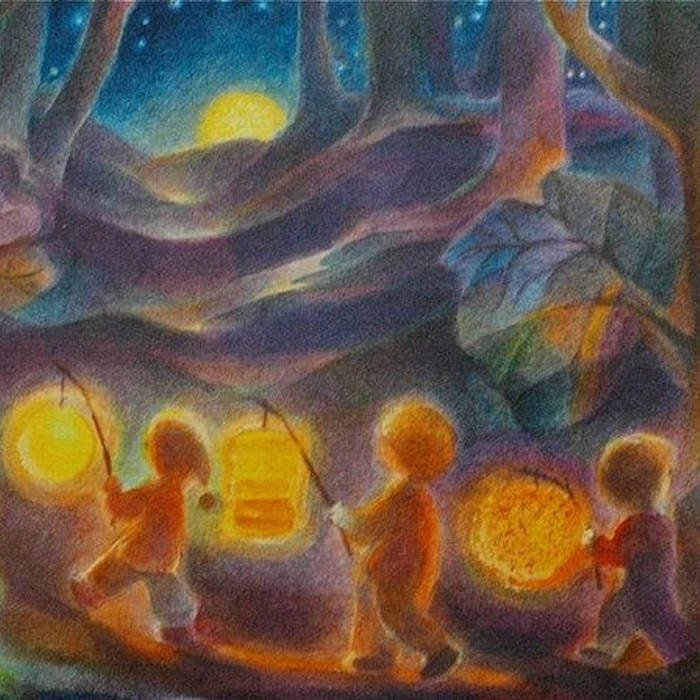
For this reason, the Holy Nights are not something children are asked to practice or reflect on in a conscious way. Adult growth during the Holy Nights can happen when we work with looking back and forward, quiet questions and inner images. But children’s growth happens when they can work with warmth, rhythm, repetition, protection from overstimulation. During the Holy Nights, children are nourished not by explanations, but by the quality of the days themselves.
What Children Need During the Holy Nights
Rather than asking children to “participate,” Waldorf education invites adults to carry the practice inwardly, so children can rest within it. What a beautiful image for parents, caregivers, and teachers to live in.
Helpful gestures include:
Unhurried mornings
Early bedtimes
Familiar routines
Candlelight at meals
Simple seasonal songs or verses
Time for imaginative play
Fewer outings and less noise
Children sense when life becomes quieter. This quiet becomes inner safety.
If anything is offered outwardly, it is best done through story and image, not discussion. Simple winter or Christmas stories, nature tales, or bedtime verses are enough. There is no need to explain the meaning of the Holy Nights or the cosmic rhythms behind them. In Waldorf understanding, meaning ripens later.
Different Ages, Different Needs
Young children (Birth–7) experience the Holy Nights entirely through mood. They benefit from consistency, warmth, and sleep. Children in grades (7–14) still live strongly in feeling and imagination. They may enjoy quiet crafts, drawing, or candle-lighting. They do not need to “look back” or “look ahead”.
Teens (14+) may naturally ask questions or want quiet time. They should never be required to participate. Invitation, not expectation, is key.
Why the Adult’s Inner Life Matters
In Waldorf education, we say that the adult’s inner work becomes the child’s outer environment. When adults move more slowly, speak more quietly, and carry a sense of reverence, children feel held—often without knowing why. This is the deepest way children “experience” the Holy Nights.
Even one small gesture—lighting a candle, slowing the pace, choosing rest over activity—creates a protective space for children during this tender time of year.
At Lotus & Ivy, we see the Holy Nights not as another tradition to manage, but as a gift of simplicity, warmth, and trust—for adults and children alike.