
Class 7 Complements
Click one below to learn more:
PAINTING & DRAWING
Cooking
Experienced UKuLELE
THEATRE & SPEECH
WORLD LANGUAGES: SPANISH
Painting & Drawing
This is a year-long class (2 semester) for 7th and 8th grade students. Black and white drawings of natural objects and still life; landscape color perspective paintings; perspective drawing; and architecture will be central to this class.


Students who are 13 & 14 can feel unsure and misunderstood in their changing physical bodies. Artistic work can help them stand more confidently and easily in the world. Practicing accuracy in perception and thinking will help the student form a clear relationship with the world around them and their own mental abilities.
SEMESTER 1
In this semester, we will further explore object drawing, with a strong focus on observation, moving from black and white into full color. The lessons will start with simple skills exercises to develop drawing skills and we will then work tasks set. Learning to observe precisely is key to good object drawing. We will practice using everyday household objects that will become the focus of drawing, honing in our skills of line, shading, light and darkness. We will use only black and white and then move into colour.
Each student will learn how to use a pencil, line weights, intensity etc and look at how, when using color pencils, we can layer colours to give deeper and more vibrant colours.
Once we have mastered some of these skills we will explore the same observation using paints, particularly aspects of veil painting so they can learn how to combine colours. and how thin transparent layers can bring a vibrancy to their work.
This semester will consist of lessons where the teacher leads the students through a piece of work and also work they create freely by themselves.
SEMESTER 2
This class will focus on landscape painting in various media. We’ll incorporate what the students have learned in previous classes regarding perspective, shading, color, and form. Periodically, I’ll introduce the work of a particular artist. We’ll discuss that person’s technique and think about adapting it for our own work.
Waldorf students work with watercolors from Kindergarten on. The early grades focus on color study, leading to veil painting in older classes. In this class, we'll work with the subtleties and gradations of color possible when using tubed, rather than liquid, watercolors.
Pastel paintings encourage the student to build up forms and create depth by adding layers of color. The results can be paintings that practically sparkle with rich color.
Acrylics provide yet another approach to liquid paints. These paints are created from a plastic base and dry very quickly, so any “mistake” can be easily corrected. Acrylic paints were not available until the mid-20th century. Now, many artists prefer them to oil paints.
We will end the year with paper-cut collages. These are not paintings, but they offer yet another approach to color and form [as well as fine motor challenges!].
In each block, the teacher will model proper brush technique and color mixing possibilities as well as providing an image to serve as a model. Students will be encouraged to "make the painting their own" by adding or deleting elements from the model, or by choosing their own models.
The course will focus on the period of history from 1800 - 1950. We’ll explore various media and take a brief look at the work of some of the major visual artists of this time period.
Cooking

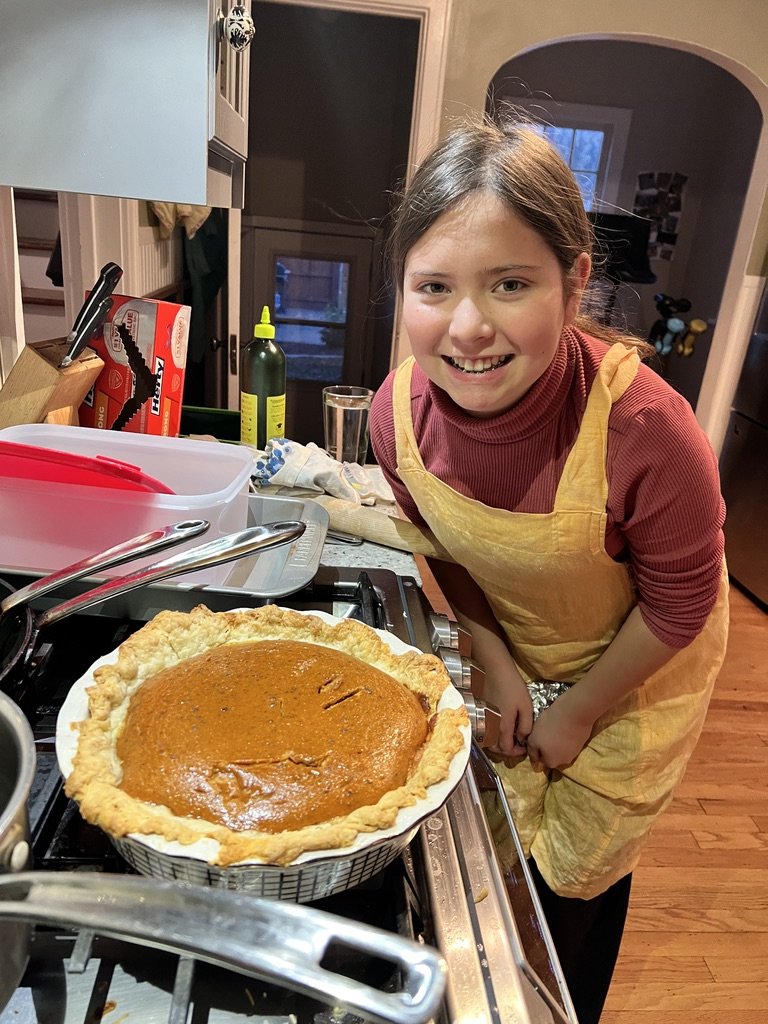
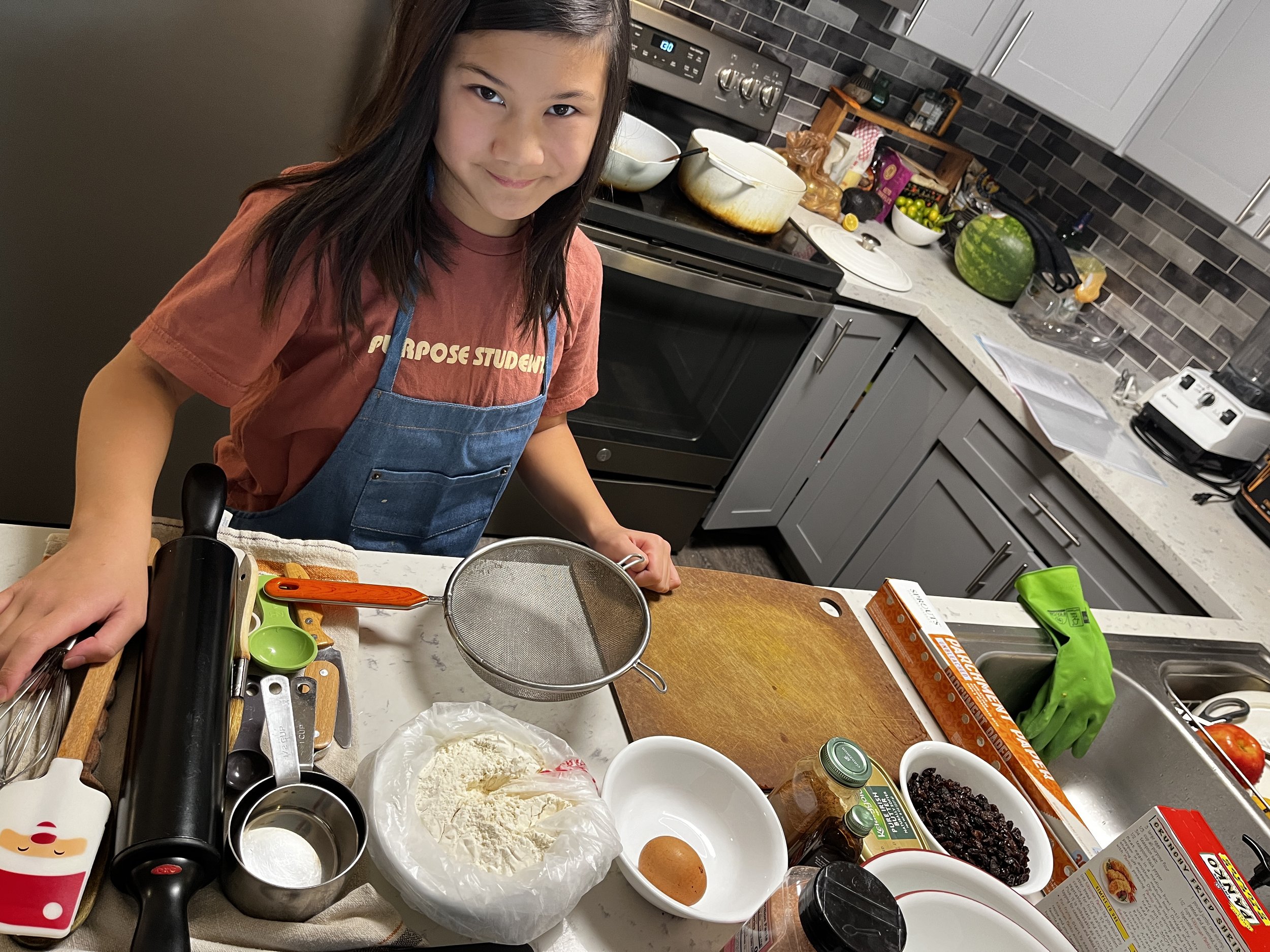
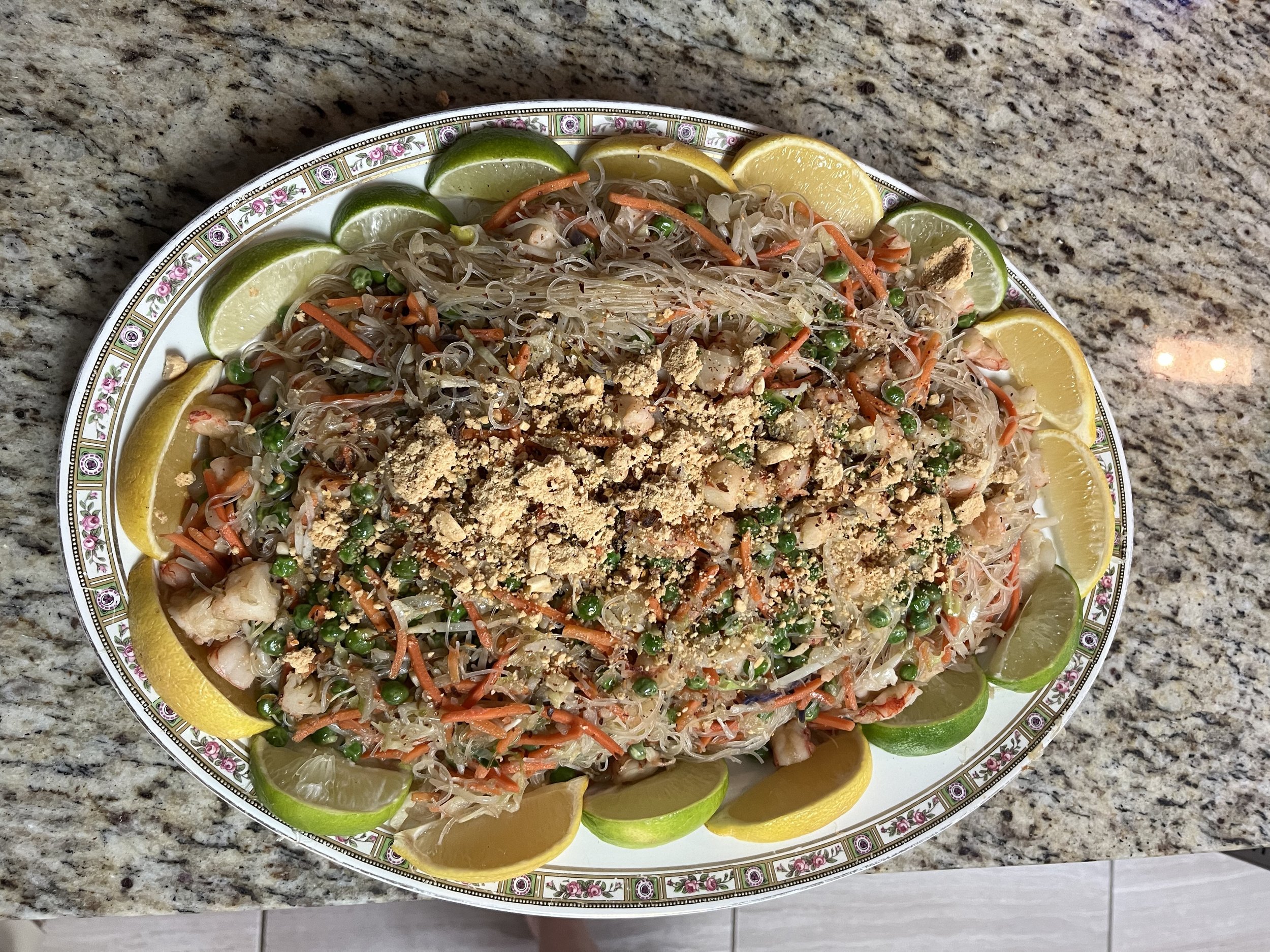

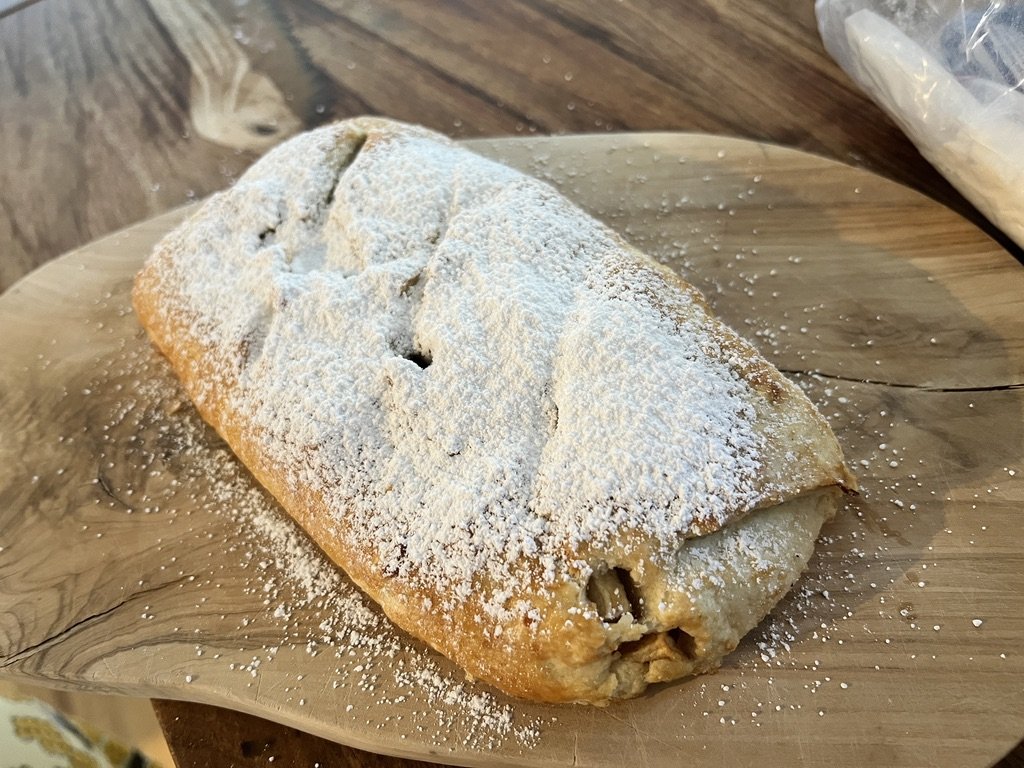

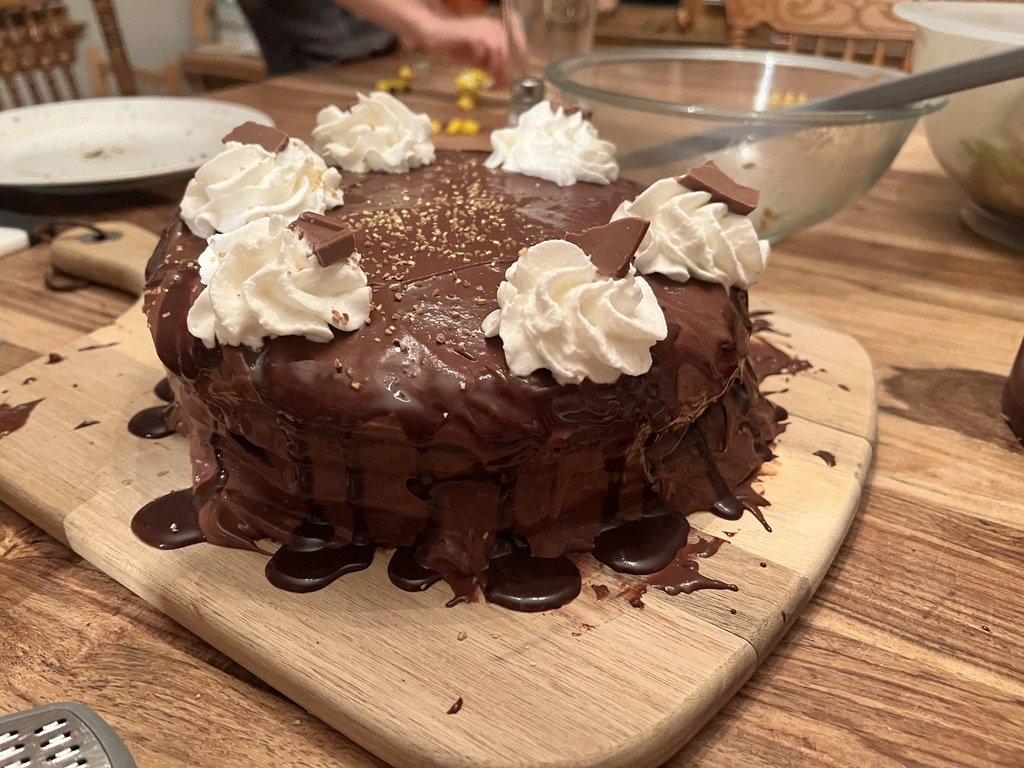
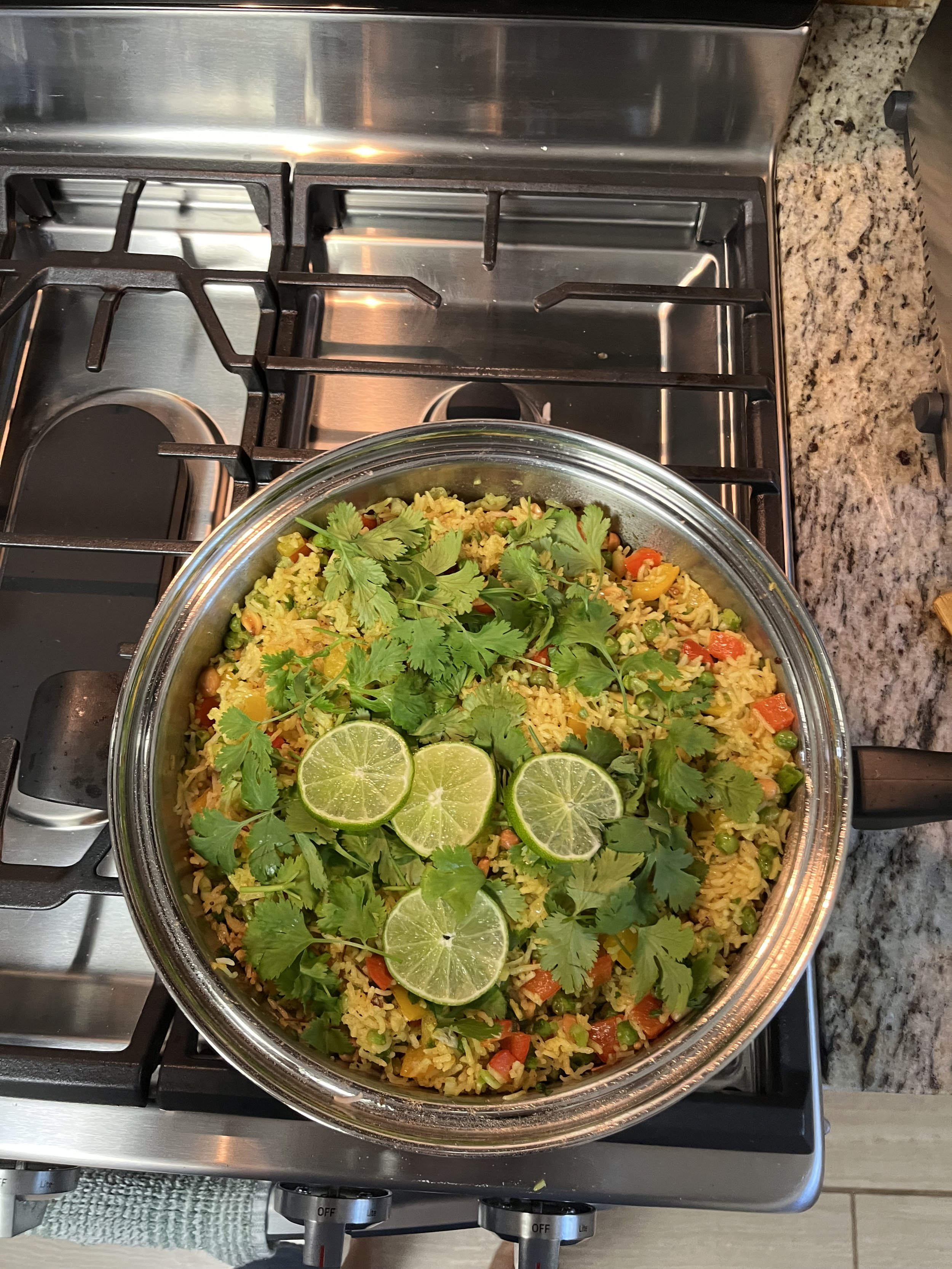

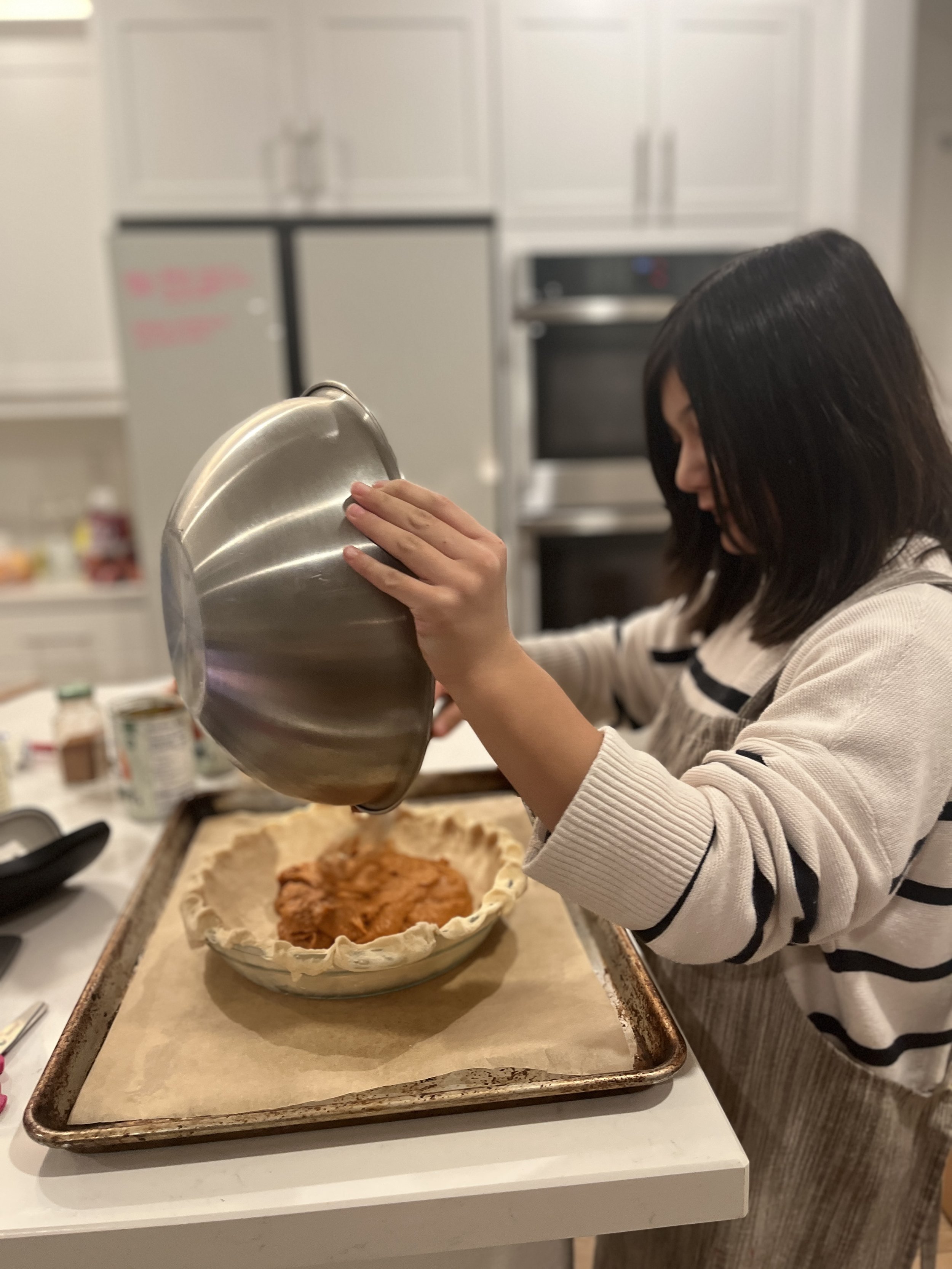


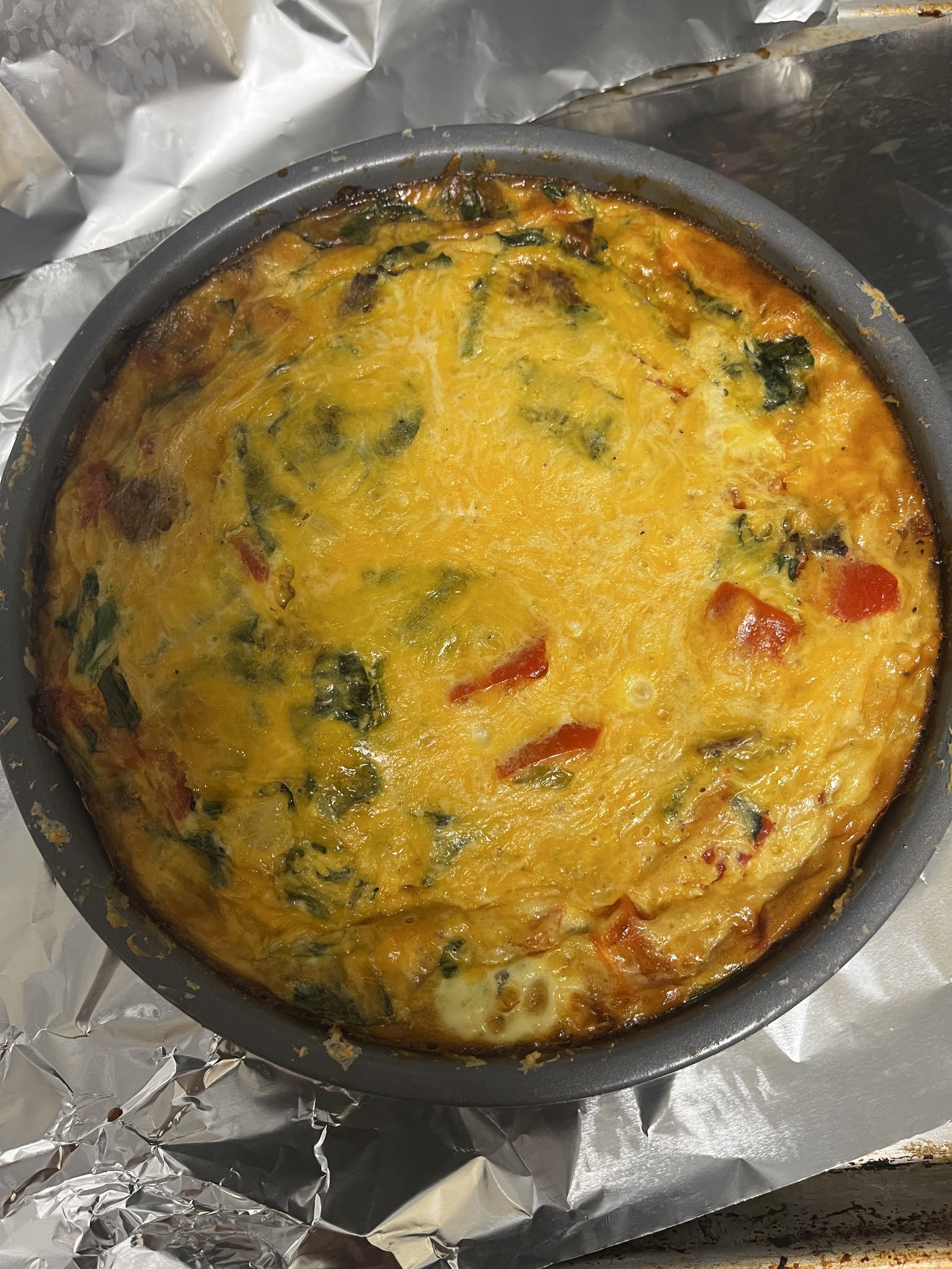

Encouraging children to help prepare healthy meals for their families is an excellent way to teach them essential life skills. They gain a deeper understanding of the effort and time required to create tasty dishes and develop a stronger connection to the ingredients they use. This connection often makes children more open to trying foods with new flavors and textures. By expanding their palate, they can develop healthy eating habits that benefit them for life. By encouraging independence and instilling competence, children will gain the confidence to make any recipe they discover and adapt recipes to suit their tastes. The sense of accomplishment that comes from feeding loved ones can also lead to self-confidence in other areas of life.
Anticipated Recipe List:
(Recipes are subject to change according to dietary restrictions and accommodations needed within the class.)
Swedish Pancakes
Mediterranean Hummus Veggie Wraps (Greece)
Apple Strudel (Germany)
Design Your Own Taco/Burrito Bar (Mexico)
Healthy Vegan Russian Tea Cakes
Indian Lemon Rice and Mango Lassi
Pampoenkoekies (South African Pumpkin Muffins)
Homemade Pizza (Italy)
Rozijnenbrood (Dutch Raisin Bread)
Chinese Egg Drop Soup with Wontons
Brigadeiro (Brazilian Chocolate Caramel Balls)
Gyoza Dumplings (Japanese Potstickers)
Cranberry Hootycreeks Jar Cookies for gift-giving (USA)
Bagels (Poland)
Omelets Around the World
Throughout the semester, the variety of recipes will reinforce technical skills, encourage innovative use of ingredients, and support interest in food culture. However, this class is about more than preparing tasty dishes.
Cooking offers hands-on experience with measuring, counting, fractions, tracking time, and temperature. For students in third grade and up, multiplication and division skills are needed to scale a recipe up or down. For students in fifth grade and up, additional math practice can come from calculating the cost of making a recipe vs. the price of a take-out version of a similar dish.
Following the step-by-step process-focused instructions of a recipe improves reading comprehension and shows that reading has practical benefits.
As foods are prepared, abstract concepts such as chemical reactions become relevant and understandable to children.
Cooking requires problem-solving and resilience to find solutions when a recipe does not come together as planned.
Many recipes we will prepare utilize basic ingredients that the student may already have in their pantry, demonstrating that home-cooked meals are manageable and can be fast and straightforward to prepare.
The kitchen is an excellent place for children to engage their senses experientially. They can knead, toss, pour, smell, chop, feel, and taste foods, all while having fun and learning without even realizing it.
Students will be encouraged to flavor dishes with herbs and spices and challenged to try their own variations, customizing recipes to suit their flavor and dietary preferences.
Cooking can teach children responsibility as they learn specific tasks to contribute to meal preparation and cleanup.
Acquiring ingredients from the grocery store, farmer’s market, or even harvesting their own herbs, fruits, and vegetables helps children understand where the ingredients that make up their favorite meals are sourced. Purchasing fresh, locally grown ingredients supports farmers in your area. For the Cooking 3/4 class: Students will be encouraged to visit a farmer’s market or pick- your-own farm to choose local seasonal ingredients.
Making a grocery list before shopping helps a child learn about planning and making informed choices about healthy foods. Choosing whole-food ingredients reduces packaging waste and instills the values of environmental consciousness.
Preparing recipes from other countries allows children to experience new flavors and textures. This exposure to diverse cuisines opens a child’s mind to different cultures, offers a geography lesson, and promotes awareness, understanding, and appreciation of culinary traditions and practices worldwide. For the Cooking 5-8 class: Each week, students will be encouraged to research two new facts about the recipe’s country of origin to share with the class.
Cooking allows children to learn more about their own heritage and family traditions through treasured recipes passed down through the generations.
Theatre & Speech

In Lotus & Ivy’s Theatre and Speech Arts classes, students explore the living power of story, spoken word, imagination, and dramatic play. Through characterization, movement, voice, Rudolf Steiner-inspired speech exercises and dramatic gestures, and ensemble work, students learn to bring literature and characters to life.
This program blends foundational acting skills with creative speech arts. Students work with articulation, diction, rhythm, tone, prosody, and breath, while also developing confidence, presence, imagination, and expressive communication.
Speech and drama act as a bridge that helps us cross from one inner world to another. Through creative speech and drama, students practice listening, turn-taking, collaboration, emotional expression, and awareness of how their voice and presence affect others. In this way, the class supports social-emotional intelligence, empathy, and connection.
Main Lesson themes, seasonal imagery, poetry, classical and modern stories, and age-appropriate dramatic texts are woven into the curriculum meeting the developmental needs of each class.
Even in a virtual setting, making friends and building an ensemble is the heart of what we do! With theater games, partner and small group work, choral speaking, and shared play we create a joyful, tight-knit community built on creativity and laughter!
No prior theater or speech experience is needed. Students are encouraged to participate at their own comfort level as they grow.
In Grades 6–8, students dive deeper into theater and speech with a special focus on expressive speech through poetry and monologue. Students explore how an enlivened imagination and voice can reveal emotion, atmosphere, and meaning. Students will jump into improvisation, scene study, physical theater, and ensemble performance, using their whole selves to create bold and meaningful dramatic work. Whether students are seasoned performers or brand new to the stage, this class gives them room to experiment, take creative risks, and grow. Together, we will build confidence and social awareness while strengthening each student’s authentic and creative speaking voice. Students will learn to listen more deeply, respond more truthfully, and bring their own unique spark into relationship with others.
What We’ll Explore:
Poetry Recitation: Bring poems to life through expressive speech.
Monologue Work: Explore solo performance by developing voice, character, intention, and emotional truth.
Expressive Speech: Practice clarity, tone, breath, rhythm, gesture, and nuance so language becomes vivid and meaningful.
Improvisation & Dramatic Play: Think on your feet, take creative risks, and build a quick, responsive stage presence.
Scene & Character Work: Bring text to life by exploring character choices, relationships, motivations, and dramatic action.
Physical Theater & Pantomime: Tell powerful stories through movement, gesture, posture, and expression before a single word is spoken.
Ensemble Collaboration: Work with peers through group scenes, choral speech, shared performance, and creative problem-solving.
Creative Confidence: Strengthen presence, self-awareness, empathy, and the courage to share your unique voice with others.
Classes meet weekly for 18 weeks, except during school-wide breaks. Throughout the semester, there will be class demonstrations or sharing in which families are invited to witness the students’ work.
Please note: This artistic and educational arts course does not replace specialized speech-language pathology or clinical speech therapy.
Experienced Ukulele


This class is for children who have previous experience with the ukulele (whether it was class with me previously or taught by another teacher). It is important for children who join this class to be able to play and identify basic chords (C, G, Am, F, A, D, G7) and strum as they sing (which is a really big step!).
Students entering this group should be comfortable with the “island strum” (DDU UDU) and able to transition between at least 6–8 chords with relative ease. Placement is based on experience rather than age, and students in grades 4–9 are welcome.
In this class, we will build on existing skills by exploring a wider range of chords, including bar chords and more complex shapes, as well as playing in multiple keys. Students will work with varied rhythm patterns, strengthen their timing, and develop greater fluency in chord transitions.
The focus remains on making music together, with increasing opportunities for student leadership, musical choice, and creative expression. Students may begin to explore harmony, dynamics, and more nuanced playing, as well as the possibility of informal performance.
This class supports students in moving from foundational playing into a more confident, expressive, and independent musical relationship with the ukulele.