
Beginner Ukulele


This class is for children who are brand new to ukulele and for students who aren’t quite ready for advanced ukulele. If you took ukulele with me previously, this class will be right for you if: a) holding a steady strum and singing at the same time are still tools in your belt that need sharpening, b) you’re still working to memorize and create basic chords (C, G, F, Am, Em, G7, A), c) you’d like to take the beginners class again to deepen your skills before moving onto more complicated chords and rhythms.
Playing the ukulele offers a myriad of benefits that positively impact both mental and physical well-being. Engaging in the rhythmic strumming and precise finger movements required to play chords and melodies enhances hand-eye coordination and fine motor skills. The melodic and harmonic aspects of playing the ukulele promotes relaxation, and reduces feelings of stress and anxiety. Learning and practicing music stimulates various areas of the brain, improving cognitive function, memory, and concentration.
Regular practice sessions instill discipline and perseverance, contributing to personal growth and development. Please encourage your child to play every day until it becomes a habit.
In this class, students will embark on an exciting musical journey, learning the fundamentals of playing the ukulele while exploring various rhythms, chords, and songs. Blending chord practice and playing songs will make for a wonderful, full learning experience and will excite the children. During class, students will be listening to me, and playing along, or I will play a group of chords, and they will “repeat after me” in a choral manner. There will also be times where students are the ones leading and playing off mute.
Throughout the class, emphasis will be placed on creativity, expression, and collaborative learning. By the end of the course, students will have developed a solid foundation in ukulele playing, equipped with the skills and confidence to continue their musical journey with passion and enthusiasm.
If you’d like some reading about music in Waldorf schools, this is a wonderful read: Music as a Threshold Experience
What Grown-Ups say about Ms. Gemignani’s Ukulele classes:
“I wanted to send you this note to tell you that yesterday I witnessed the profound impact your work had on the 5th grade class.
Yesterday, in our last main lesson we had show and tell. Several students chose to play the ukulele for the class. They played with such enthusiasm, confidence and joy that I had tears in my eyes the whole time. A couple of them even asked if they could play more after all the presentations were over.
I also loved the songs they chose. I'm sure you already know this, but I was overjoyed to see how successfully you imparted the love of music.”
Experienced Ukulele
This class is for children who have previous experience with the ukulele (whether it was class with me previously or taught by another teacher). It is important for children who join this class to be able to play and identify basic chords (C, G, Am, F, A, D, G7) and strum as they sing (which is a really big step!).
Students entering this group should be comfortable with the “island strum” (DDU UDU) and able to transition between at least 6–8 chords with relative ease. Placement is based on experience rather than age, and students in grades 4–9 are welcome.
In this class, we will build on existing skills by exploring a wider range of chords, including bar chords and more complex shapes, as well as playing in multiple keys. Students will work with varied rhythm patterns, strengthen their timing, and develop greater fluency in chord transitions.
The focus remains on making music together, with increasing opportunities for student leadership, musical choice, and creative expression. Students may begin to explore harmony, dynamics, and more nuanced playing, as well as the possibility of informal performance.
This class supports students in moving from foundational playing into a more confident, expressive, and independent musical relationship with the ukulele.
Needle Felting & Wet Felting: Mythic Creatures of the Ancient World


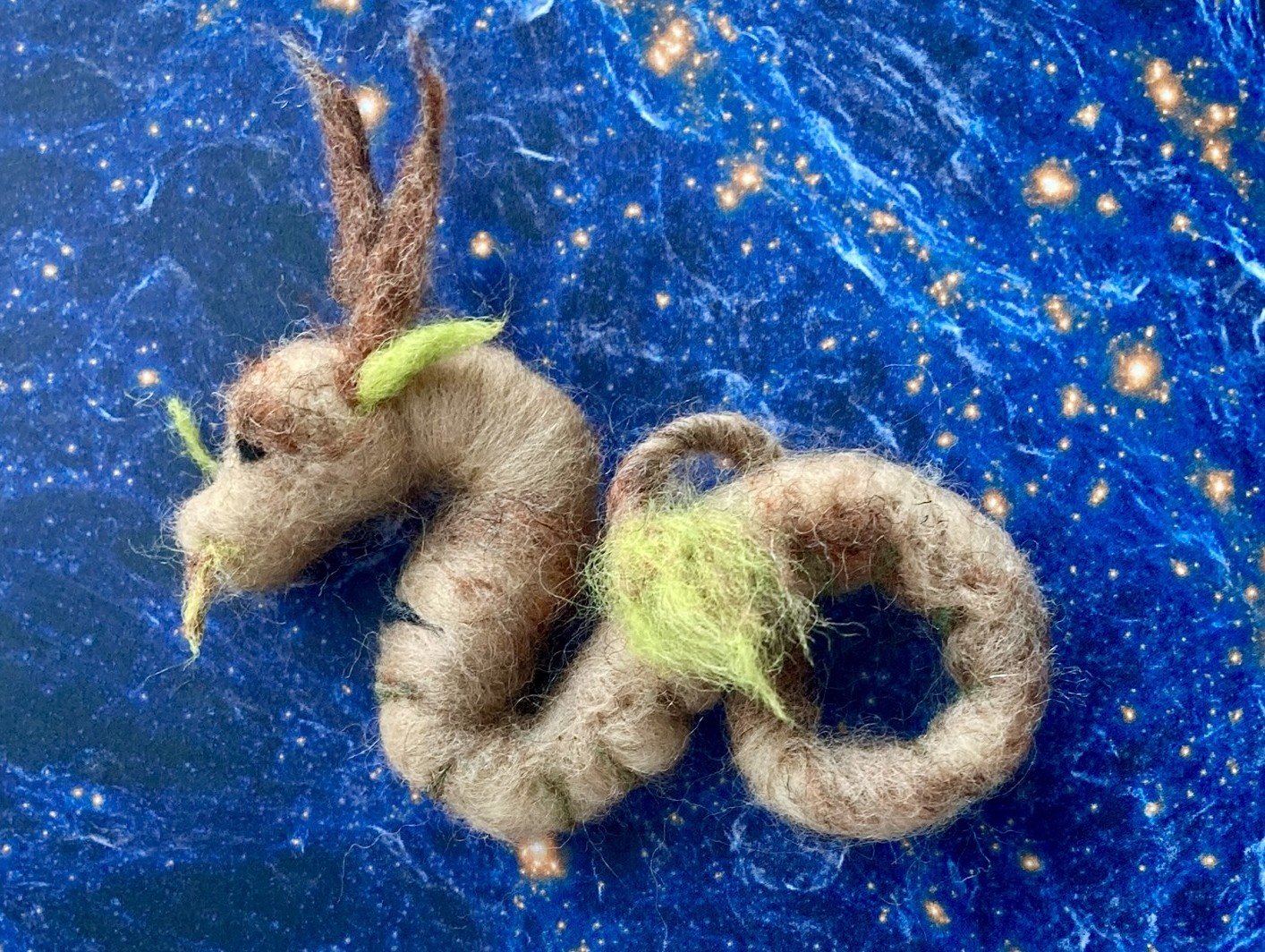
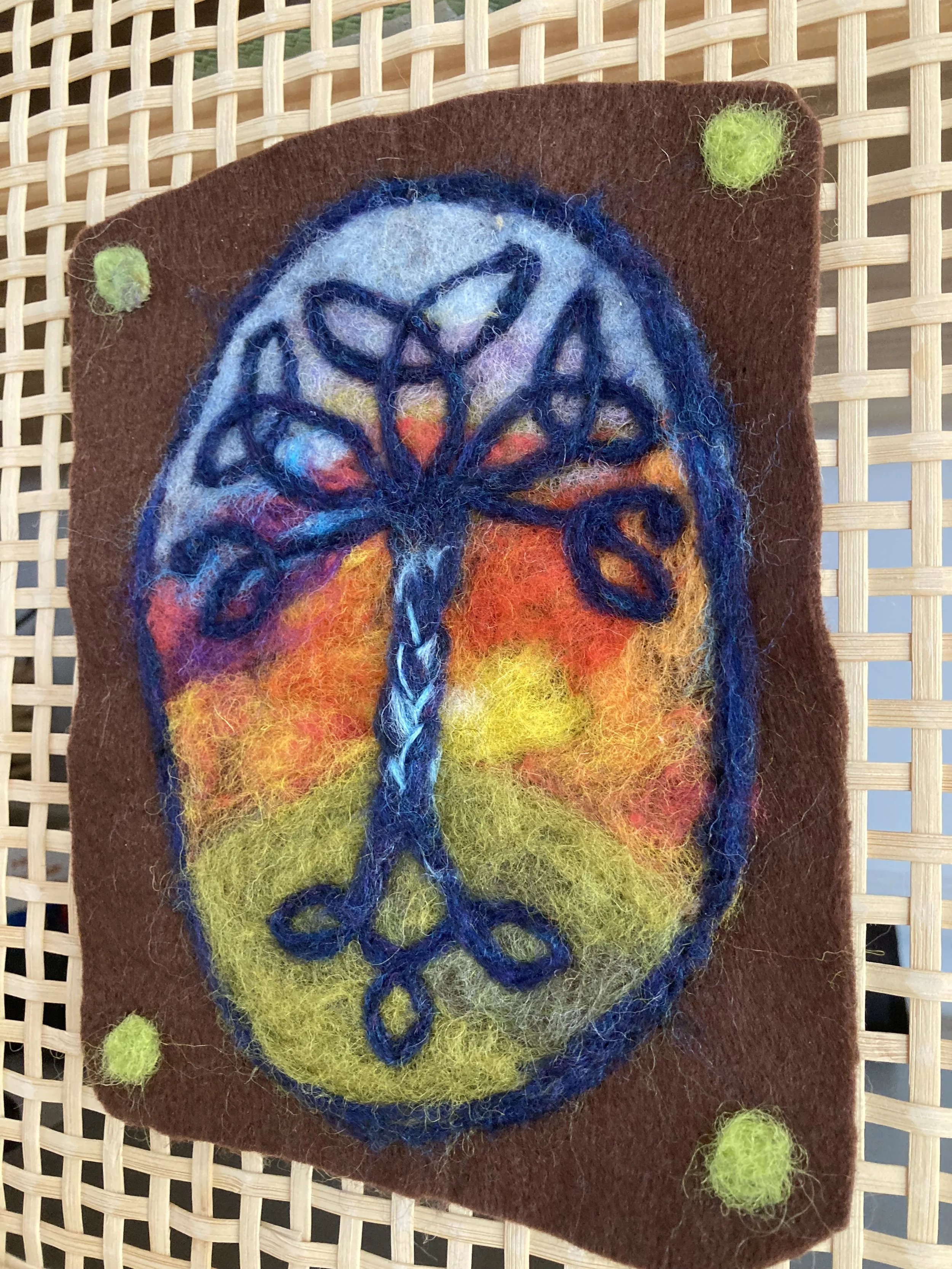
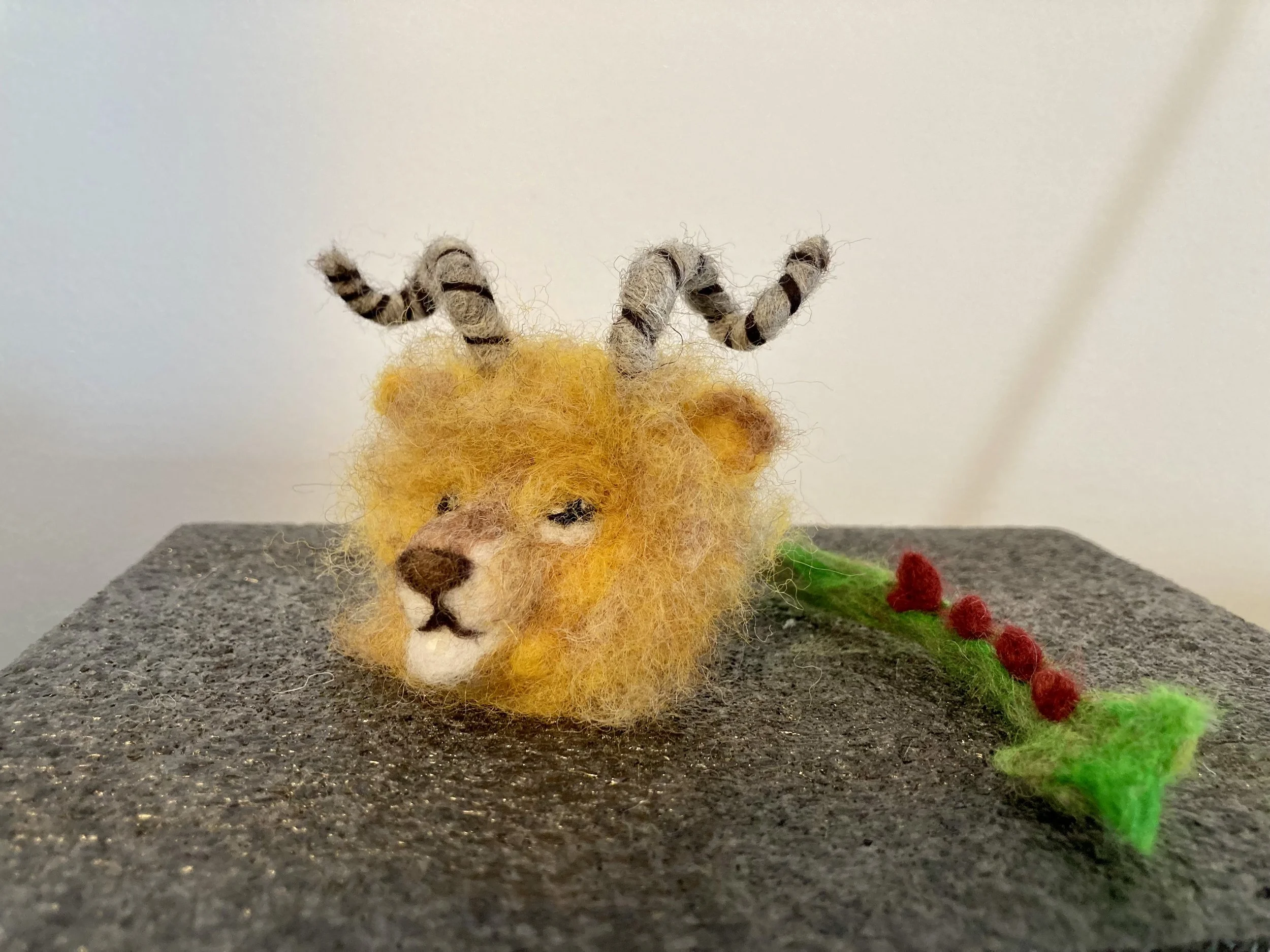
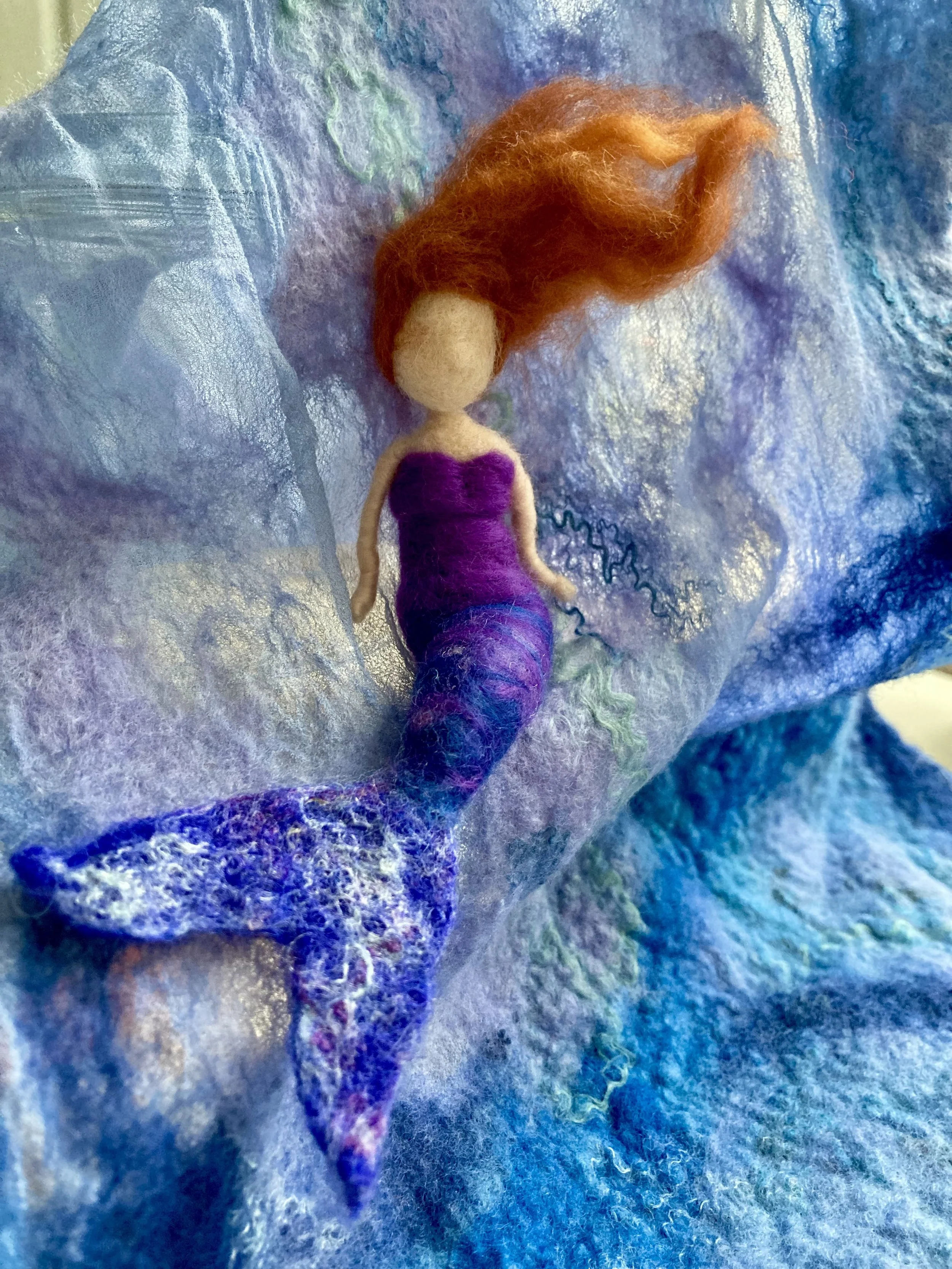
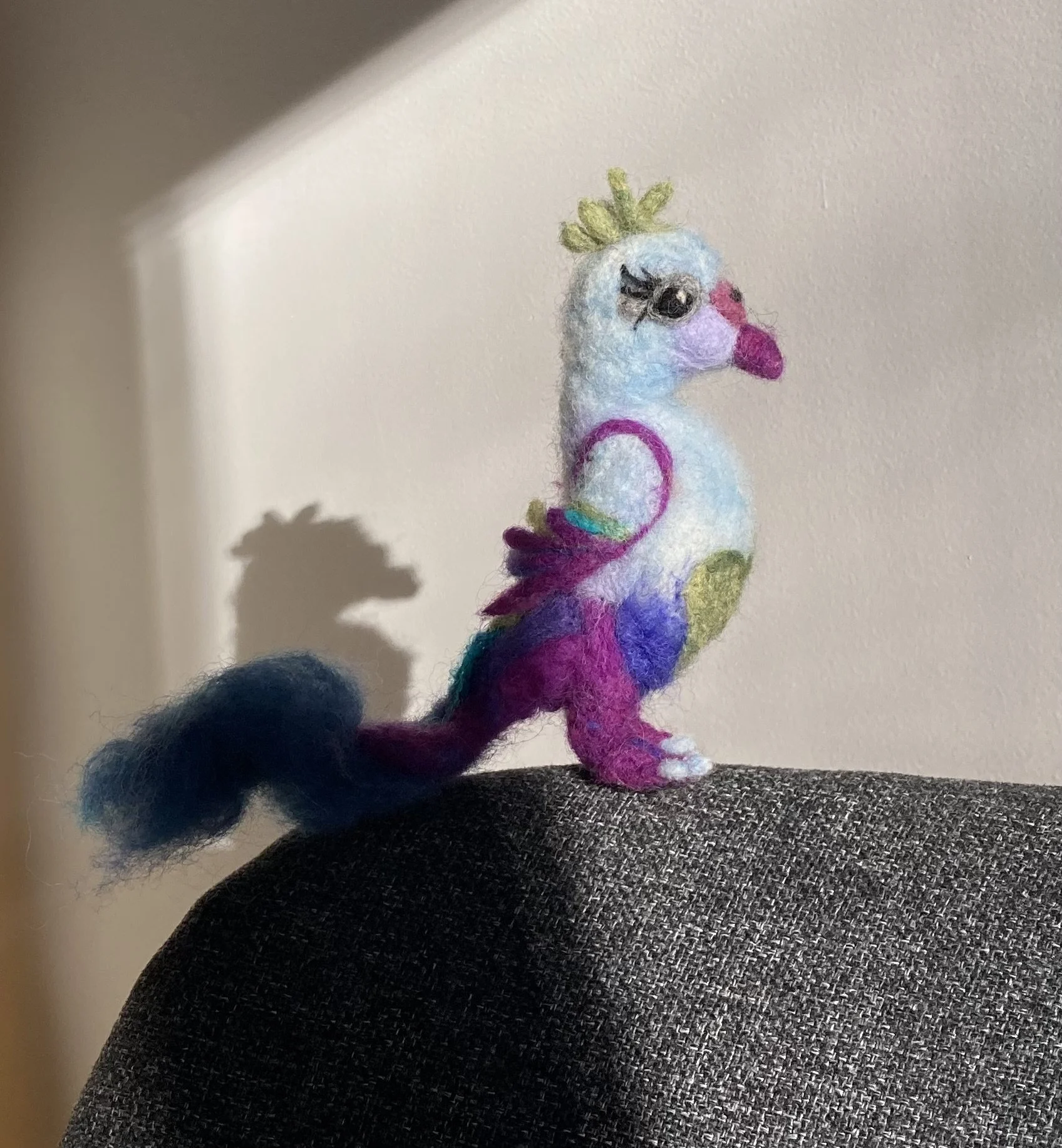
Needle felting is a gentle sculptural art, where clouds of soft wool are slowly transformed through the touch of a barbed needle into forms full of life and character. In this class, the craft becomes a doorway into the imaginative world of mythological beings from ancient stories. This theme invites students to engage deeply with their creativity, as each project becomes more than a craft, becoming a small story brought to life. The process encourages focus, patience, and a quiet sense of accomplishment, while offering a meaningful connection between artistic skill and the timeless world of myth and legend.
Painting & Drawing
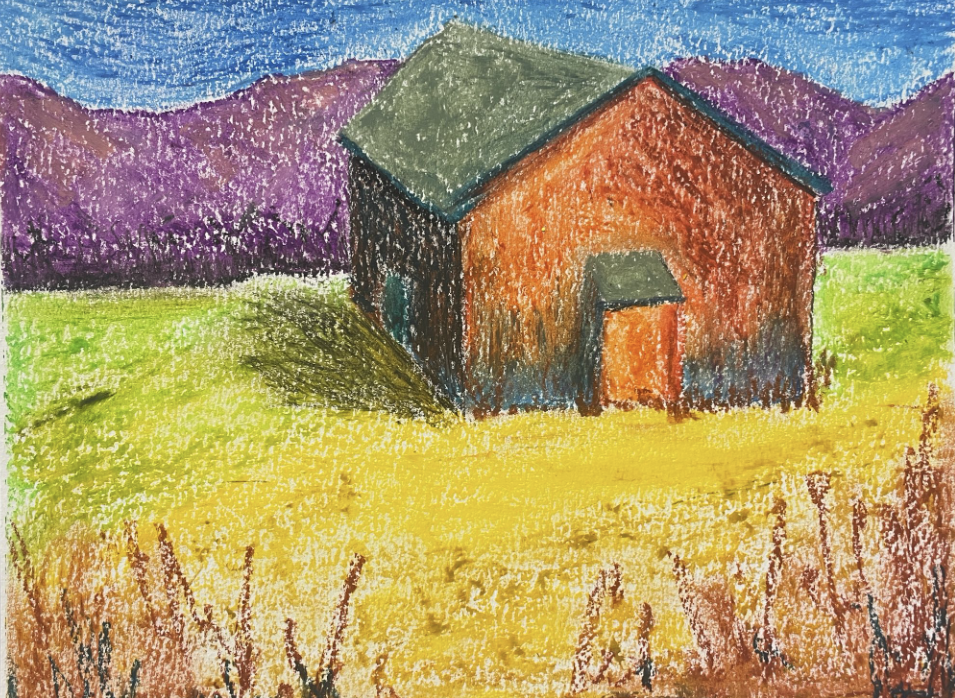


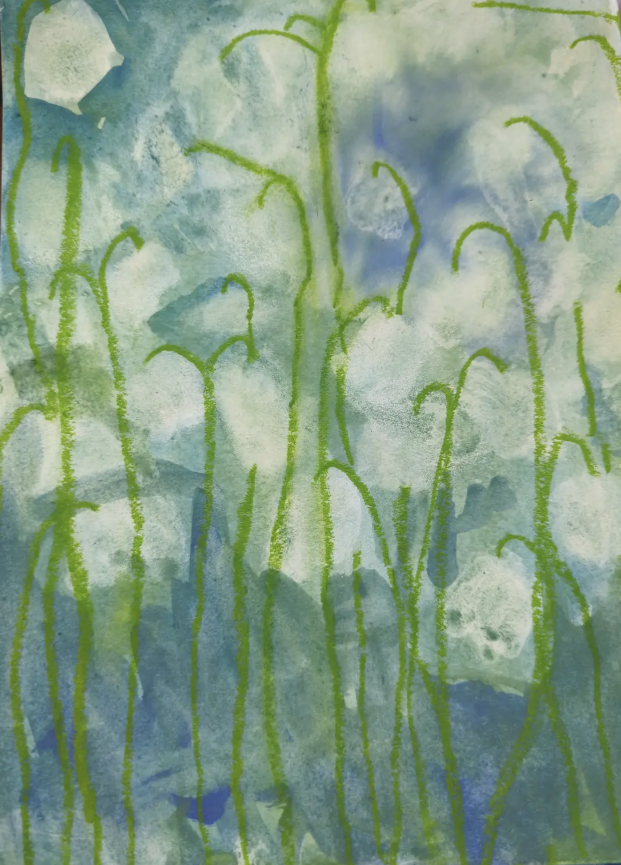
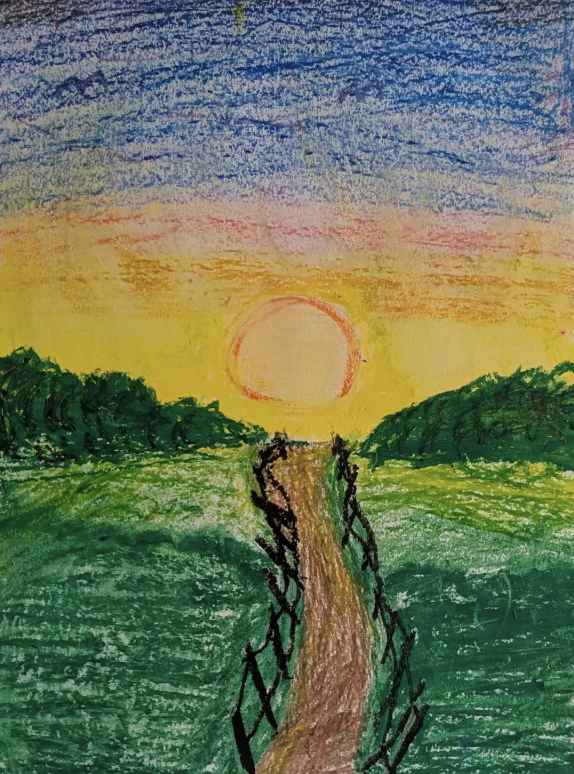
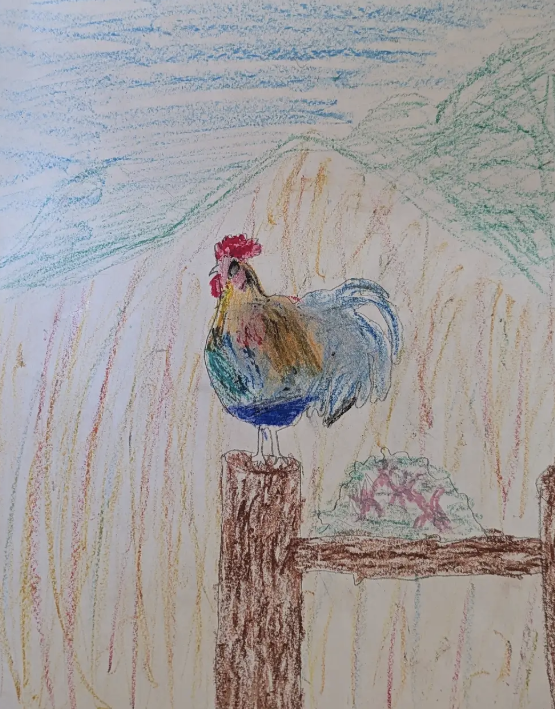
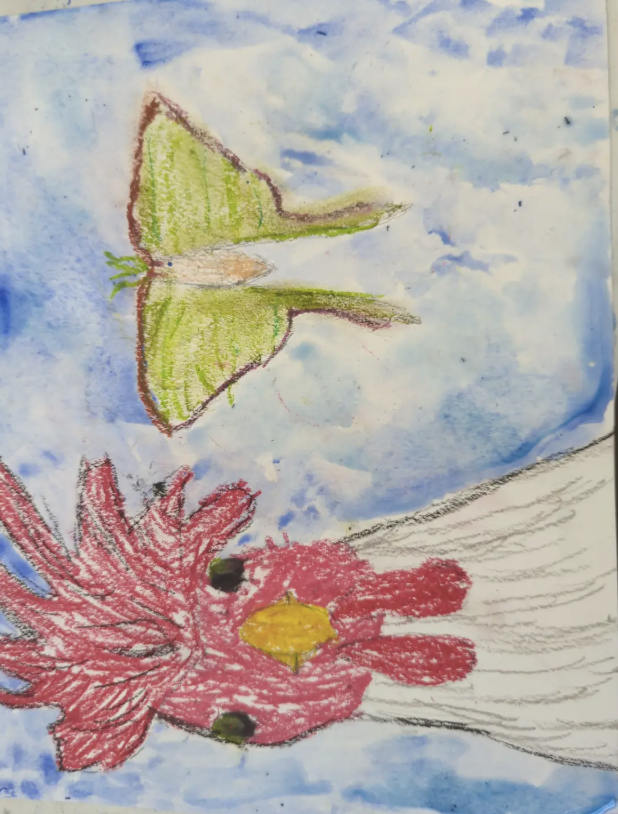
In this Grade 5 & 6 Painting and Drawing class, students are invited into a living relationship with color, form, and the beauty of the natural world. Through a rhythm of alternating drawing and painting, the children experience both the flowing, expressive qualities of color and the grounding, clarifying nature of line and form.
We will work with watercolor, watercolor pencil, gouache, colored pencil, and charcoal, each medium offering its own mood and lesson. Lessons arise from the seasons, careful observation, and from the students themselves. We will learn to see more deeply - how light meets shadow, how color shifts and breathes, and how form emerges from careful attention.
These artistic efforts seek to engage the whole child - nurturing not only artistic skill, but also patience, presence, and a growing capacity for inner and outer perception. In this way, art becomes not only something we create, but something we come into relationship with.
Theatre & Speech

In Lotus & Ivy’s Theatre and Speech Arts classes, students explore the living power of story, spoken word, imagination, and dramatic play. Through characterization, movement, voice, Rudolf Steiner-inspired speech exercises and dramatic gestures, and ensemble work, students learn to bring literature and characters to life.
This program blends foundational acting skills with creative speech arts. Students work with articulation, diction, rhythm, tone, prosody, and breath, while also developing confidence, presence, imagination, and expressive communication.
Speech and drama act as a bridge that helps us cross from one inner world to another. Through creative speech and drama, students practice listening, turn-taking, collaboration, emotional expression, and awareness of how their voice and presence affect others. In this way, the class supports social-emotional intelligence, empathy, and connection.
Main Lesson themes, seasonal imagery, poetry, classical and modern stories, and age-appropriate dramatic texts are woven into the curriculum meeting the developmental needs of each class.
Even in a virtual setting, making friends and building an ensemble is the heart of what we do! With theater games, partner and small group work, choral speaking, and shared play we create a joyful, tight-knit community built on creativity and laughter!
No prior theater or speech experience is needed. Students are encouraged to participate at their own comfort level as they grow.
In Grades 4–5, students sharpen their theater and speech skills through character development, expressive movement, and ensemble work. Using fun storytelling and scene work, students bring characters to life using their ultimate tool kit: voice, body, and imagination.
What We’ll Explore:
Character Development: Discover how characters move, react, feel and relate to others.
Voice: Build upon skills in articulation, fluency, and understanding of general language structure.
Movement: Experience rhythm and develop stage presence while exploring how posture and gestures reveal a character’s true feelings.
Storytelling & Scene Work: Practice turning text into action, with opportunities for scene-sharing and performances.
Ensemble & Teamwork: Cultivate courage, flexibility, responsibility, and creative problem-solving by collaborating with peers
Classes meet weekly for 18 weeks, except during school-wide breaks. Throughout the semester, there will be class demonstrations or sharing in which families are invited to witness the students’ work.
Please note: This artistic and educational arts course does not replace specialized speech-language pathology or clinical speech therapy.
Cooking
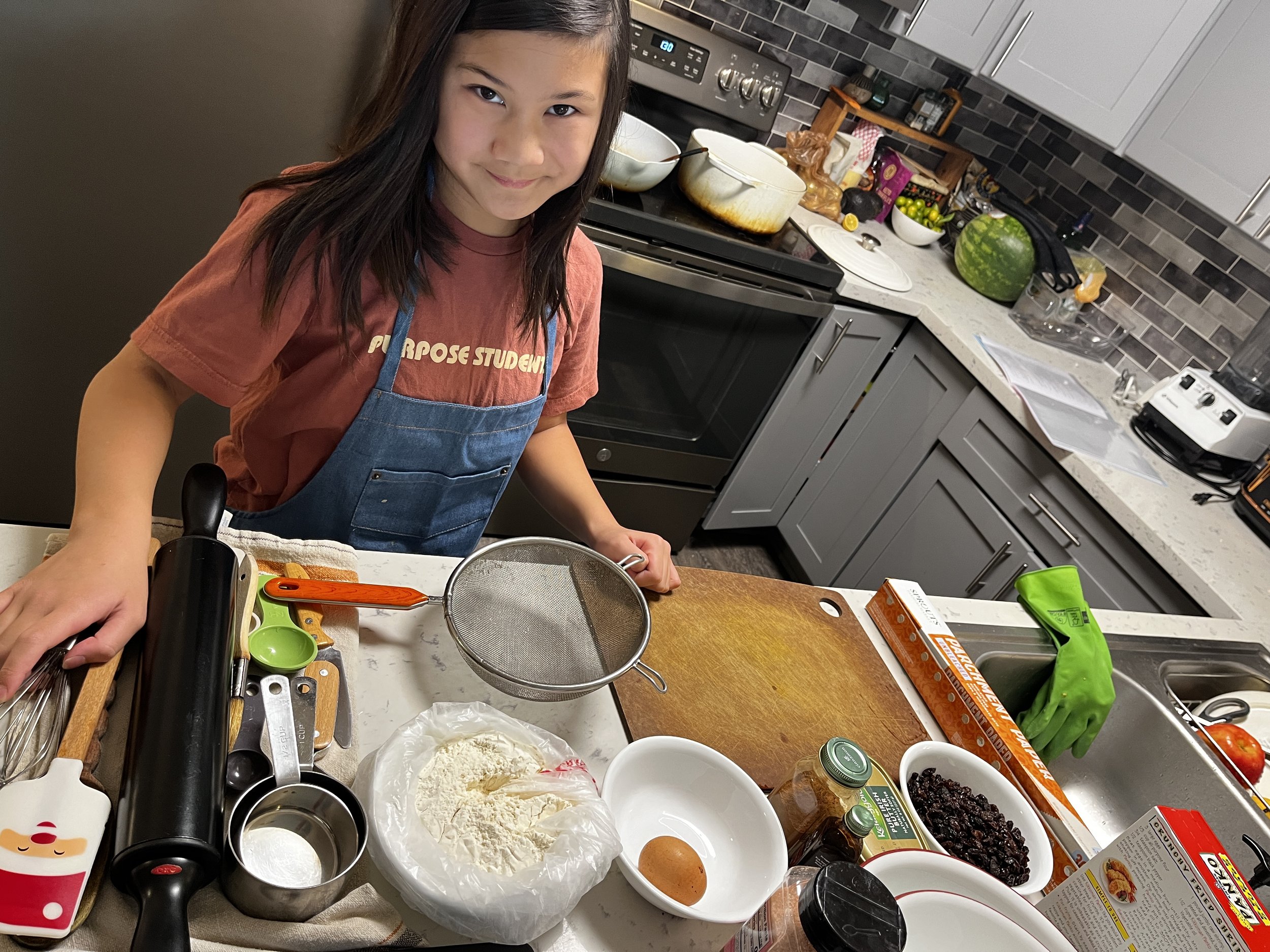
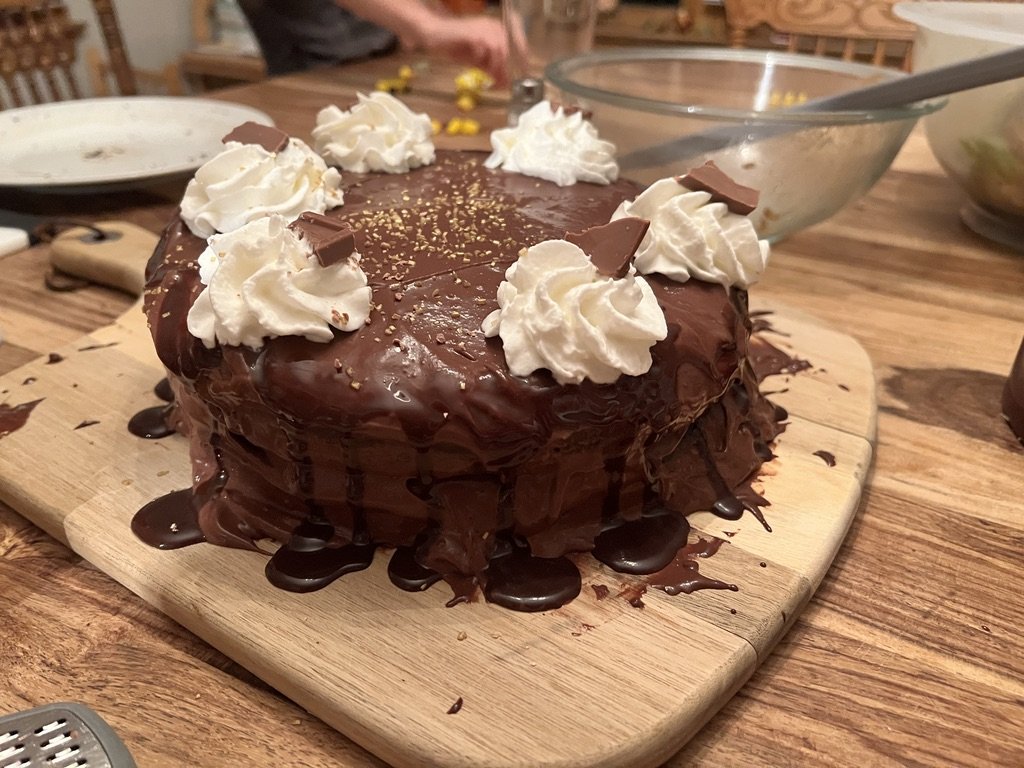
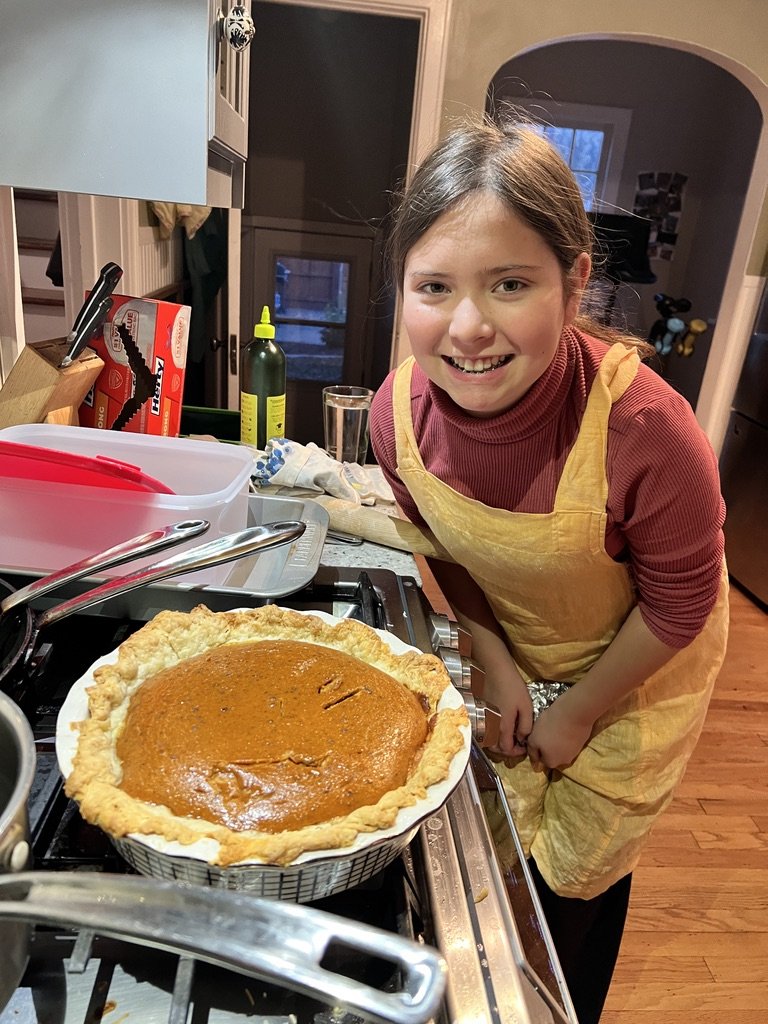
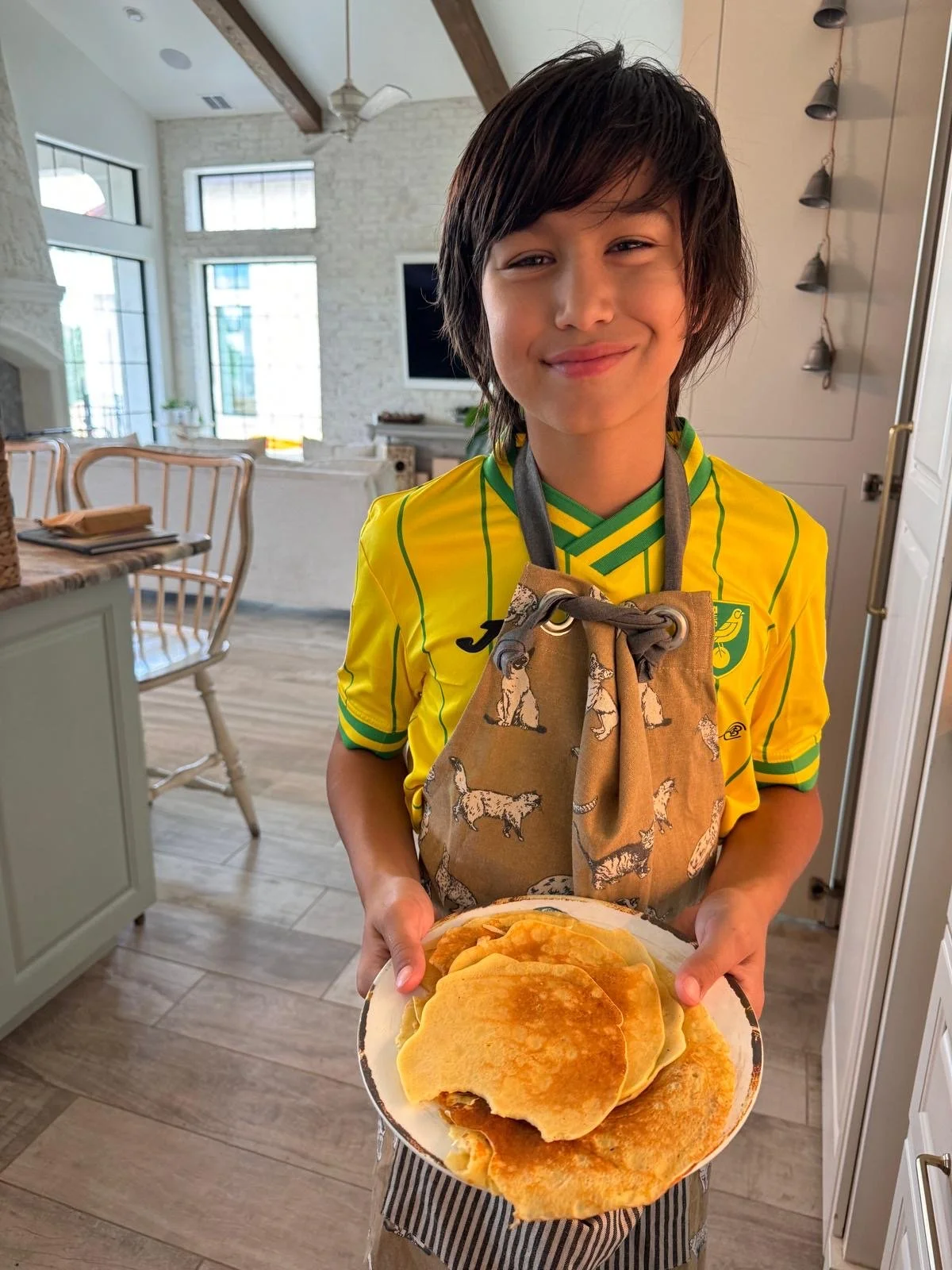
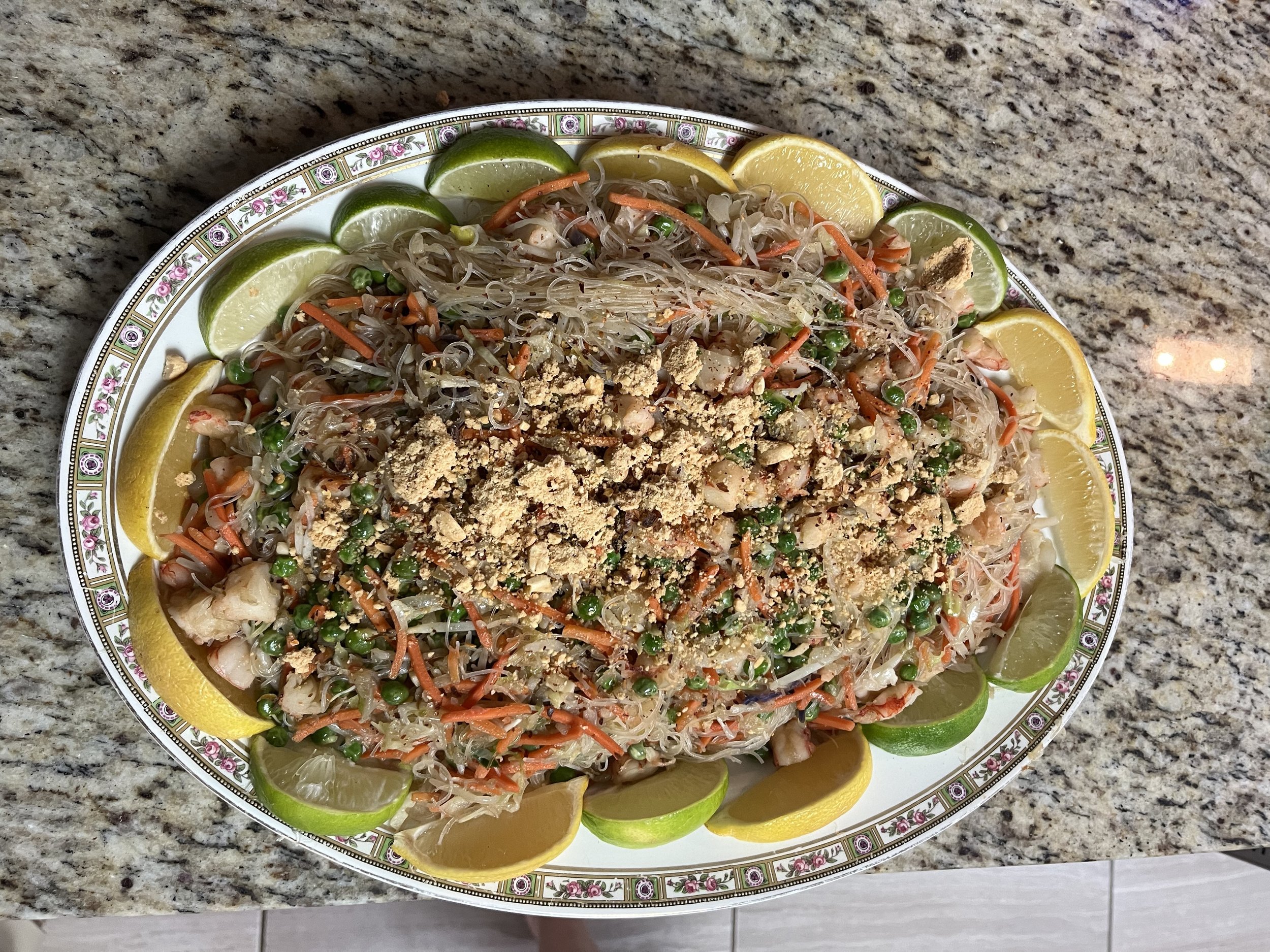


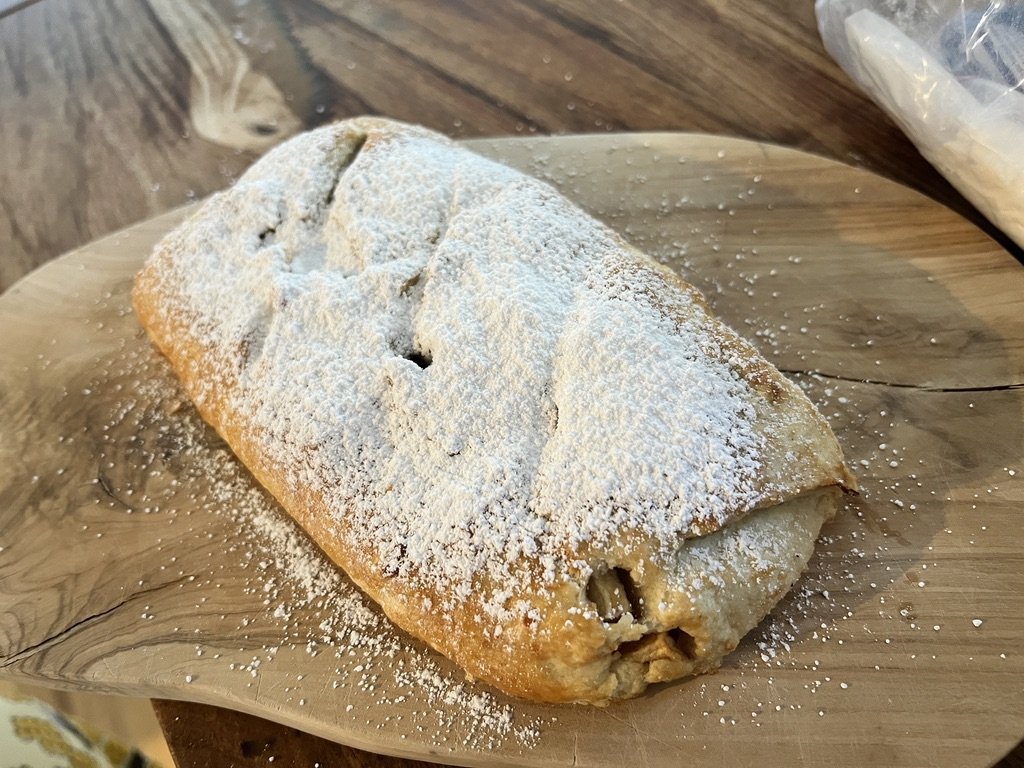
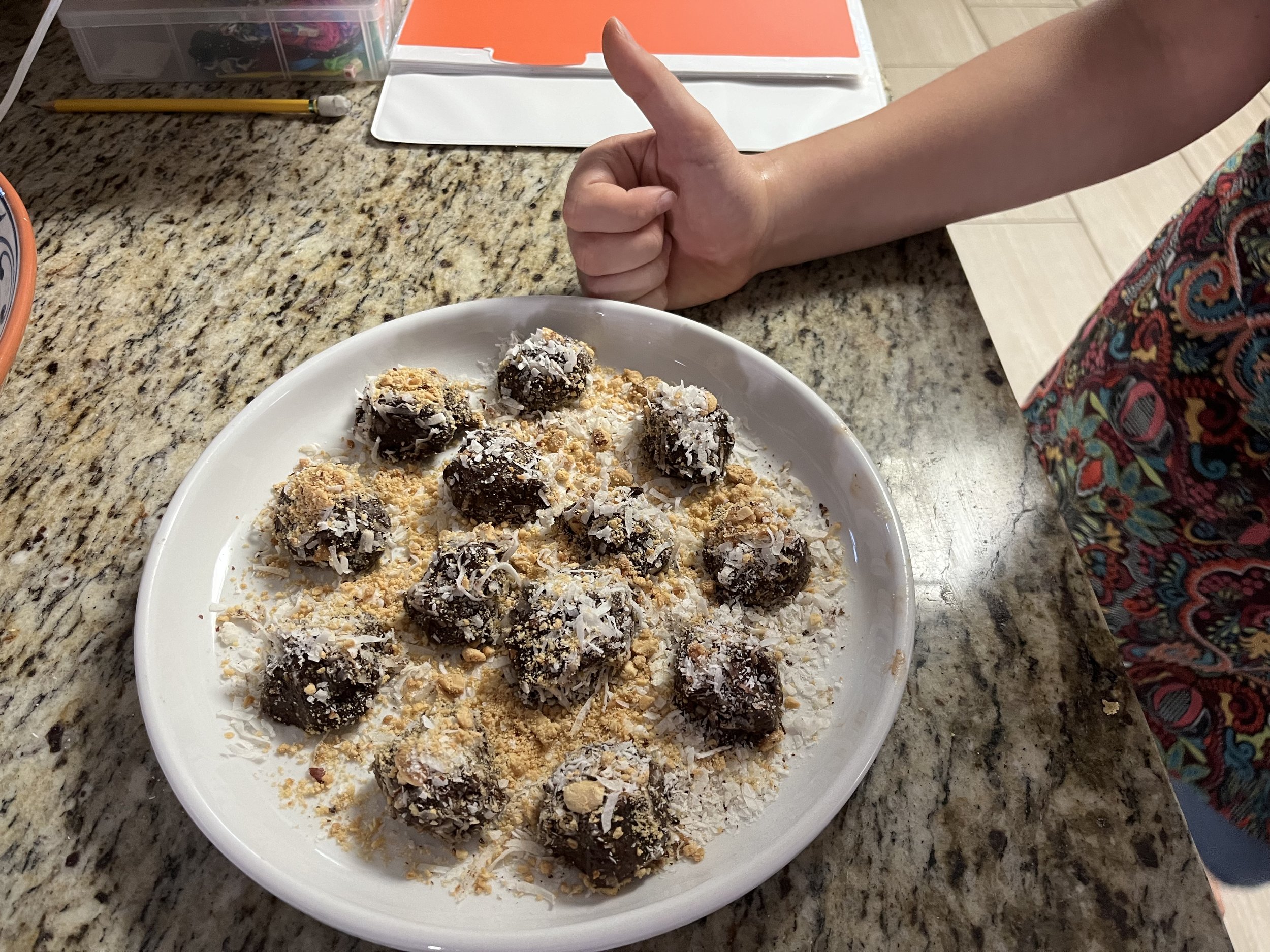
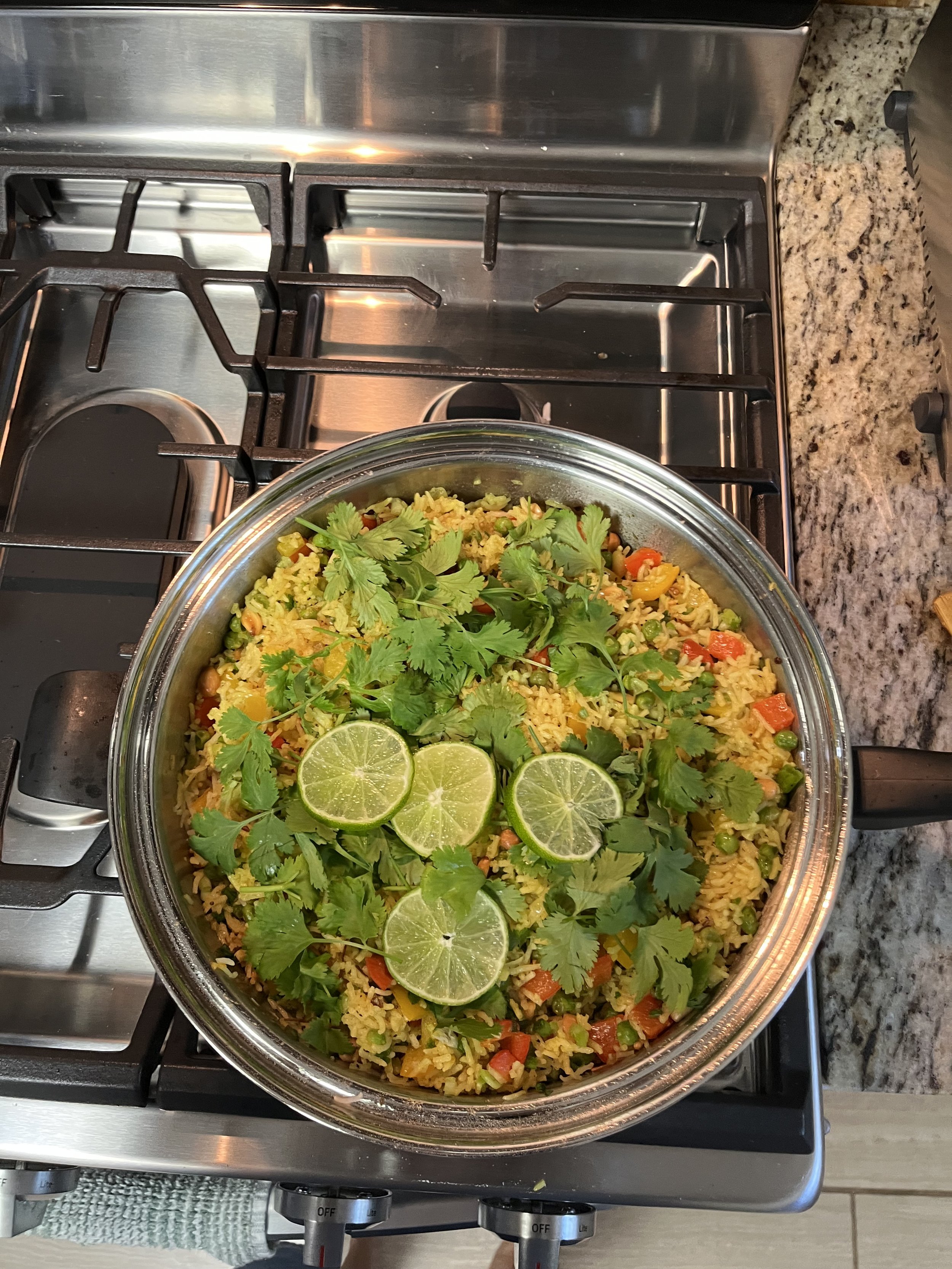
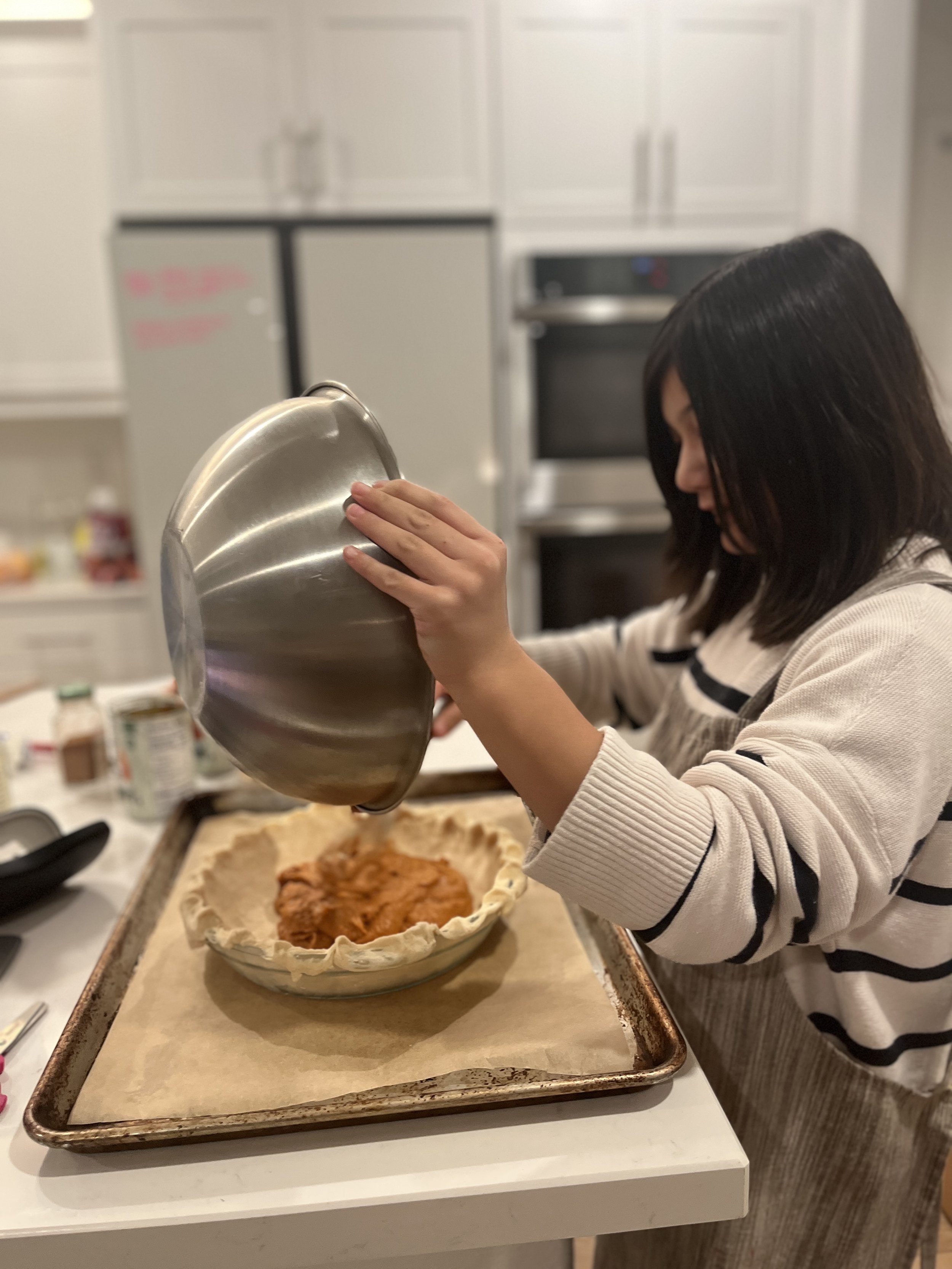



Encouraging children to help prepare healthy meals for their families is an excellent way to teach them essential life skills. They gain a deeper understanding of the effort and time required to create tasty dishes and develop a stronger connection to the ingredients they use. This connection often makes children more open to trying foods with new flavors and textures. By expanding their palate, they can develop healthy eating habits that benefit them for life. By encouraging independence and instilling competence, children will gain the confidence to make any recipe they discover and adapt recipes to suit their tastes. The sense of accomplishment that comes from feeding loved ones can also lead to self-confidence in other areas of life.
Anticipated Recipe List:
(Recipes are subject to change according to dietary restrictions and accommodations needed within the class.)
Swedish Pancakes
Mediterranean Hummus Veggie Wraps (Greece)
Apple Strudel (Germany)
Design Your Own Taco/Burrito Bar (Mexico)
Healthy Vegan Russian Tea Cakes
Indian Lemon Rice and Mango Lassi
Pampoenkoekies (South African Pumpkin Muffins)
Homemade Pizza (Italy)
Rozijnenbrood (Dutch Raisin Bread)
Chinese Egg Drop Soup with Wontons
Brigadeiro (Brazilian Chocolate Caramel Balls)
Gyoza Dumplings (Japanese Potstickers)
Cranberry Hootycreeks Jar Cookies for gift-giving (USA)
Bagels (Poland)
Omelets Around the World
Throughout the semester, the variety of recipes will reinforce technical skills, encourage innovative use of ingredients, and support interest in food culture. However, this class is about more than preparing tasty dishes.
Cooking offers hands-on experience with measuring, counting, fractions, tracking time, and temperature. For students in third grade and up, multiplication and division skills are needed to scale a recipe up or down. For students in fifth grade and up, additional math practice can come from calculating the cost of making a recipe vs. the price of a take-out version of a similar dish.
Following the step-by-step process-focused instructions of a recipe improves reading comprehension and shows that reading has practical benefits.
As foods are prepared, abstract concepts such as chemical reactions become relevant and understandable to children.
Cooking requires problem-solving and resilience to find solutions when a recipe does not come together as planned.
Many recipes we will prepare utilize basic ingredients that the student may already have in their pantry, demonstrating that home-cooked meals are manageable and can be fast and straightforward to prepare.
The kitchen is an excellent place for children to engage their senses experientially. They can knead, toss, pour, smell, chop, feel, and taste foods, all while having fun and learning without even realizing it.
Students will be encouraged to flavor dishes with herbs and spices and challenged to try their own variations, customizing recipes to suit their flavor and dietary preferences.
Cooking can teach children responsibility as they learn specific tasks to contribute to meal preparation and cleanup.
Acquiring ingredients from the grocery store, farmer’s market, or even harvesting their own herbs, fruits, and vegetables helps children understand where the ingredients that make up their favorite meals are sourced. Purchasing fresh, locally grown ingredients supports farmers in your area.
Making a grocery list before shopping helps a child learn about planning and making informed choices about healthy foods. Choosing whole-food ingredients reduces packaging waste and instills the values of environmental consciousness.
Preparing recipes from other countries allows children to experience new flavors and textures. This exposure to diverse cuisines opens a child’s mind to different cultures, offers a geography lesson, and promotes awareness, understanding, and appreciation of culinary traditions and practices worldwide. For the Cooking 5-8 class: Each week, students will be encouraged to research two new facts about the recipe’s country of origin to share with the class.
Cooking allows children to learn more about their own heritage and family traditions through treasured recipes passed down through the generations.
Circus Arts & Movement
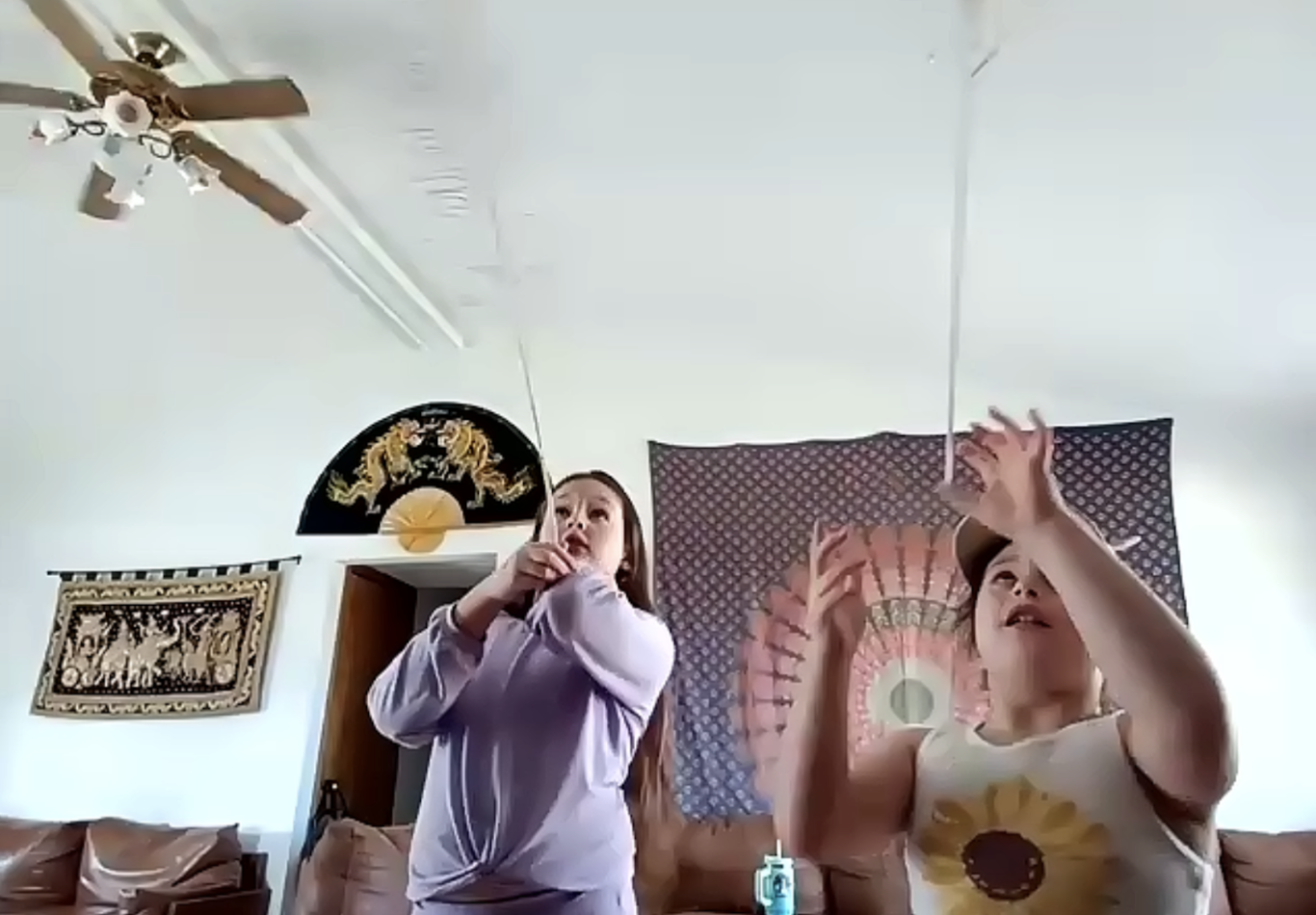

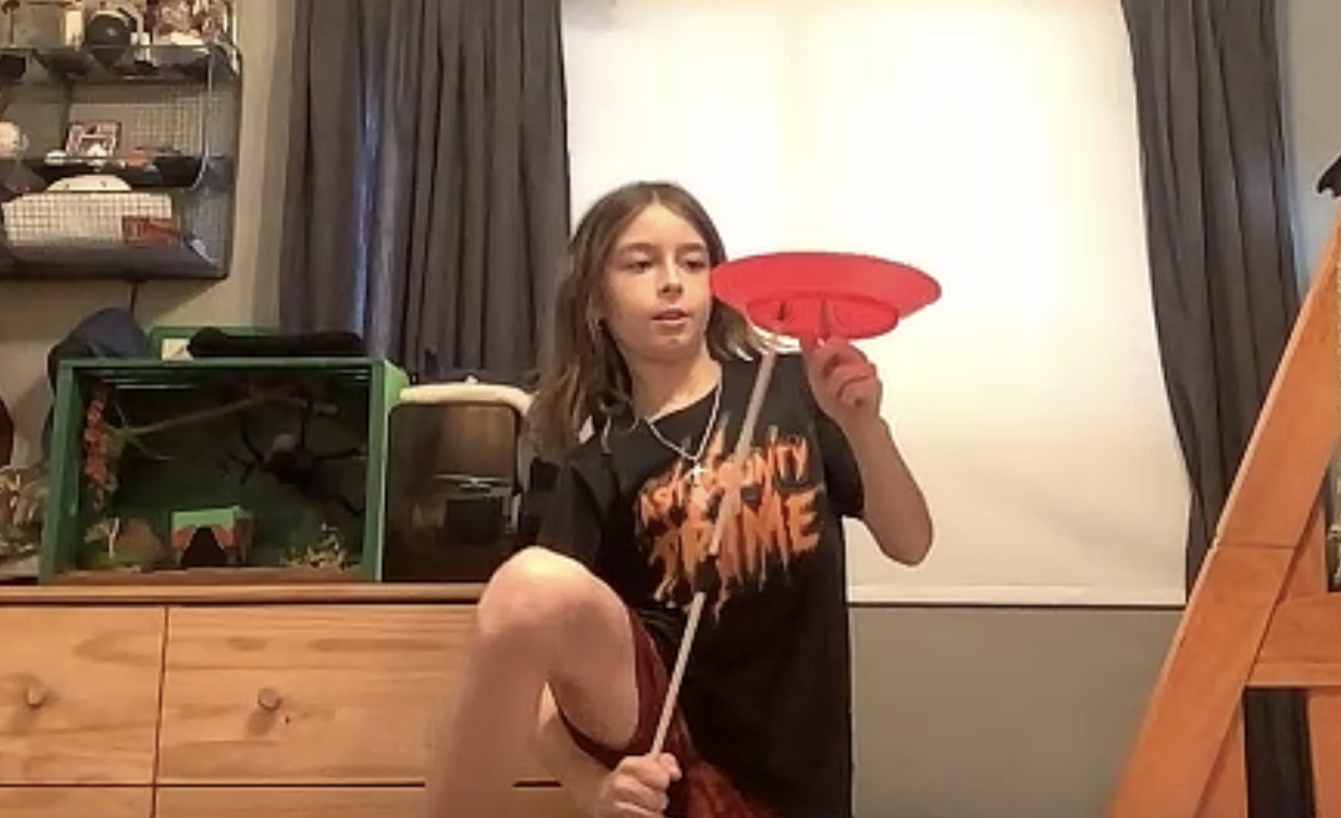
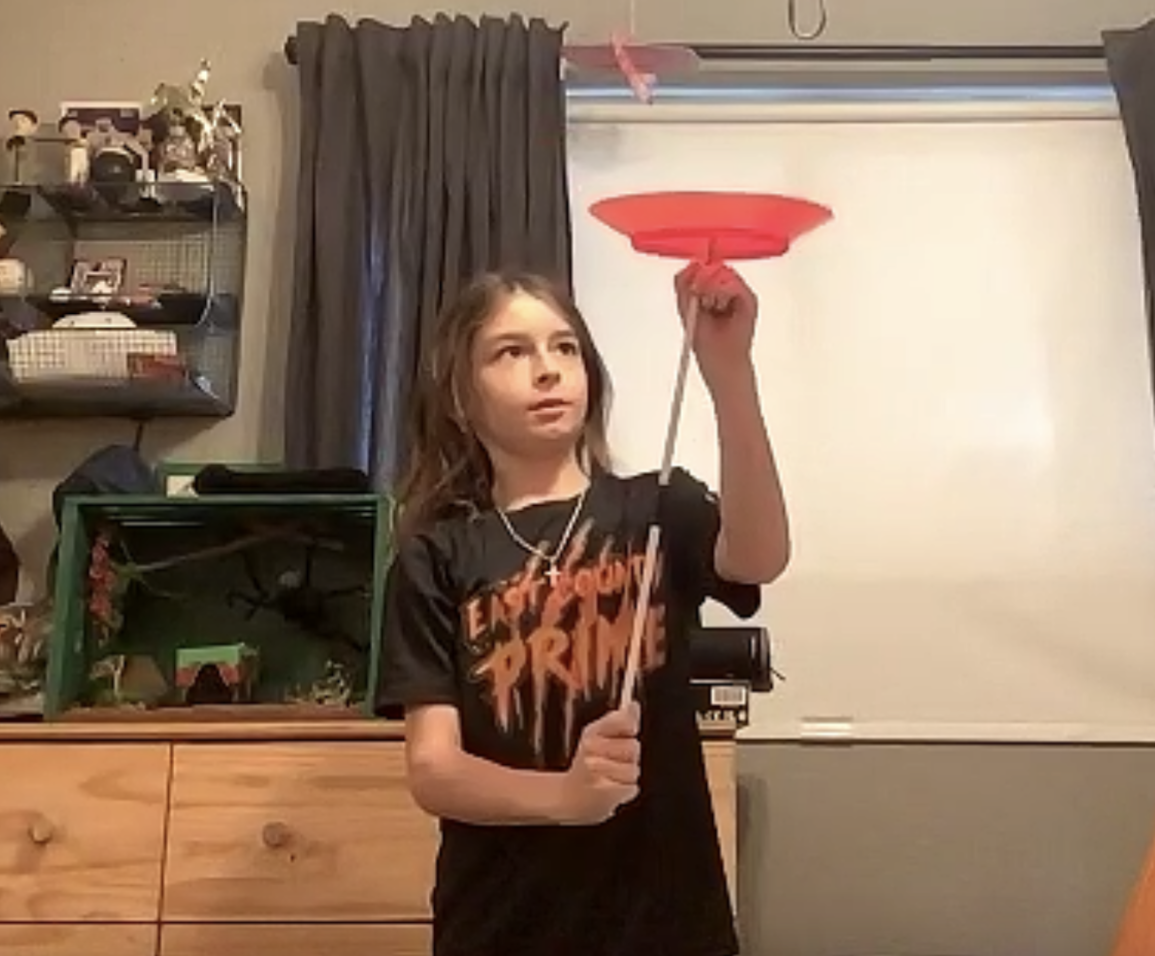
Classes will begin with a fun and challenging opening to get everyone up and moving. Then we will have a challenge section of class to develop balance, strength and coordination. This will be done through games and exercises. Moving into circus skills, the class will explore clowning and theatrical movement. Circus skills will include balancing, juggling, and plate spinning.
Students will learn to present their skills in Circus and theatrical styles. Social interactions will be part of the work, and focus put on students connecting and having fun. There will be a cool down and reflection to close class.
Eurythmy-Inspired Movement (Semester 2)
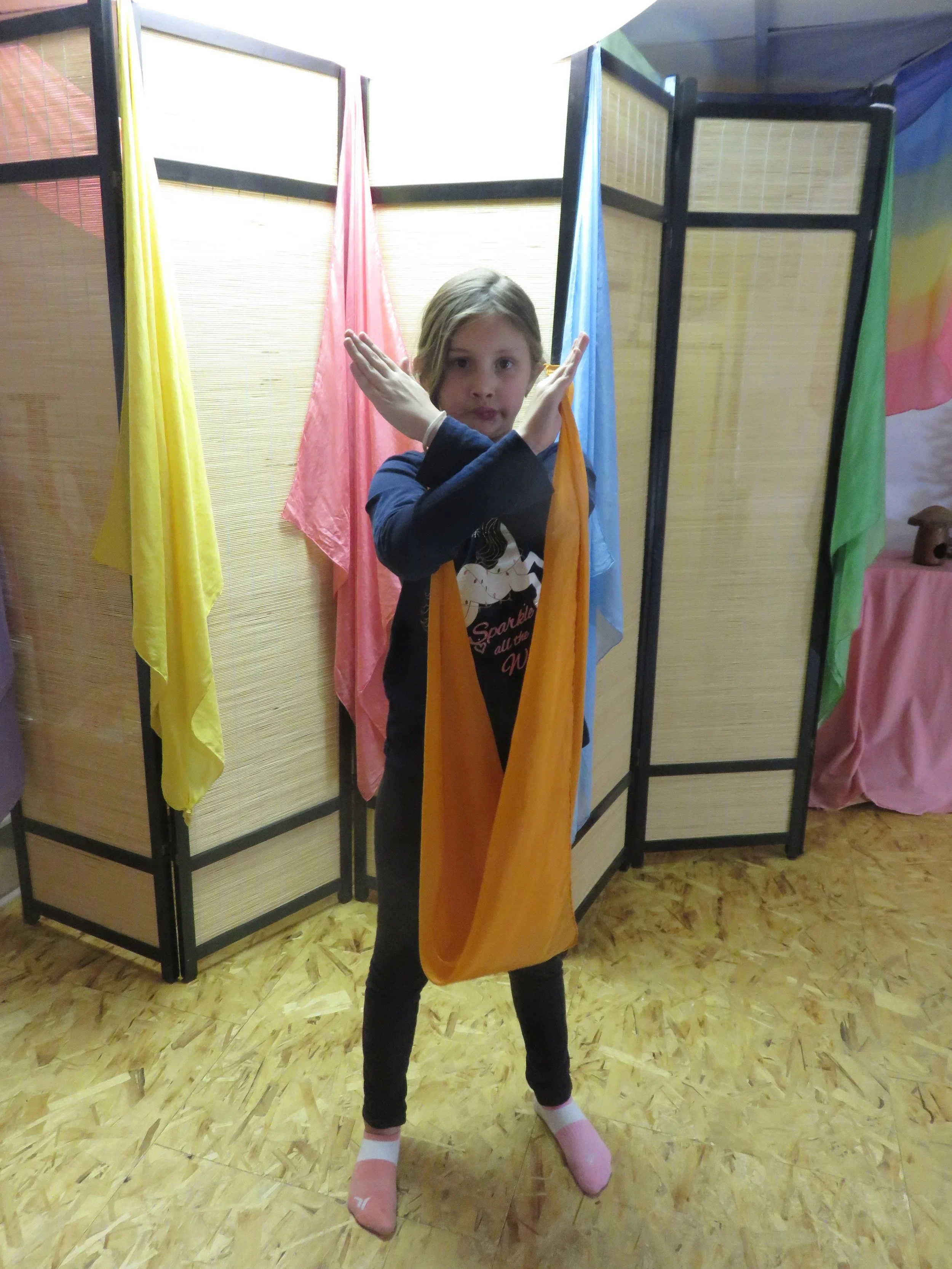
In Lotus & Ivy’s Eurythmy classes, students explore the living power of movement, poetry, and music. By blending harmonious group movement with individual choreography, students bring 5th and 6th-grade curriculum concepts to life through gesture, spatial awareness, and artistic expression.
Each session follows a thoughtful rhythm—beginning with an opening to center and set the tone, moving into warm-up exercises, diving into main musical and spoken activities along with written work, and concluding with a mindful reflection and closing.
Main Lesson themes, poetry, and artistic elements are woven into the curriculum to support the developmental needs of each class. Even in a virtual setting, building a joyful, connected community of learners is at the heart of what we do as we move and create together!
No prior eurythmy experience is needed. Students are encouraged to participate at their own comfort level as they grow.
What We’ll Explore:
Harmonious Movement: Experience rhythm, spatial form, and balance while developing physical presence and coordination.
Poetry & Music: Bring spoken word and musical elements to life through active physical expression and artistic flow.
Individual & Ensemble Work: Cultivate focus, collaboration, and spatial awareness by moving together in harmony and exploring independent choreography.
Reflective Artistry: Integrate physical movement with written work, color, and reflection to deepen understanding.
Classes meet weekly, except during school-wide breaks. Throughout the semester, there will be class demonstrations or sharing in which families are invited to witness the students’ work.