
Handwork: Embroidery & Cross-Stitch

Handwork is a lifelong skill from which one can create beautiful and useful items while benefitting in deep and lasting ways. Creating beauty in perfectly imperfect handwork is a fundamental element of the Waldorf curriculum throughout the grades and informs our daily living in surprising and delightful ways.
Through practical and meaningful handwork activities, younger students develop strength and coordination in their hands and fingers. In addition, improved fine motor skills build healthy foundations in students for writing, drawing, maths and artistic work in grade school.
Learning to skillfully use their hands not only develops the child’s sense of self-reliance and confidence, but hand skills also awaken creative powers, promote a sense of reverence for craftsmanship, and instills respect for the creative artisans of the world.
Handwork is an important component of development which aids the child in acquiring the following benefits, traits and skills:
patience and perseverance to work on projects which require weeks to complete
expanded skill sets involving in-depth experimentation with techniques and materials over time
enlivening of the senses and nourishment for the soul through use of natural materials and colors
rhythmicity of repeated movements which creates calm for the nervous system as an antidote to anxiety and over-thinking
confidence and independence in creating beautiful and useful items
creating new neural pathways to the brain which strengthens the brain-body connection
problem-solving skills which builds future decision-making abilities
goal orientation based on understandable outcomes from immediate, step-by-step, tangible results
strengthening of soul forces - example: encouraging thinking in the dreamy child, feeling in the overly intellectual child, and activity in the weak-willed child
“The density of nerve endings in our fingertips is enormous. Their discrimination is almost as good as that of our eyes. If we don’t use our fingers in childhood and youth, we will become ‘finger-blind,’ and this rich network of nerves will be impoverished which represents a huge loss to the brain and thwarts the individual’s overall development.“ - Matti Bergstrom, Neurophysiologist
Embroidery & Cross-Stitch
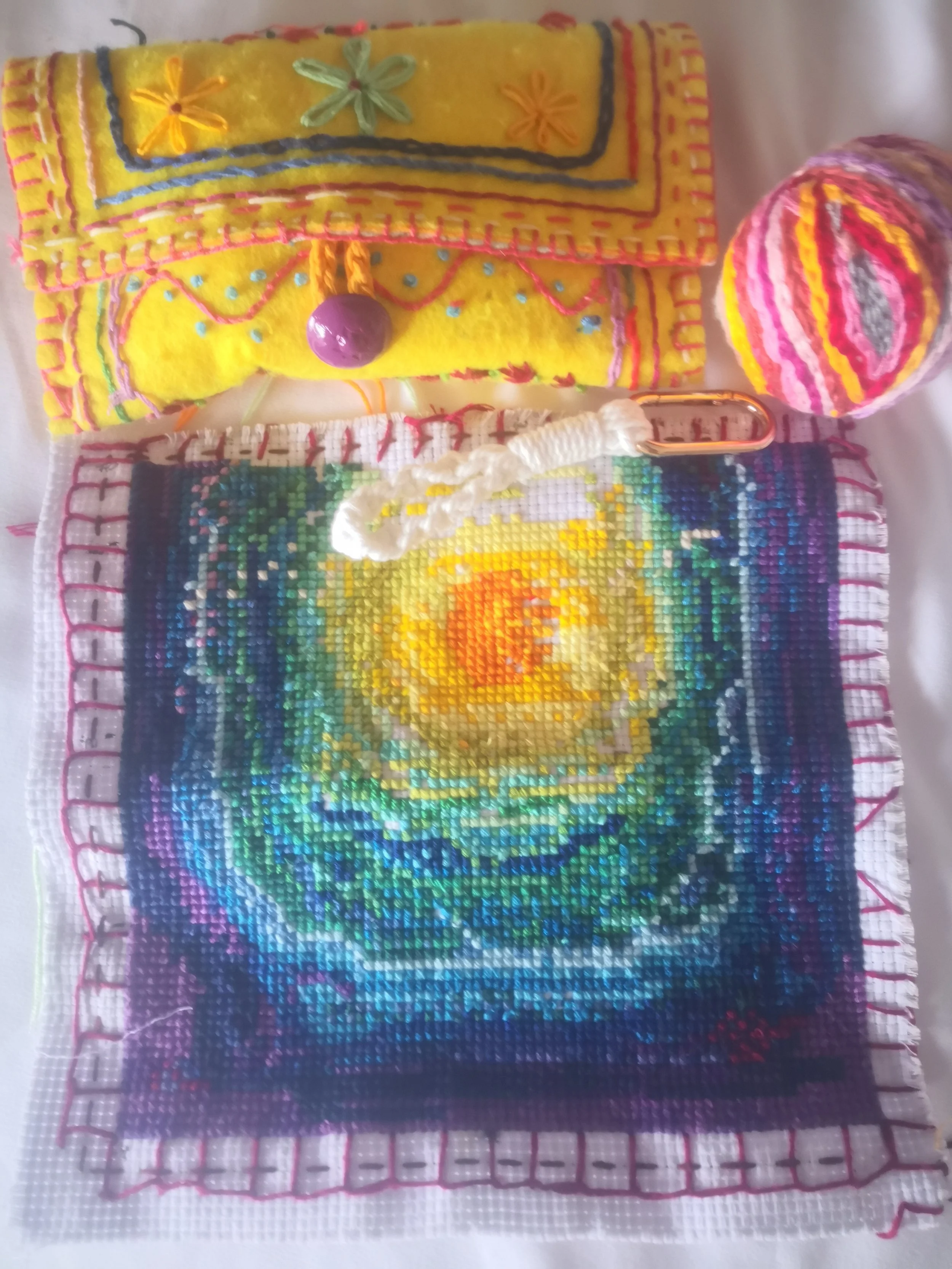
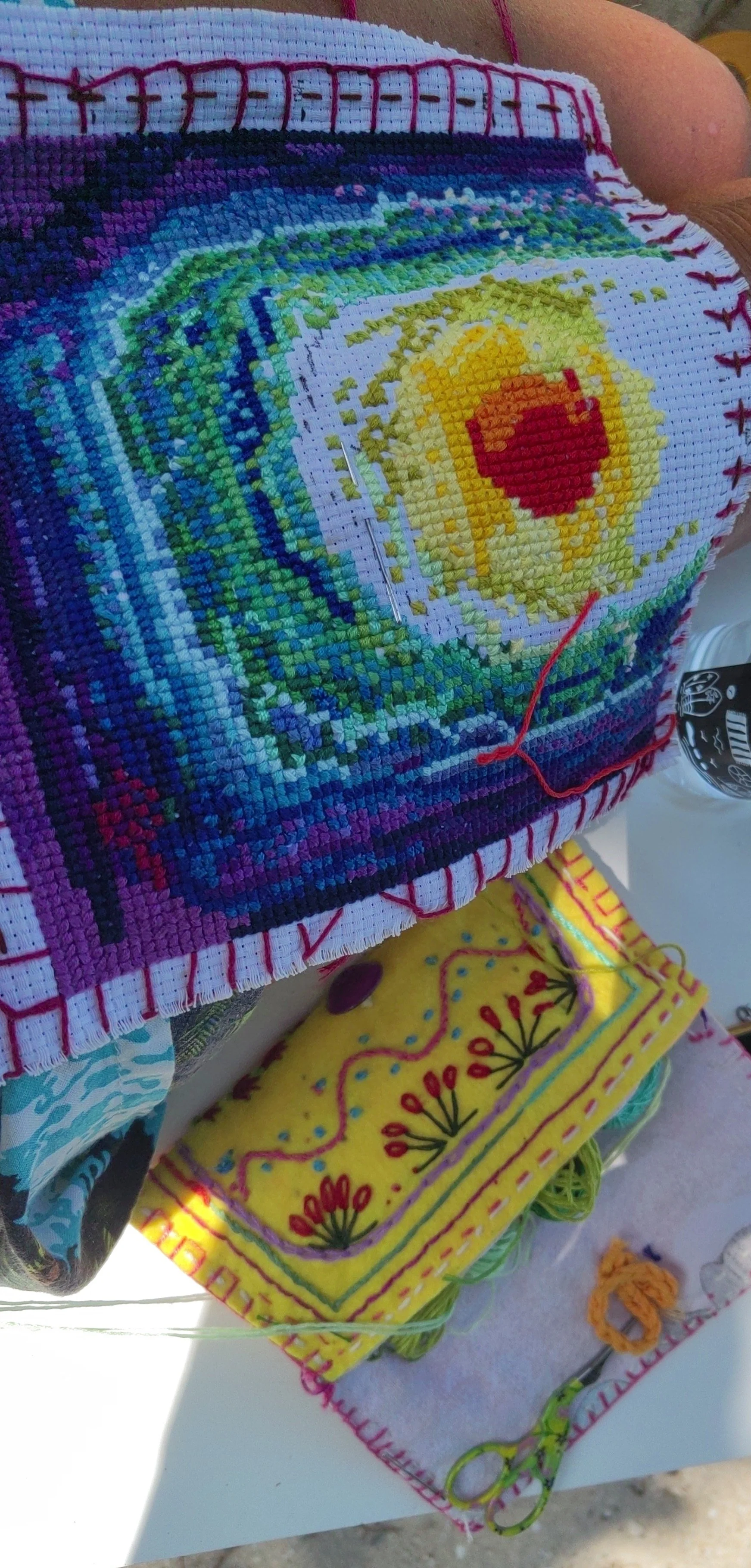
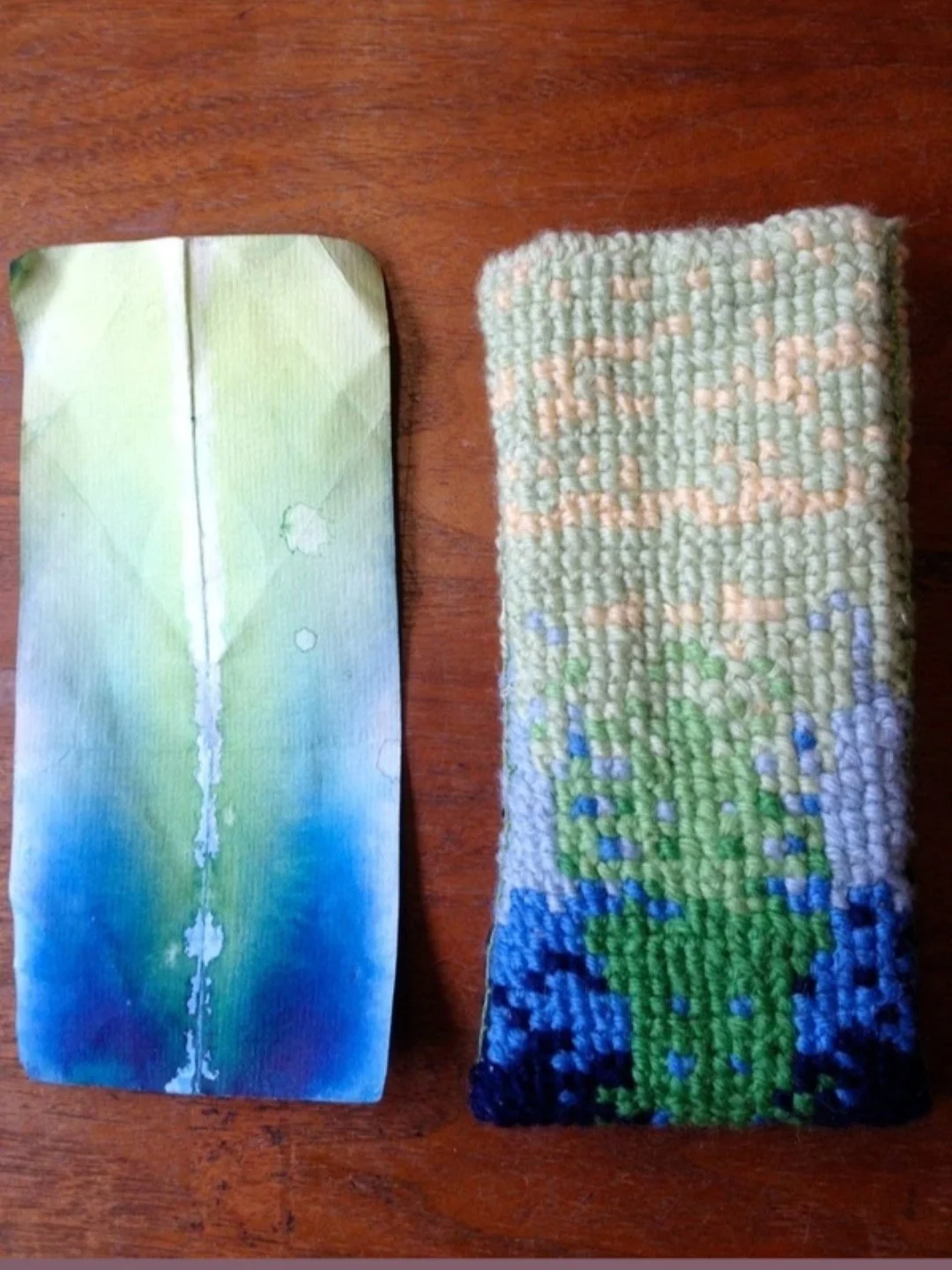
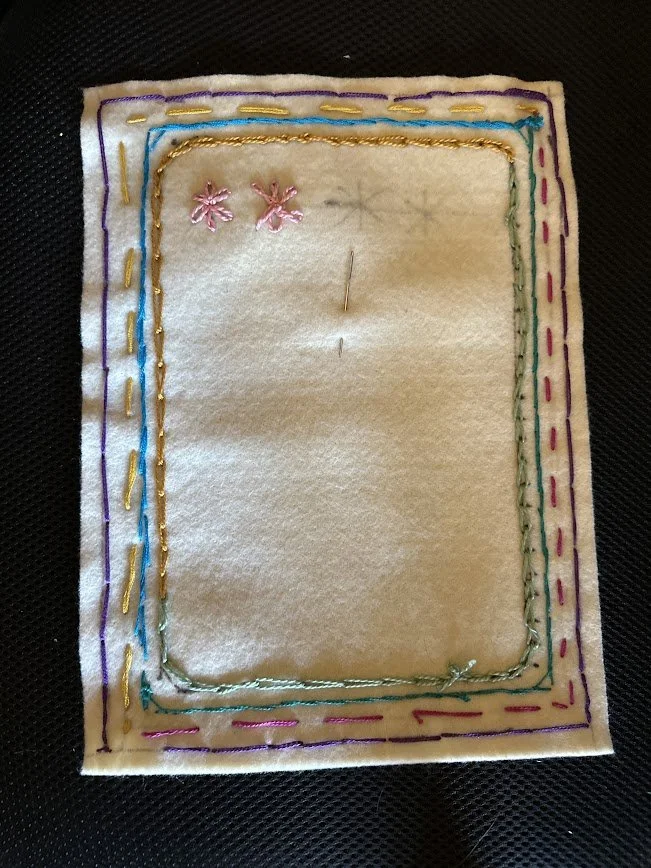
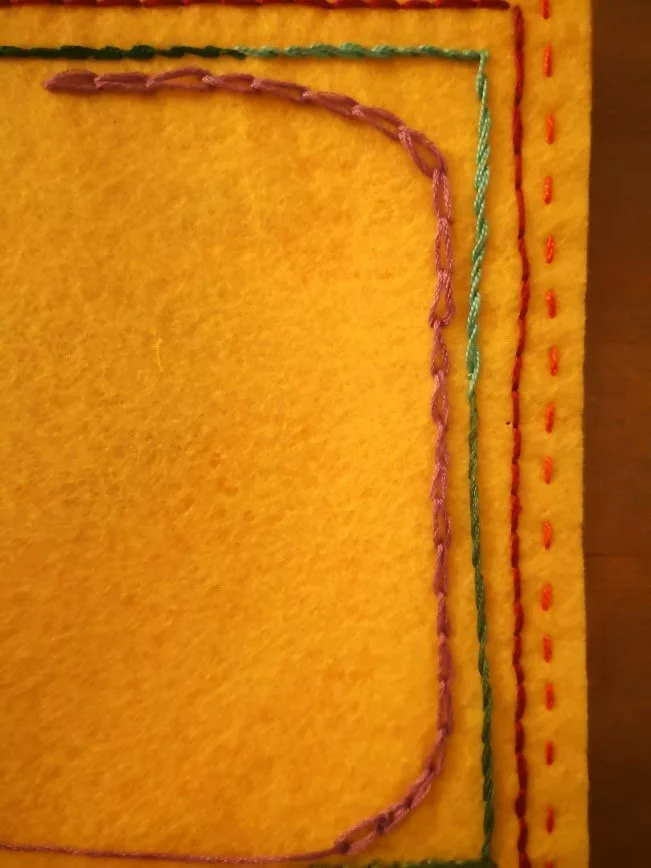
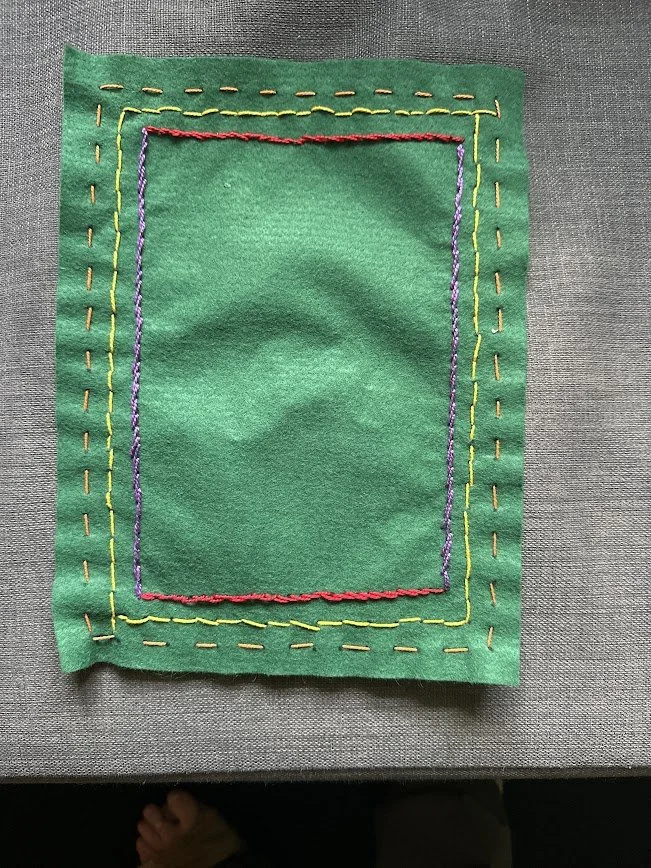
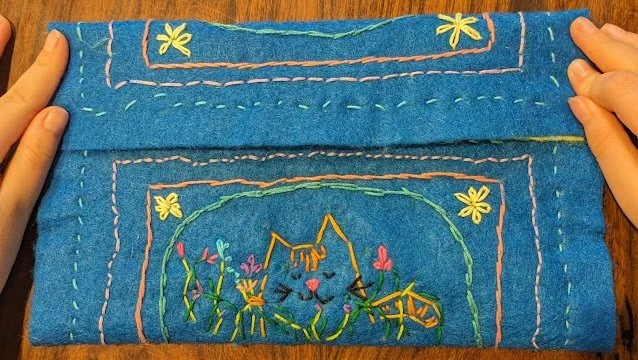
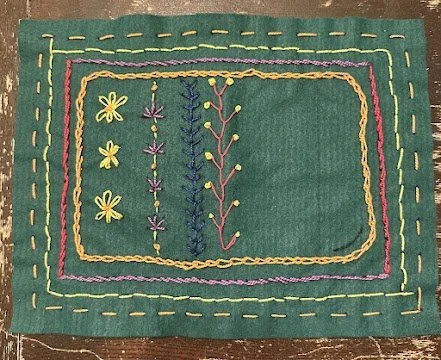
Third and fourth grade students will learn the basics of sewing learning to do the running stitch, back-stitch, whip-stitch, blanket stitch and increase their knowledge of embroidery stitches including stitches such as the lazy daisy, satin stitch and more according to the student's curiosities. Projects could include a beautiful needle book, a hand-embroidered candle mat or sewing place mat and more. Students will also be introduced to cross-stitch and will be invited to make a cross-stitch needle book, a pencil case or a cross-stitch pouch for their sunglasses or glasses.
Diatonic Flute
Playing a flute or recorder is not only fun and creative, it has many educational and health benefits as well. Engaging in breathwork is a very important part of singing and playing the flute/recorder. Breathing is essential in keeping the body regulated and oxygenated for optimal use of the body and brain. Learning to read musical notation creates and strengthens the neural pathways to the brain from sensory experience and paves the way for language acquisition and the understanding of math symbols and operations.
Establishing a whole-body experience of elements of music such as beat and rhythm affects the mind/body systems profoundly, bringing order and ensuring optimal functioning of our organs, our thoughts, our emotional life. It is well-known that music learning enhances skill acquisition in every other subject area of student learning. Singing and playing the flute/recorder also creates an inner vibration in the body that stimulates warmth, heart connection, empathy and creativity. Self-expression through the arts, especially through singing and making music provides students with creative ways to think and be as they shape their self-identity. Each class will be individualized for the experience of the group. For example, If one child already reads music, they will receive additional challenges while the rest of the class learns music notation.
Learning to play the Choroi Diatonic flute is a long tradition in Waldorf Schools and age-appropriate for children of 9-10 years old. The class will sing, play songs, invent new songs and learn symbols for each note to begin understanding musical notation. Whole-body movement exercises along with playing rhythm sticks, use of bean bags, and creative expression in color will be some of the ways in which we will engage in our learning of the music. No previous experience in musical instruction is necessary.
(The Diatonic Flute is also called a soprano flute or C flute.) We will be playing the instrument with Choroi fingering tuned to 440 Hz (Important information to have when ordering!) We have many musical adventures ahead as we learn basic music skills and how to play the flute!
Needle Felting & Practical Arts: Felted Friends of Forest, Field, & Sea


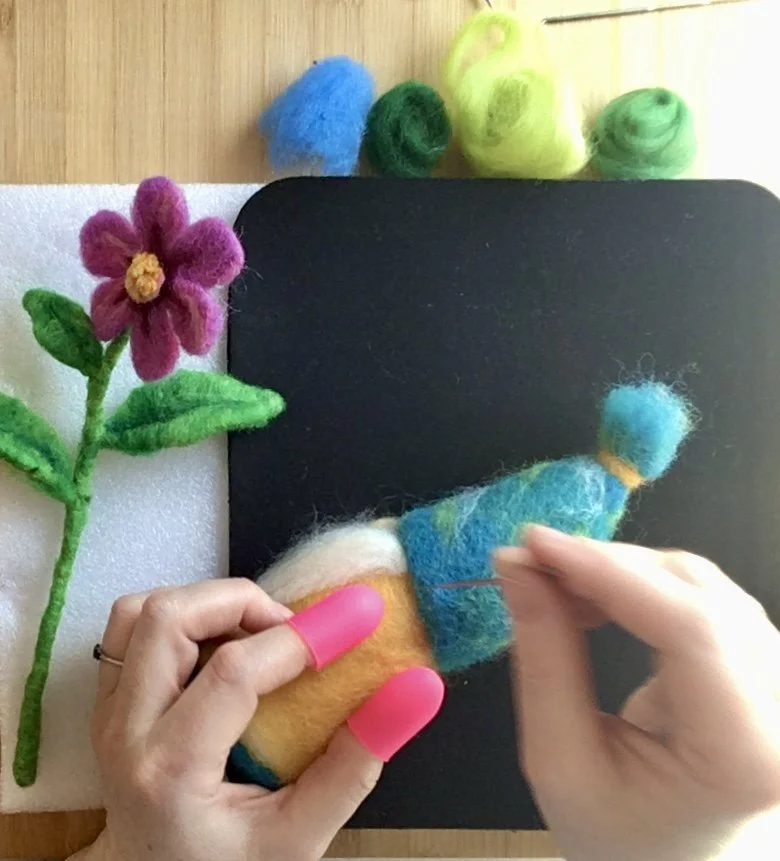


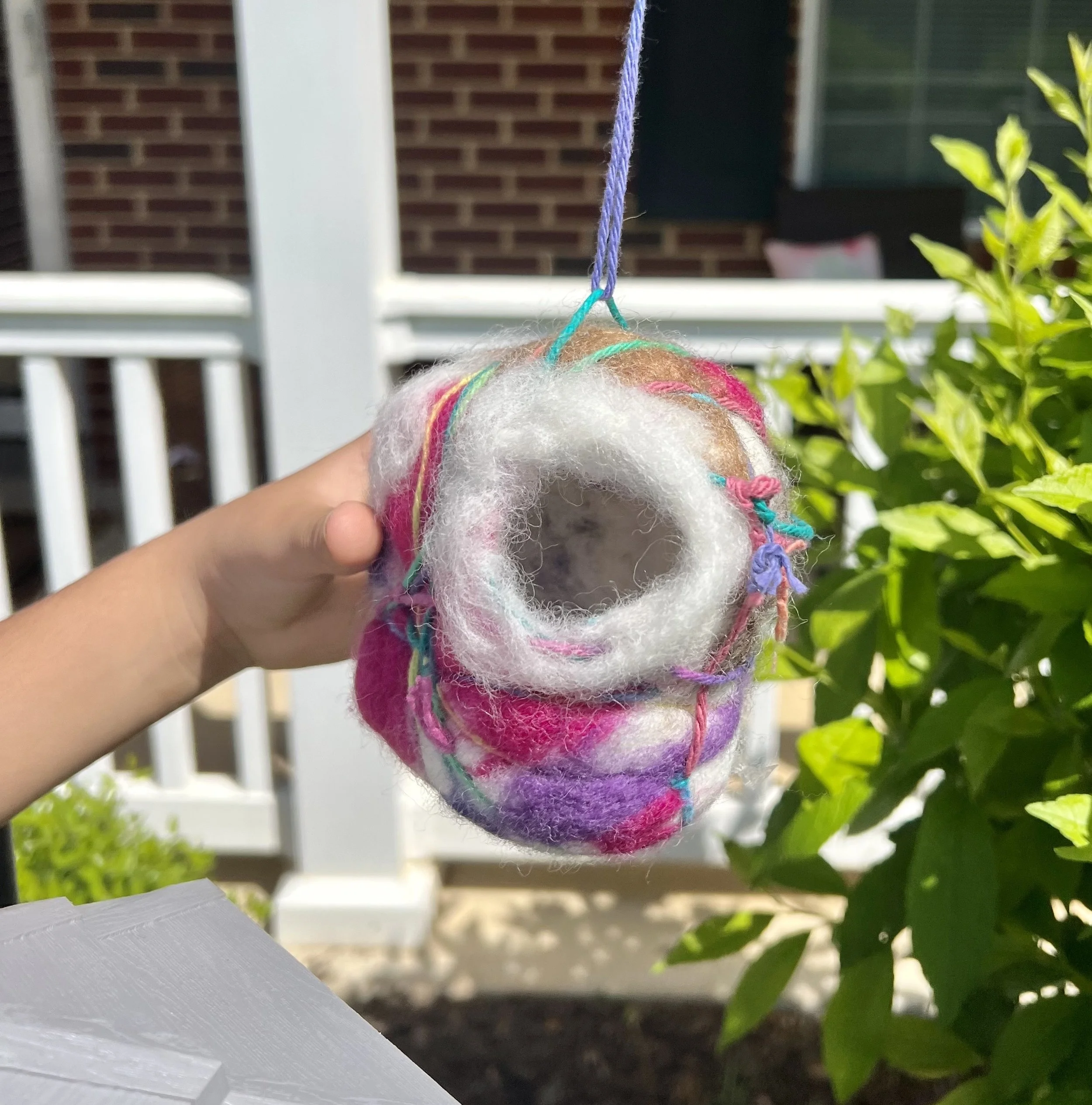


Felted Friends of Forest, Field, & Sea is a needle felting class in which students shape soft wool into form using gentle, repeated felting motions with a special needle, creating animals and creatures inspired by woodland, meadow, and ocean life. Projects are introduced in a gentle progression, allowing students to build skills and confidence over time. As the seasons change, the themes occasionally reflect seasonal festivals, helping to keep the work engaging and connected to the natural world. Alongside developing coordination and focus, students experience the quiet satisfaction of creating thoughtful, handcrafted pieces.
Theatre & Speech

In Lotus & Ivy’s Theatre and Speech Arts classes, students explore the living power of story, spoken word, imagination, and dramatic play. Through characterization, movement, voice, Rudolf Steiner-inspired speech exercises and dramatic gestures, and ensemble work, students learn to bring literature and characters to life.
This program blends foundational acting skills with creative speech arts. Students work with articulation, diction, rhythm, tone, prosody, and breath, while also developing confidence, presence, imagination, and expressive communication.
Speech and drama act as a bridge that helps us cross from one inner world to another. Through creative speech and drama, students practice listening, turn-taking, collaboration, emotional expression, and awareness of how their voice and presence affect others. In this way, the class supports social-emotional intelligence, empathy, and connection.
Main Lesson themes, seasonal imagery, poetry, classical and modern stories, and age-appropriate dramatic texts are woven into the curriculum meeting the developmental needs of each class.
Even in a virtual setting, making friends and building an ensemble is the heart of what we do! With theater games, partner and small group work, choral speaking, and shared play we create a joyful, tight-knit community built on creativity and laughter!
No prior theater or speech experience is needed. Students are encouraged to participate at their own comfort level as they grow.
In Grades 4–5, students sharpen their theater and speech skills through character development, expressive movement, and ensemble work. Using fun storytelling and scene work, students bring characters to life using their ultimate tool kit: voice, body, and imagination.
What We’ll Explore:
Character Development: Discover how characters move, react, feel and relate to others.
Voice: Build upon skills in articulation, fluency, and understanding of general language structure.
Movement: Experience rhythm and develop stage presence while exploring how posture and gestures reveal a character’s true feelings.
Storytelling & Scene Work: Practice turning text into action, with opportunities for scene-sharing and performances.
Ensemble & Teamwork: Cultivate courage, flexibility, responsibility, and creative problem-solving by collaborating with peers
Classes meet weekly for 18 weeks, except during school-wide breaks. Throughout the semester, there will be class demonstrations or sharing in which families are invited to witness the students’ work.
Please note: This artistic and educational arts course does not replace specialized speech-language pathology or clinical speech therapy.
Painting & Drawing


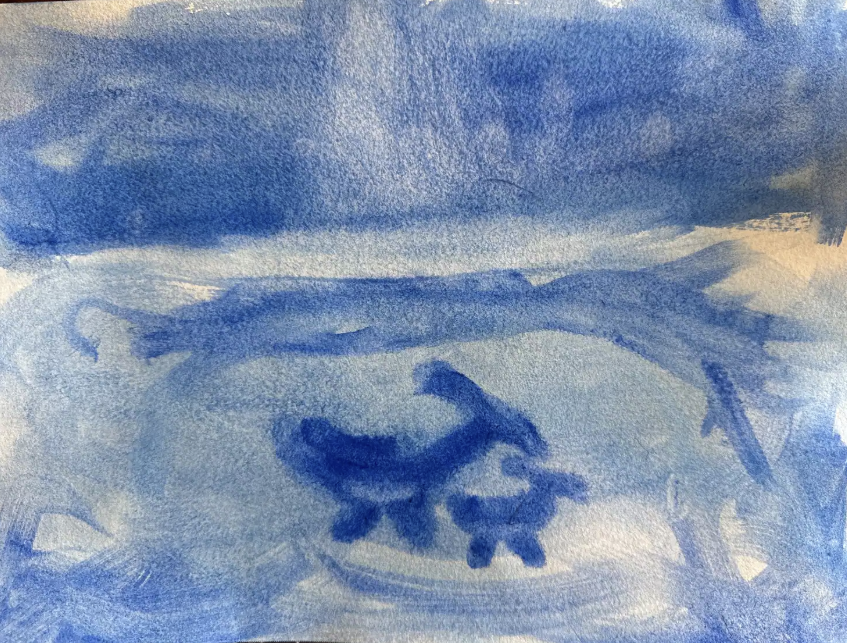


In this drawing and watercolor class, grades 3 and 4 students will hear stories that provide nourishment for their specific stage of development. These stories align with main lesson blocks for these grades, deepening their understanding through color and imagery.
Students will build core drawing skills through a Waldorf-inspired progression of form, texture, proportion, and light. Beginning with form drawing, learners strengthen hand-eye coordination and explore symmetry through fluid lines and patterns. As the year progresses, they develop techniques for texture, perspective, and shading—bringing animals, landscapes, and human figures to life. With a balance of creative expression and technical practice, students gain confidence, deepen their observation skills, and learn to represent the world with clarity and imagination.
Students’ painting compositions will reflect the earth’s richness, farming and botany, and the changing seasons. Exploration of form and flow will tie into geography, as we paint landscapes, rivers, and natural formations. Themes and colors of growth, warmth, and renewal will come to life as we paint together, fostering imagination and a deep connection to the natural world.
Students will learn to honor their inner artist with words of encouragement, kindness, and love as we work our way through meeting the primary colors, then secondary colors, and beyond. In working with wet-on-wet in the lower grades, we are focused on the colors and the process, not the outcome. We are calling on their super-sensible senses to hold the experiences of color and form—not just the basic senses, but also the senses of life, movement, balance, warmth, and thinking.
Wet-on-wet watercolor means that we will use liquid watercolor pigments and pre-soaked watercolor paper. These liquid pigments make the experience of painting very fluid. Color and form mix in beautiful, sometimes unpredictable ways. It is a wonderful way for the children to learn through direct creation and observation how colors are created. We will occasionally use plasticine to explore three-dimensional forms, as well.
We are not just making paintings and drawings; we are making artists, human beings able to see the world from multidimensional perspectives and who are free to create anew.
Cooking
Encouraging children to help prepare healthy meals for their families is an excellent way to teach them essential life skills. They gain a deeper understanding of the effort and time required to create tasty dishes and develop a stronger connection to the ingredients they use. This connection often makes children more open to trying foods with new flavors and textures. By expanding their palate, they can develop healthy eating habits that benefit them for life. By encouraging independence and instilling competence, children will gain the confidence to make any recipe they discover and adapt recipes to suit their tastes. The sense of accomplishment that comes from feeding loved ones can also lead to self-confidence in other areas of life.
Anticipated Recipe List:


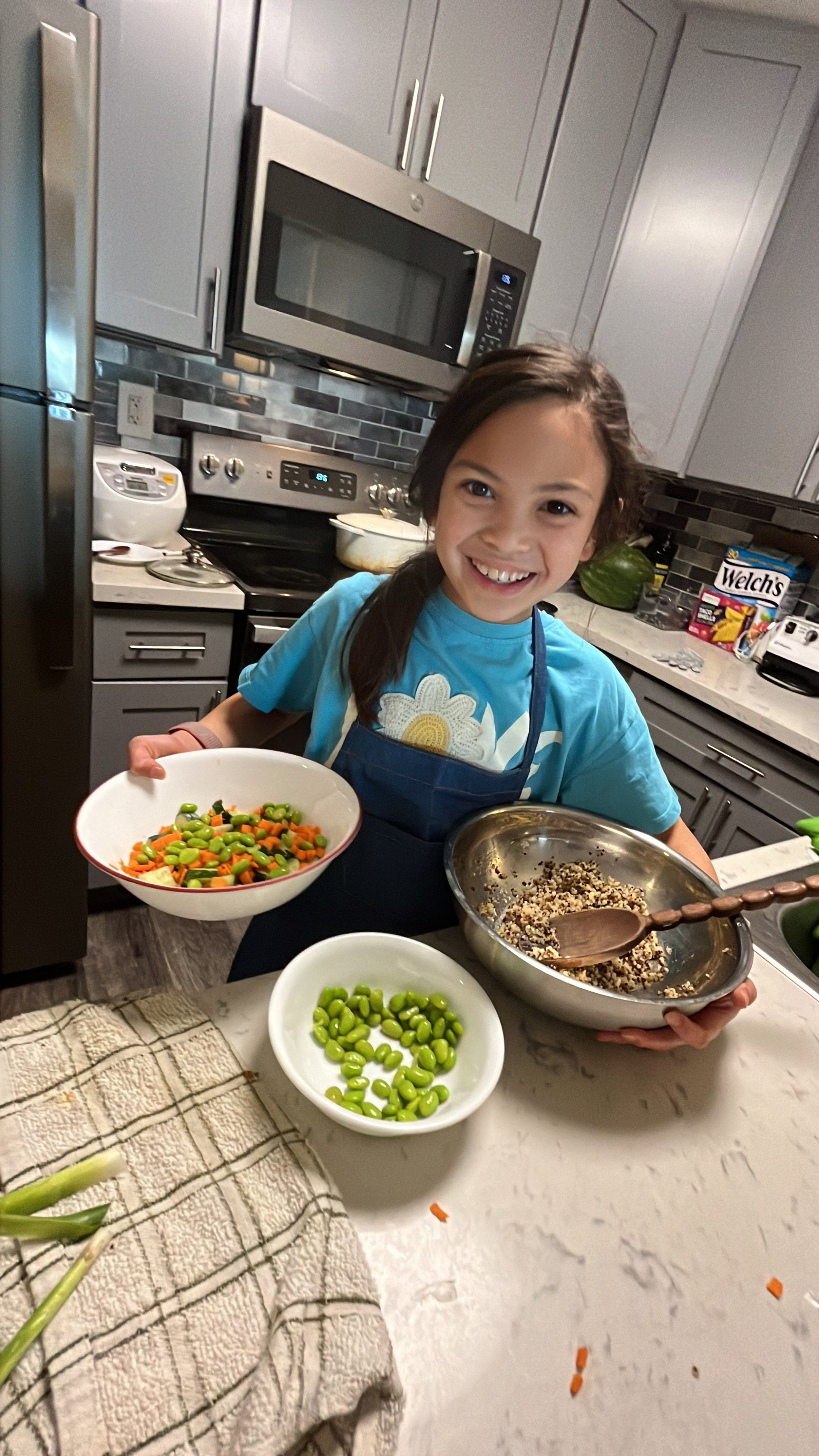
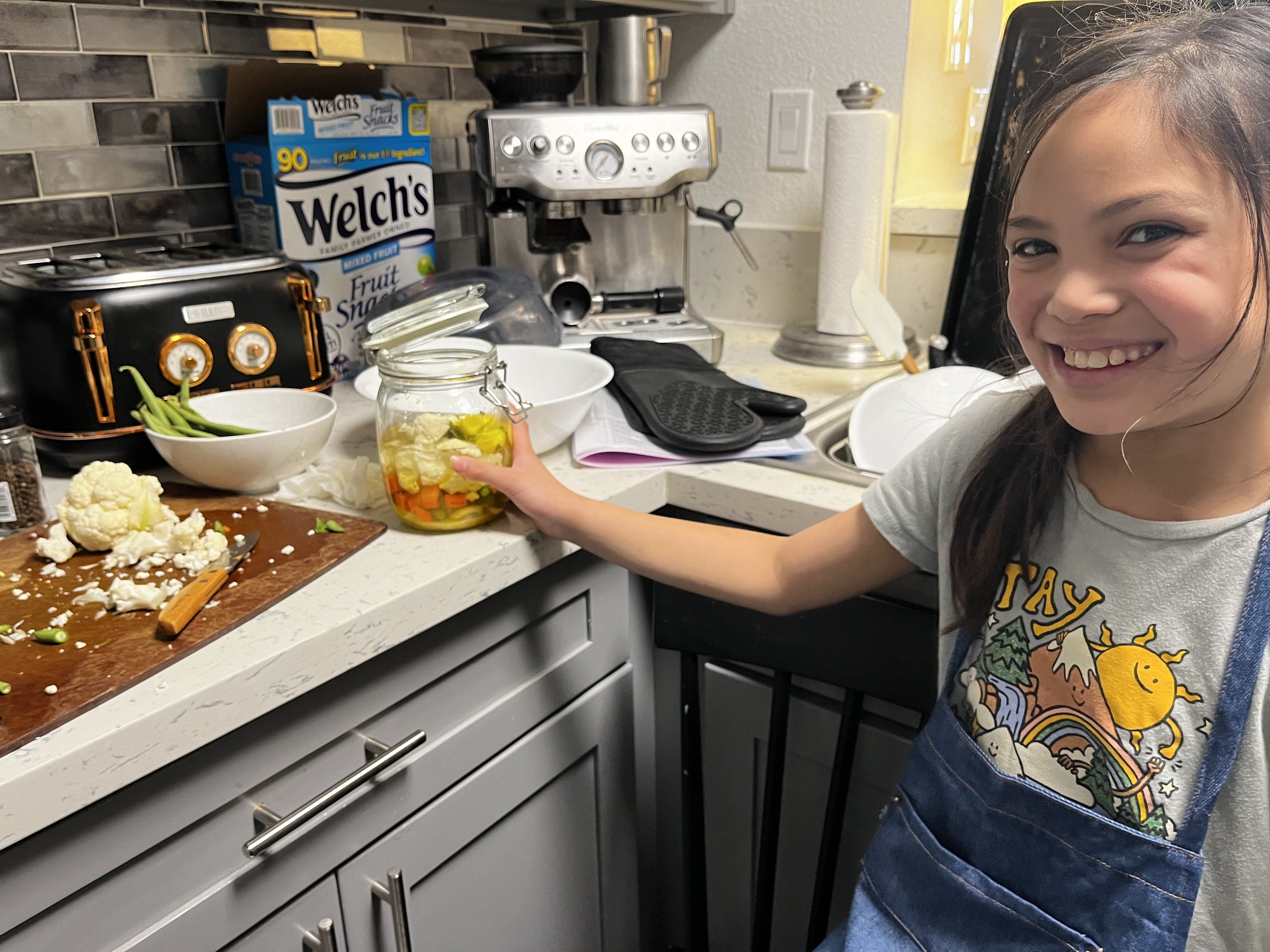


(Recipes are subject to change according to dietary restrictions and accommodations needed within the class.)
Healthy Harvest Granola
Quick-Pickled Garden Veggies
Maple Syrup Blueberry Muffins
Loaded Sheet Pan Nachos
Chickpea Protein Bars
Homegrown Microgreens Salad with Homemade Dressings
Viking Flatbrød and Blueberry Jam
Mediterranean Quinoa Salad
Fudgy Black Bean Brownies
Homemade Biscuits with Honey Butter
Sweet Potato Casserole
Spaghetti Sauce and Pasta
Cozy Apple Fritters
Friendship Soup in a Jar (for gifting)
Focaccia Bread Art
Sea-Salted Quinoa Pecan Brittle
Throughout the semester, the variety of recipes will reinforce technical skills, encourage innovative use of ingredients, and support interest in food culture. However, this class is about more than preparing tasty dishes.
Cooking offers hands-on experience with measuring, counting, fractions, tracking time, and temperature. For students in third grade and up, multiplication and division skills are needed to scale a recipe up or down. For students in fifth grade and up, additional math practice can come from calculating the cost of making a recipe vs. the price of a take-out version of a similar dish.
Following the step-by-step process-focused instructions of a recipe improves reading comprehension and shows that reading has practical benefits.
As foods are prepared, abstract concepts such as chemical reactions become relevant and understandable to children.
Cooking requires problem-solving and resilience to find solutions when a recipe does not come together as planned.
Many recipes we will prepare utilize basic ingredients that the student may already have in their pantry, demonstrating that home-cooked meals are manageable and can be fast and straightforward to prepare.
The kitchen is an excellent place for children to engage their senses experientially. They can knead, toss, pour, smell, chop, feel, and taste foods, all while having fun and learning without even realizing it.
Students will be encouraged to flavor dishes with herbs and spices and challenged to try their own variations, customizing recipes to suit their flavor and dietary preferences.
Cooking can teach children responsibility as they learn specific tasks to contribute to meal preparation and cleanup.
Acquiring ingredients from the grocery store, farmer’s market, or even harvesting their own herbs, fruits, and vegetables helps children understand where the ingredients that make up their favorite meals are sourced. Purchasing fresh, locally grown ingredients supports farmers in your area. For the Cooking 3/4 class: Students will be encouraged to visit a farmer’s market or pick-your-own farm to choose local seasonal ingredients.
Making a grocery list before shopping helps a child learn about planning and making informed choices about healthy foods. Choosing whole-food ingredients reduces packaging waste and instills the values of environmental consciousness.
Preparing recipes from other countries allows children to experience new flavors and textures. This exposure to diverse cuisines opens a child’s mind to different cultures, offers a geography lesson, and promotes awareness, understanding, and appreciation of culinary traditions and practices worldwide. For the Cooking 5-8 class: Each week, students will be encouraged to research two new facts about the recipe’s country of origin to share with the class.
Cooking allows children to learn more about their own heritage and family traditions through treasured recipes passed down through the generations.
Exercise, Adventure, & Circus
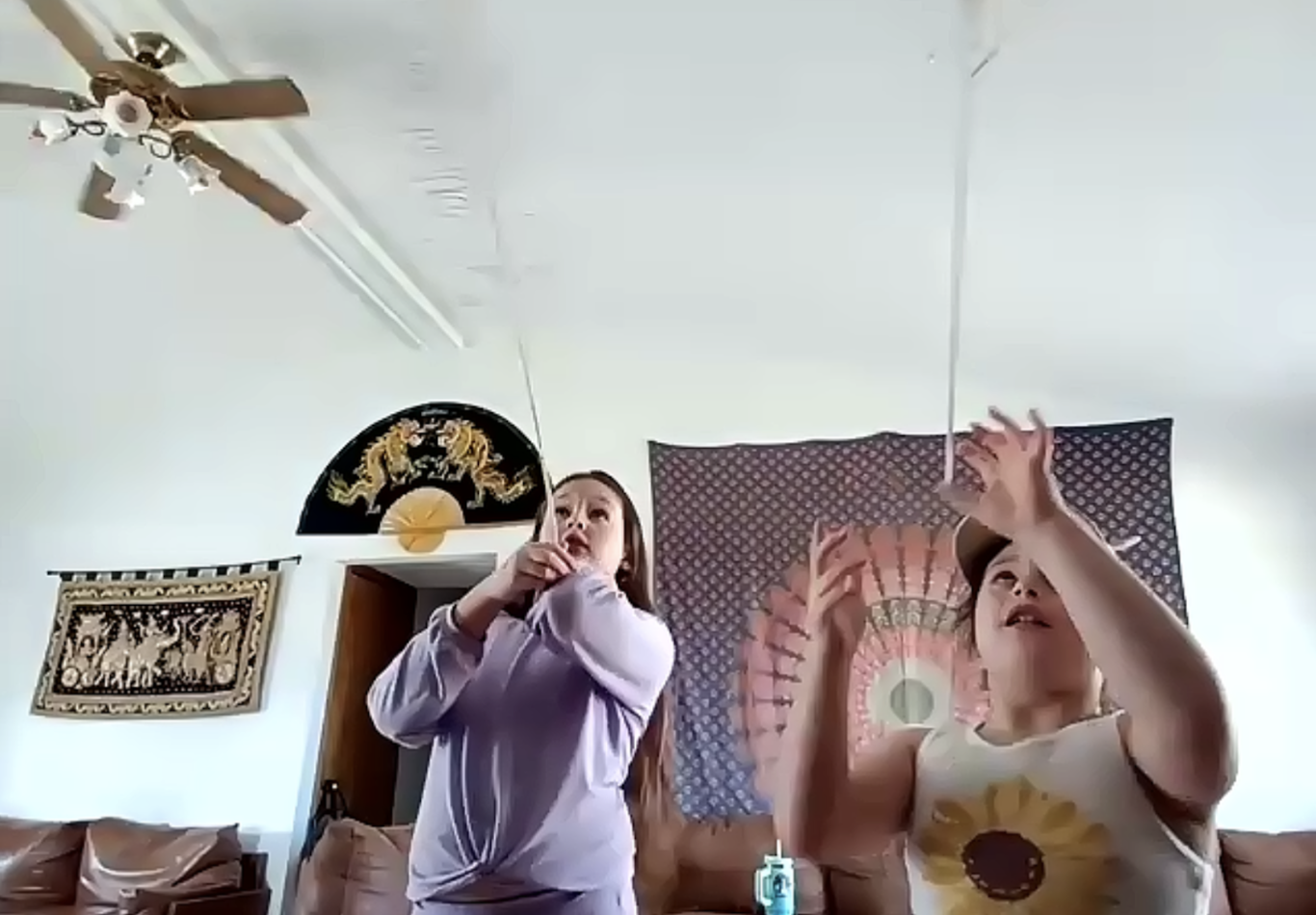

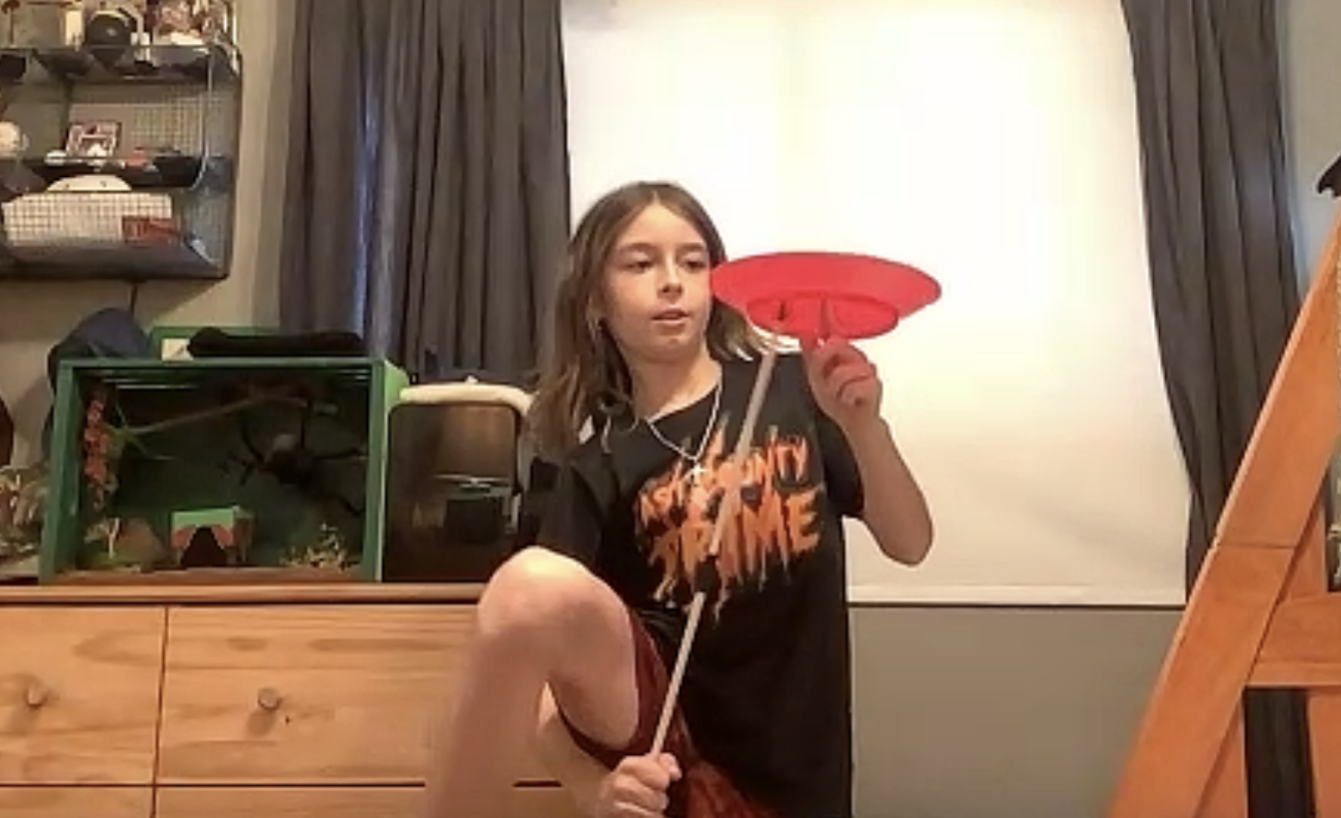
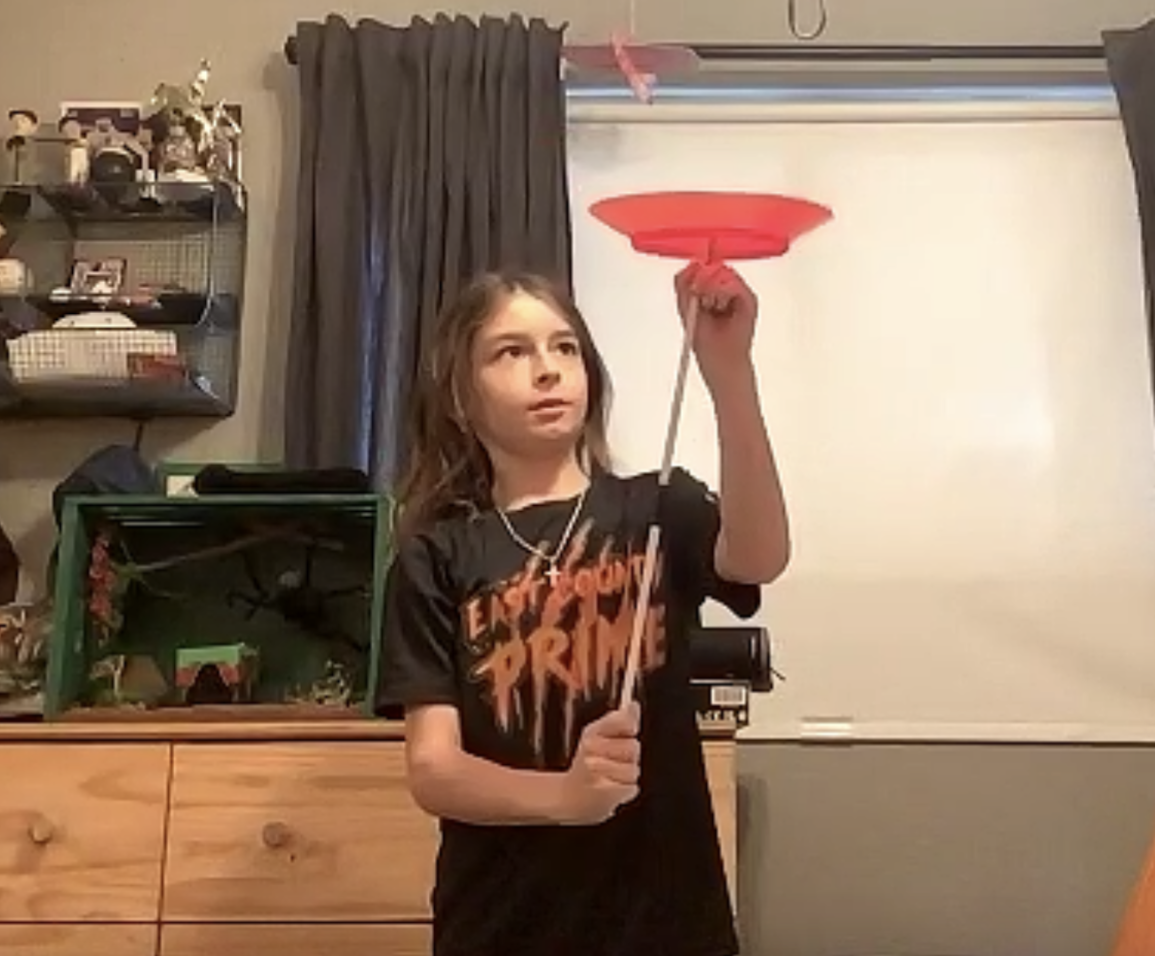
Classes will begin with a fun and challenging opening to get everyone up and moving. Then we will have a challenge section of class to develop balance, strength and coordination. This will be done through games and exercises. Moving into circus skills, the class will explore clowning and theatrical movement. Circus skills will include balancing, juggling, and plate spinning.
Students will learn to present their skills in Circus and theatrical styles. Social interactions will be part of the work, and focus put on students connecting and having fun. There will be a cool down and reflection to close class.
Seasonal Crafting
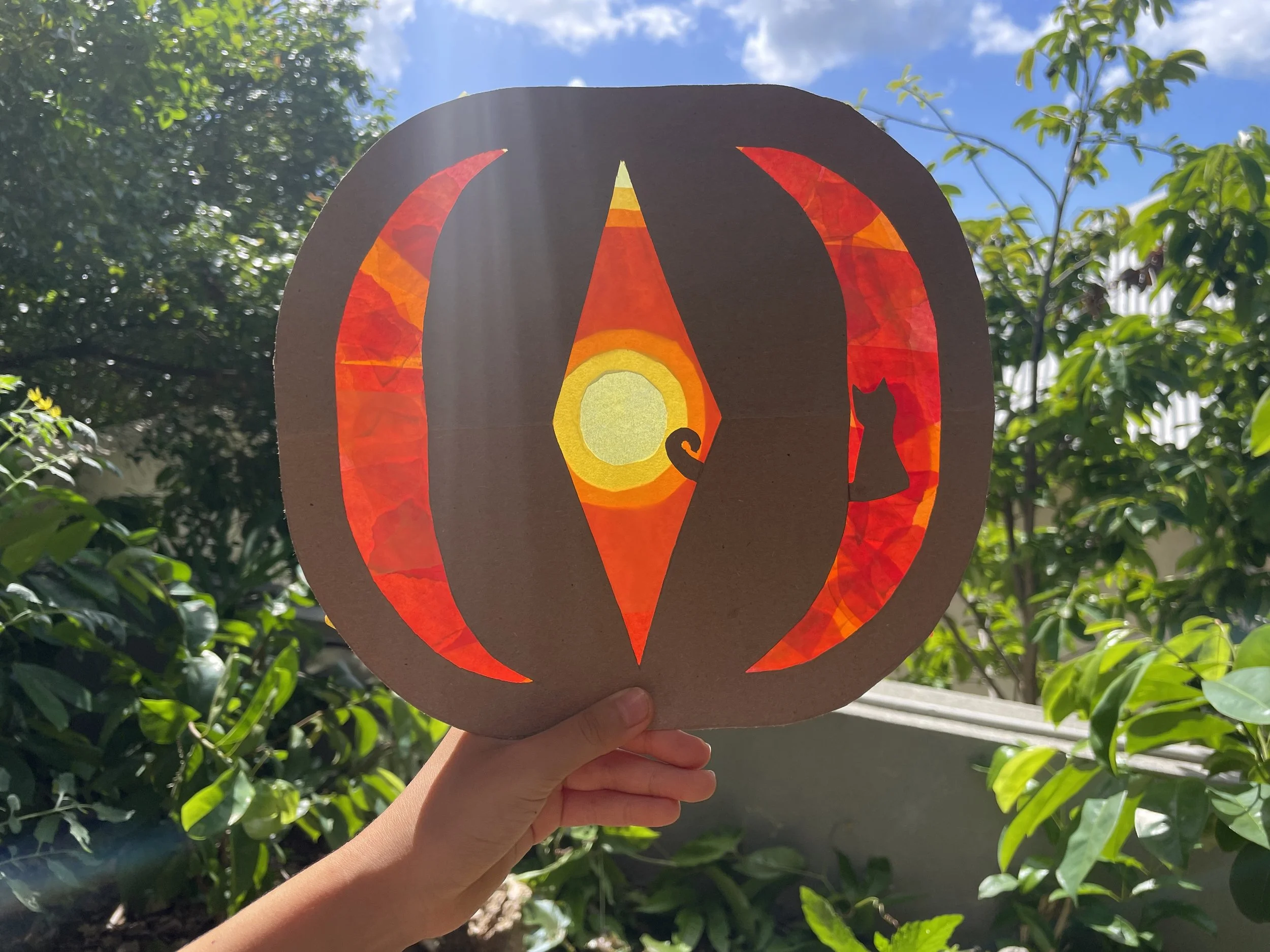
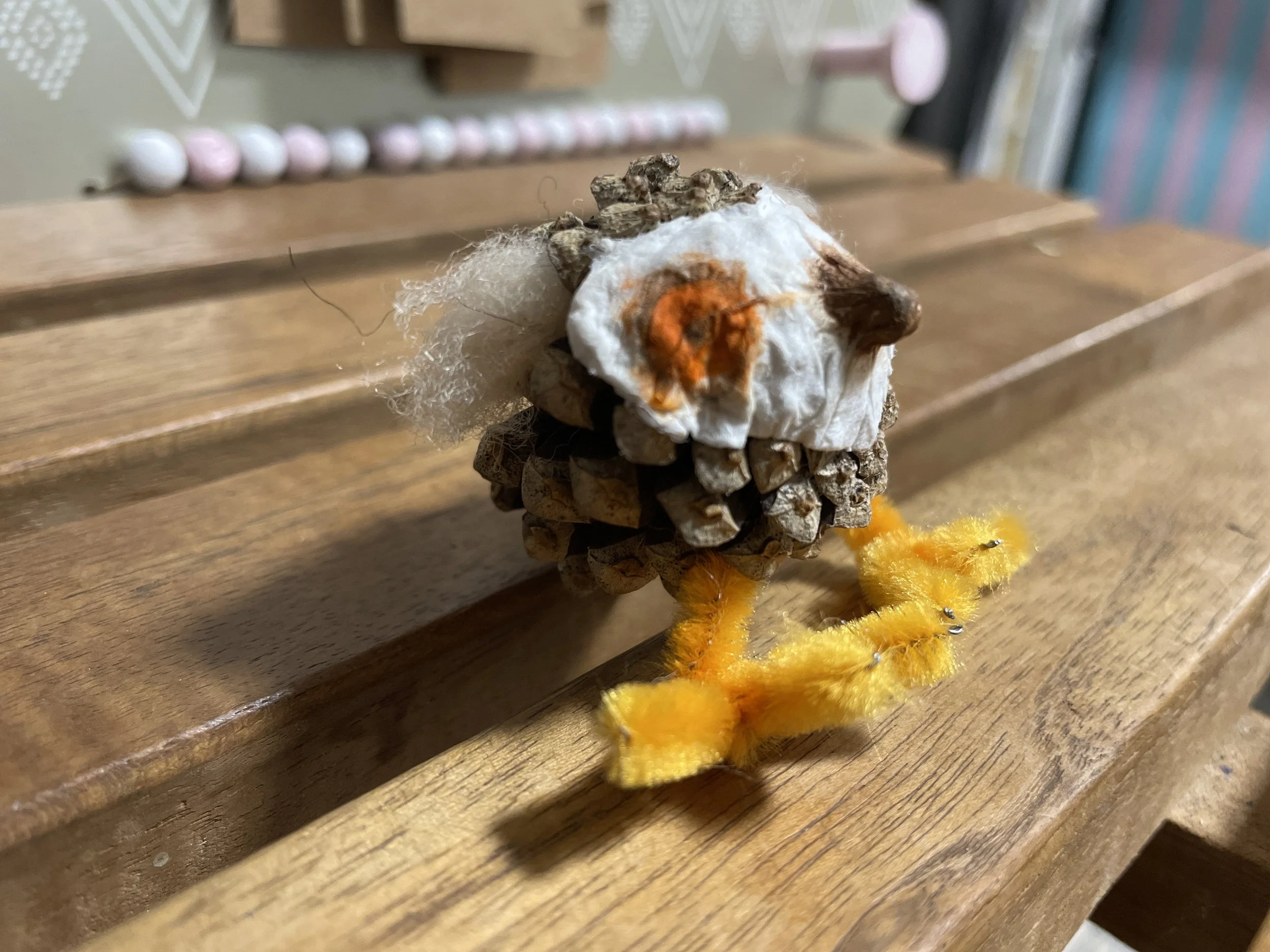
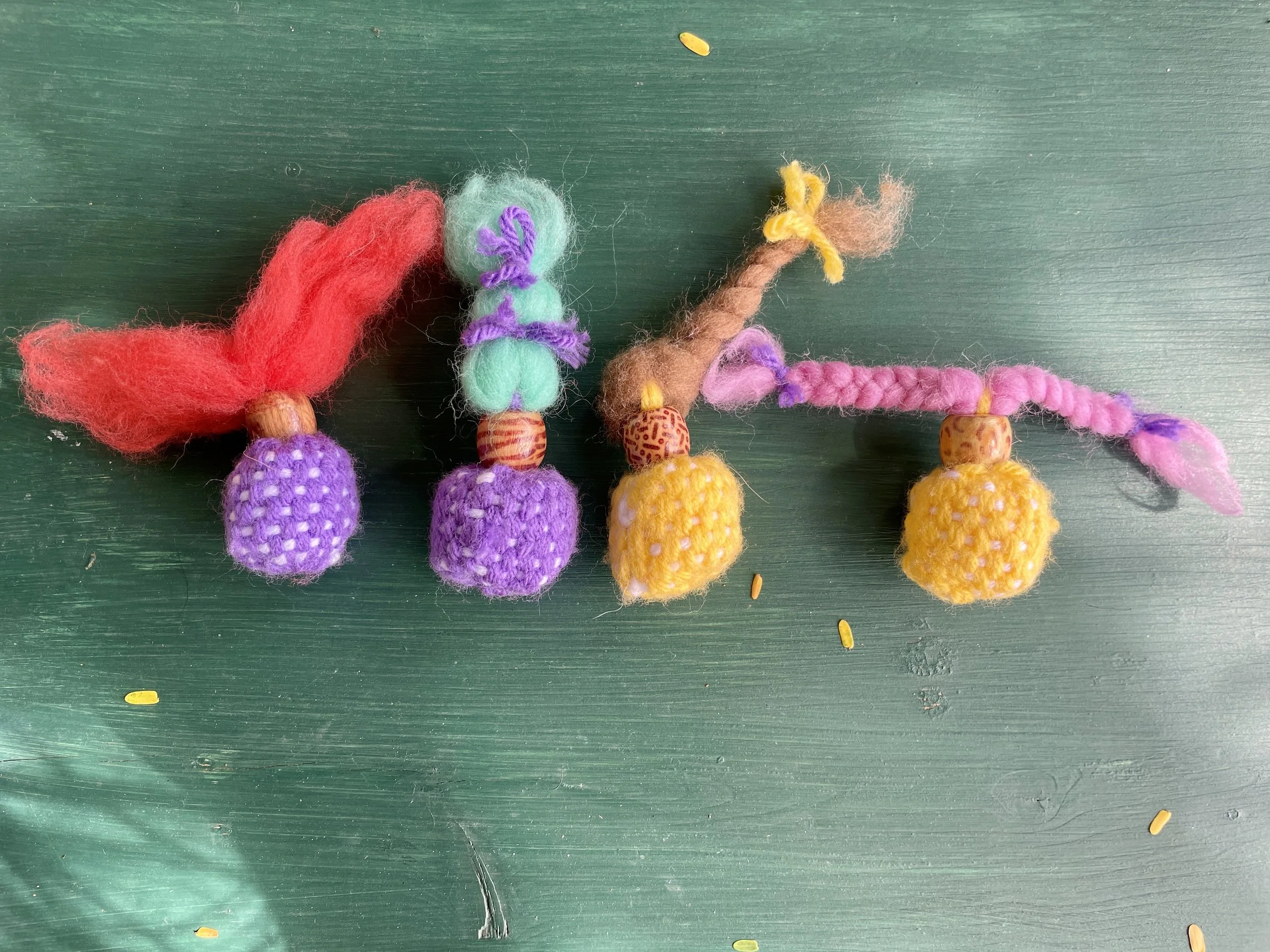
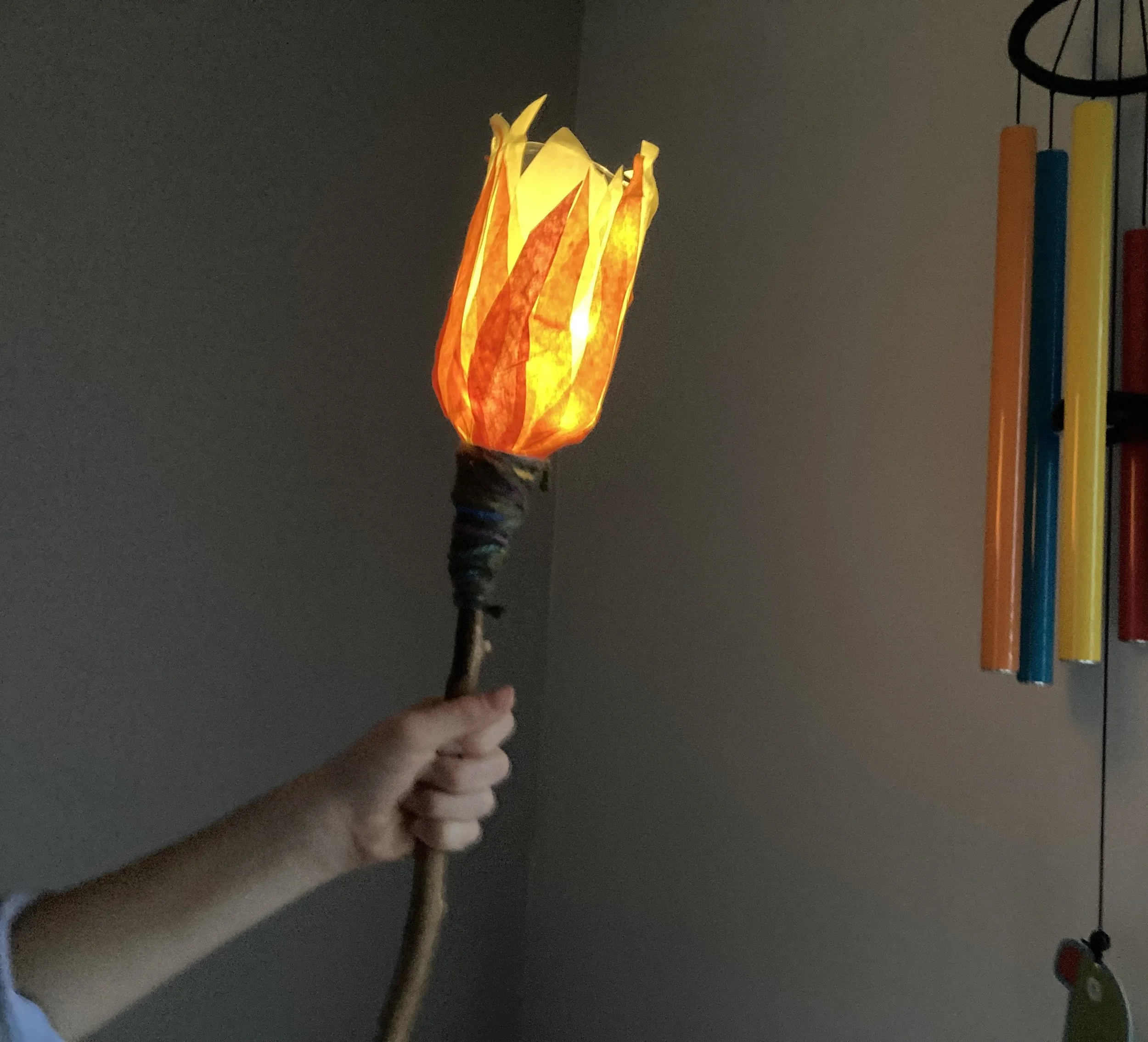
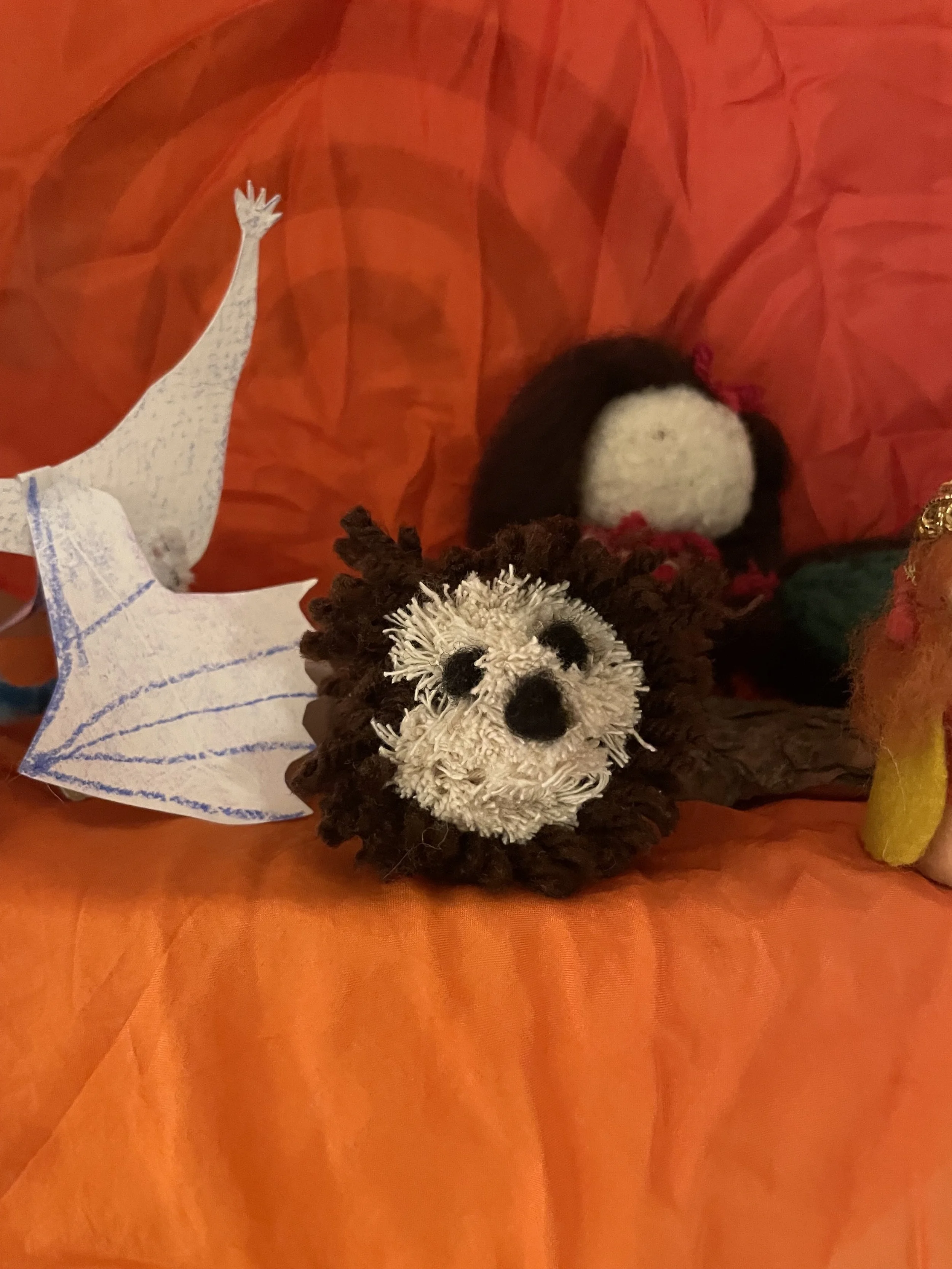
In this joyful, hands-on class, children are invited into the living rhythm of the seasons through Waldorf-inspired crafts and festivals. With humble materials such as recycled cardboard, colorful kite paper, soft yarn, and natural elements, they shape each season’s mood and beauty with their own hands. As we journey from the golden richness of autumn to the quiet awakening of spring, creativity unfolds naturally, skills grow with ease, and a deeper connection to nature and its rhythms begins to take root.
Beginner Ukulele


This class is for children who are brand new to ukulele and for students who aren’t quite ready for advanced ukulele. If you took ukulele with me previously, this class will be right for you if: a) holding a steady strum and singing at the same time are still tools in your belt that need sharpening, b) you’re still working to memorize and create basic chords (C, G, F, Am, Em, G7, A), c) you’d like to take the beginners class again to deepen your skills before moving onto more complicated chords and rhythms.
Playing the ukulele offers a myriad of benefits that positively impact both mental and physical well-being. Engaging in the rhythmic strumming and precise finger movements required to play chords and melodies enhances hand-eye coordination and fine motor skills. The melodic and harmonic aspects of playing the ukulele promotes relaxation, and reduces feelings of stress and anxiety. Learning and practicing music stimulates various areas of the brain, improving cognitive function, memory, and concentration.
Regular practice sessions instill discipline and perseverance, contributing to personal growth and development. Please encourage your child to play every day until it becomes a habit.
In this class, students will embark on an exciting musical journey, learning the fundamentals of playing the ukulele while exploring various rhythms, chords, and songs. Blending chord practice and playing songs will make for a wonderful, full learning experience and will excite the children. During class, students will be listening to me, and playing along, or I will play a group of chords, and they will “repeat after me” in a choral manner. There will also be times where students are the ones leading and playing off mute.
Throughout the class, emphasis will be placed on creativity, expression, and collaborative learning. By the end of the course, students will have developed a solid foundation in ukulele playing, equipped with the skills and confidence to continue their musical journey with passion and enthusiasm.
If you’d like some reading about music in Waldorf schools, this is a wonderful read:Music as a Threshold Experience
Cursive
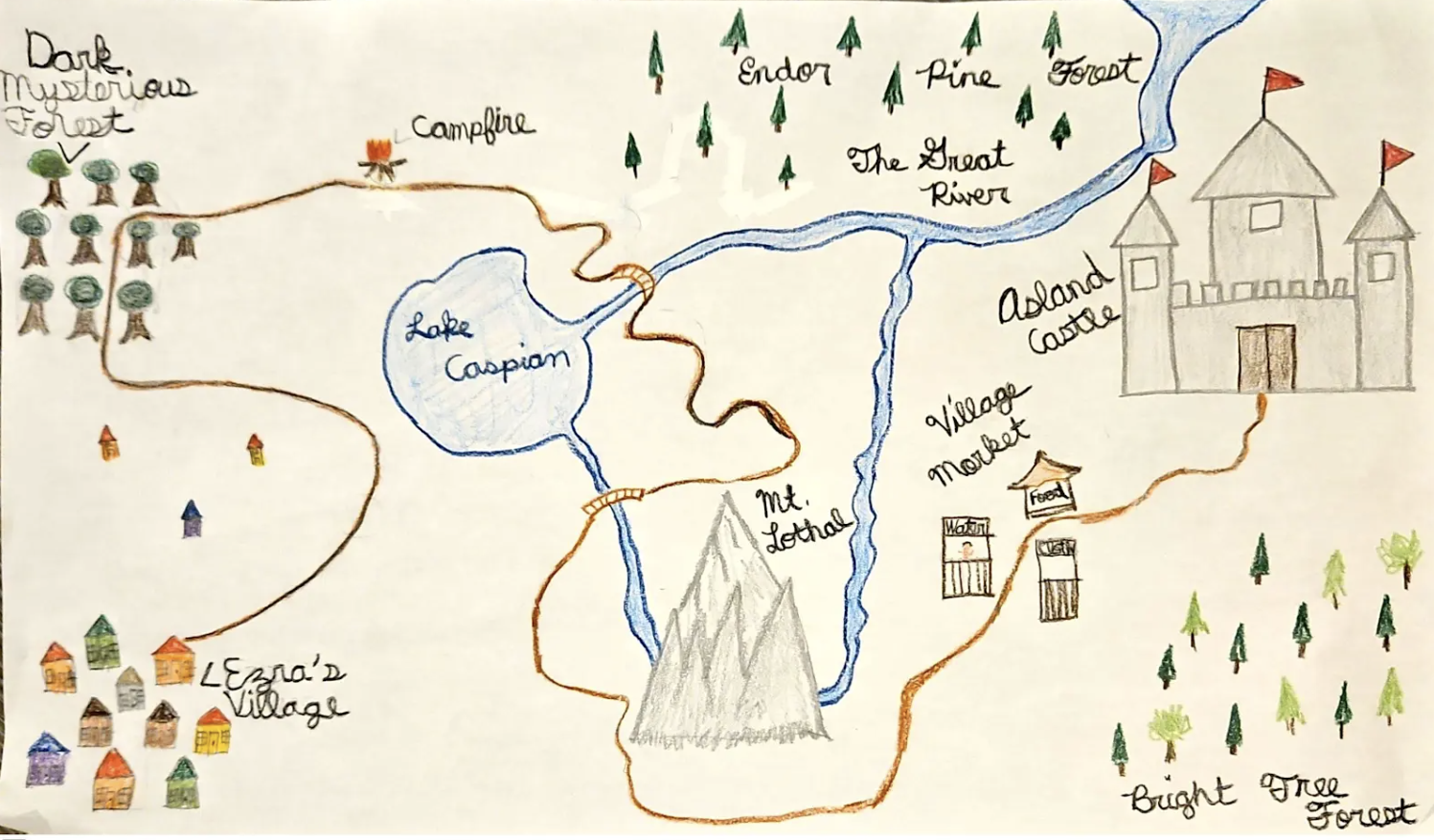
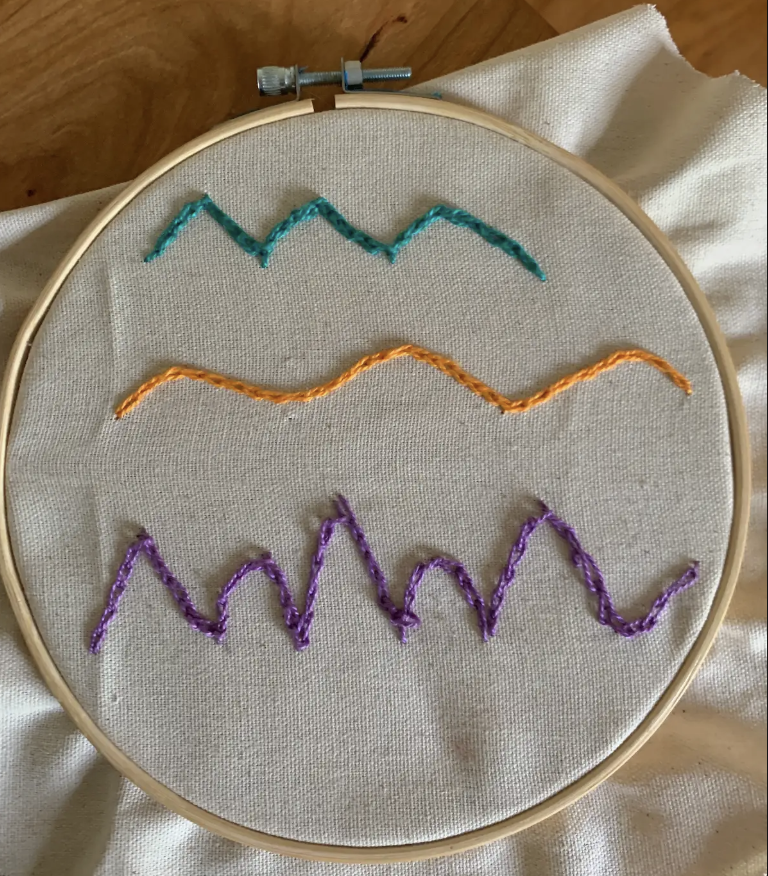
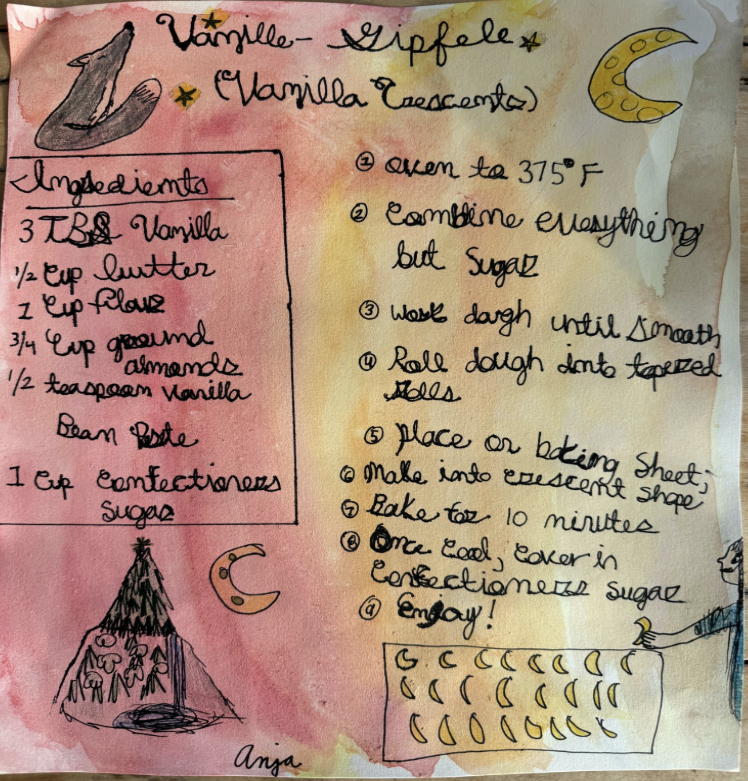
This is a full year class for children in grades 3 & 4 who wish to explore the art of cursive writing. Cursive writing begins in grade 3 in Waldorf schools because of the specific developmental stage of the 9 year old child. They are going through a shift in consciousness and becoming more aware of themselves as individuals. As cursive requires greater fine motor skills and coordination than print, it helps to establish deeper connection between hand and mind, reinforcing muscle memory, fluid thinking, and a sense of personal expression in writing.
Writing in cursive becomes an artistic writing experience rather than just a mechanical skill. They will see beauty in the curves and connections they make as they develop a new relationship to the letters they first met in grade one. The rhythm of cursive supports more natural, continuous movement, similar to drawing. Science has recently affirmed what we have known for a very long time: this continuous hand movement required to write in cursive engages both sides of the brain, which enhances memory, focus, and comprehension.