
Class 1 Complements
Click one below to learn more:
Cooking
Handicrafts (Hand Sewing & Woodworking)
Pentatonic Flute
Woodworking
Hand Sewing
Wet-on-wet watercolor Painting
WORLD LANGUAGE: SPANISH & GERMAN
Seasonal Crafting
Handwork: beginning knitting
Handicrafts (Hand Sewing & Woodworking)
Teaching children to make useful and beautiful things with their hands is a fundamental element of the Waldorf curriculum from kindergarten throughout the grades. Younger students develop strength and coordination in their hands and fingers through practical and meaningful activities like sewing and woodwork. In addition, a solid foundation in fine motor skills prepares students for writing, drawing, and artistic work in grade school.
Learning to use hands skillfully develops a child's sense of self-reliance and confidence. Hand skills also awaken creative powers, promote a sense of reverence for craftsmanship, and instill respect for the world's makers.
The practical, repetitive nature of hand sewing offers your child a more subtle, inward, and settling activity. Using soft, natural fiber materials, they learn to manipulate simple sewing tools to craft objects that may be useful, imaginative, or made as gifts. Each project builds upon the previous one, both in terms of skills learned and improved craftsmanship.
All children benefit from practicing sewing skills. Threading a needle requires patience and a skilled hand. In addition, knotting the thread and stitching by hand contribute to the development of hand-eye coordination. Apart from learning to sew on a button, repairing toys or clothes, or making an original gift for someone, learning to stitch by hand is a valuable skill that will be useful throughout your child’s life.
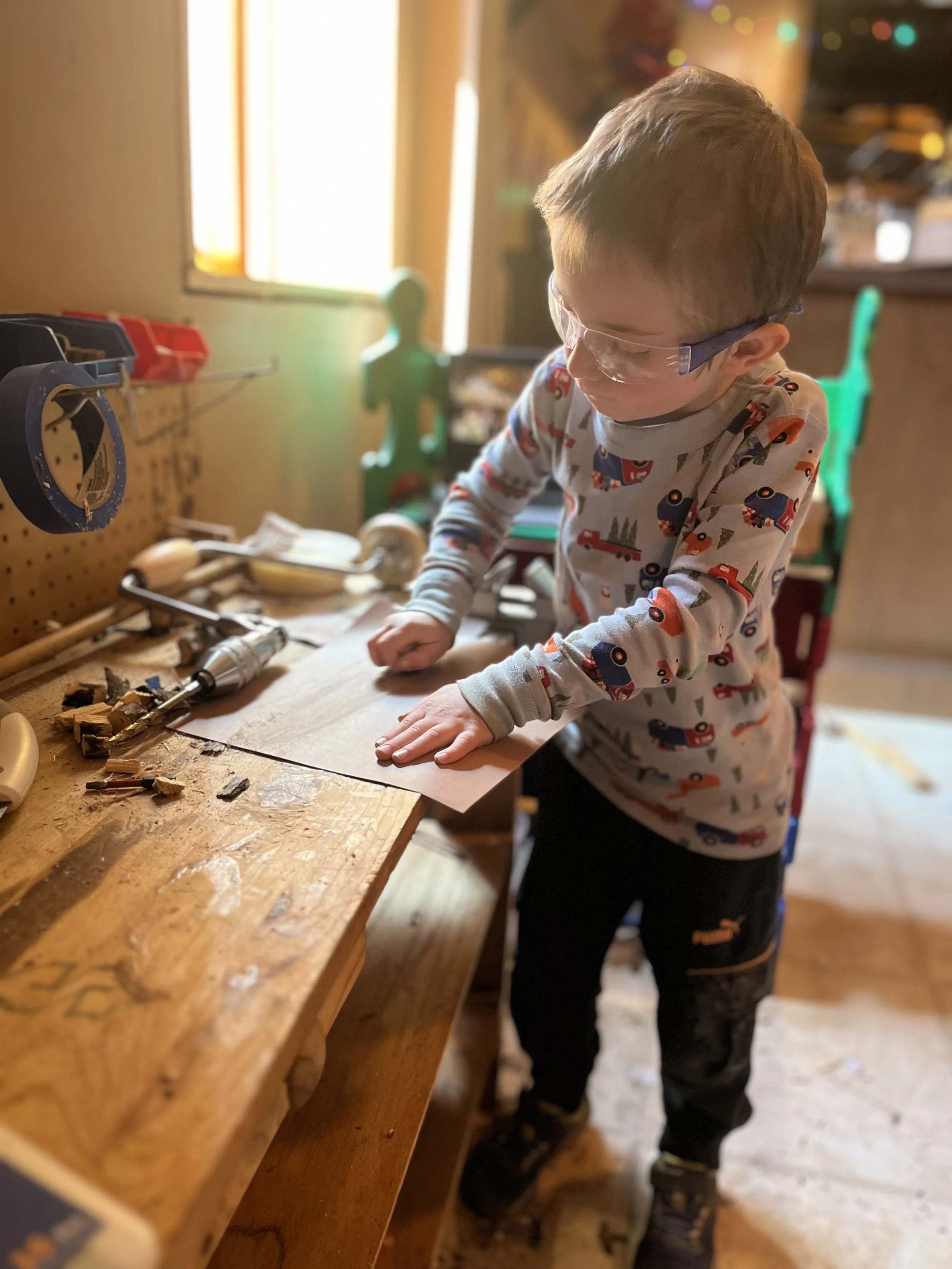
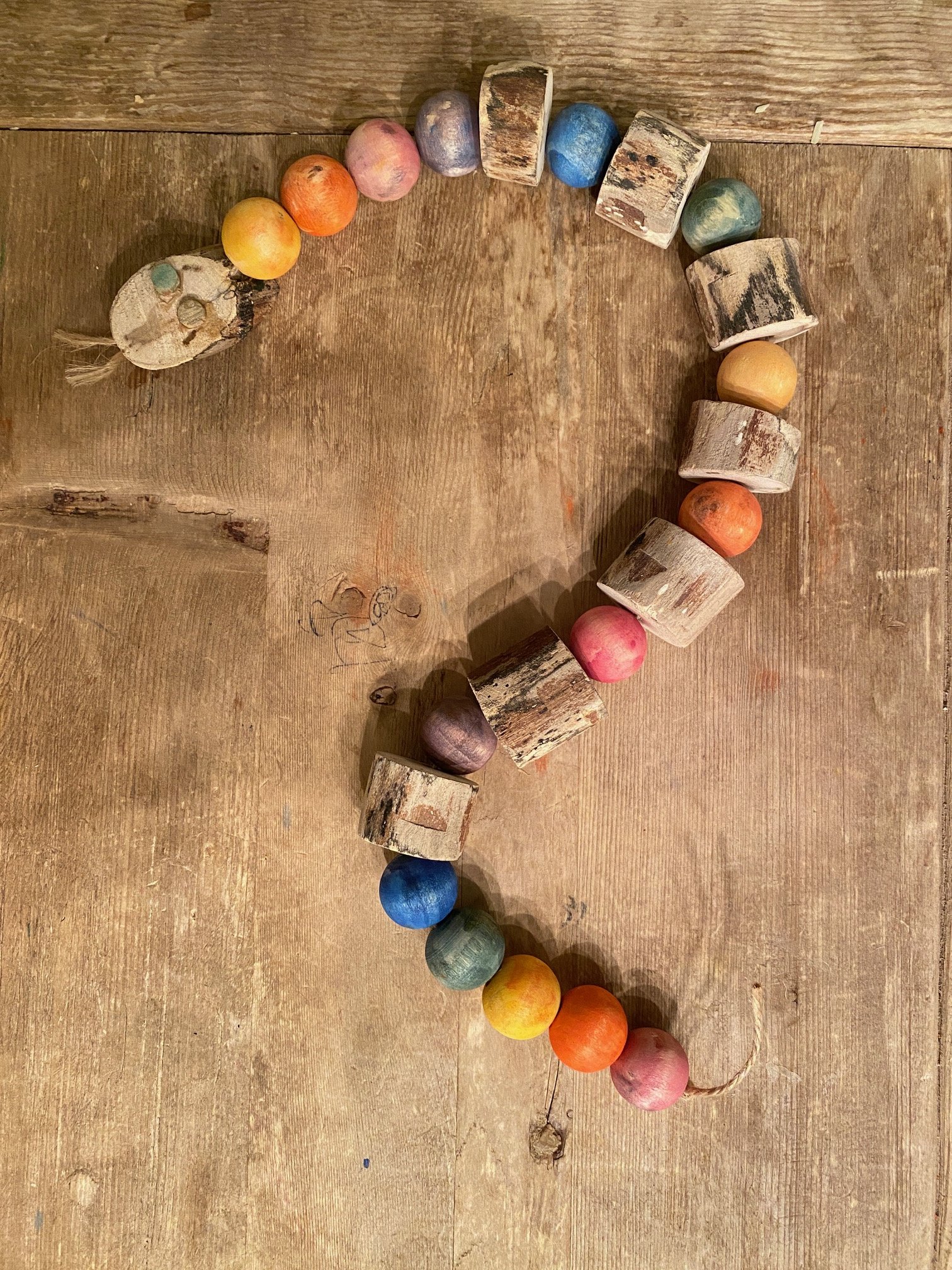
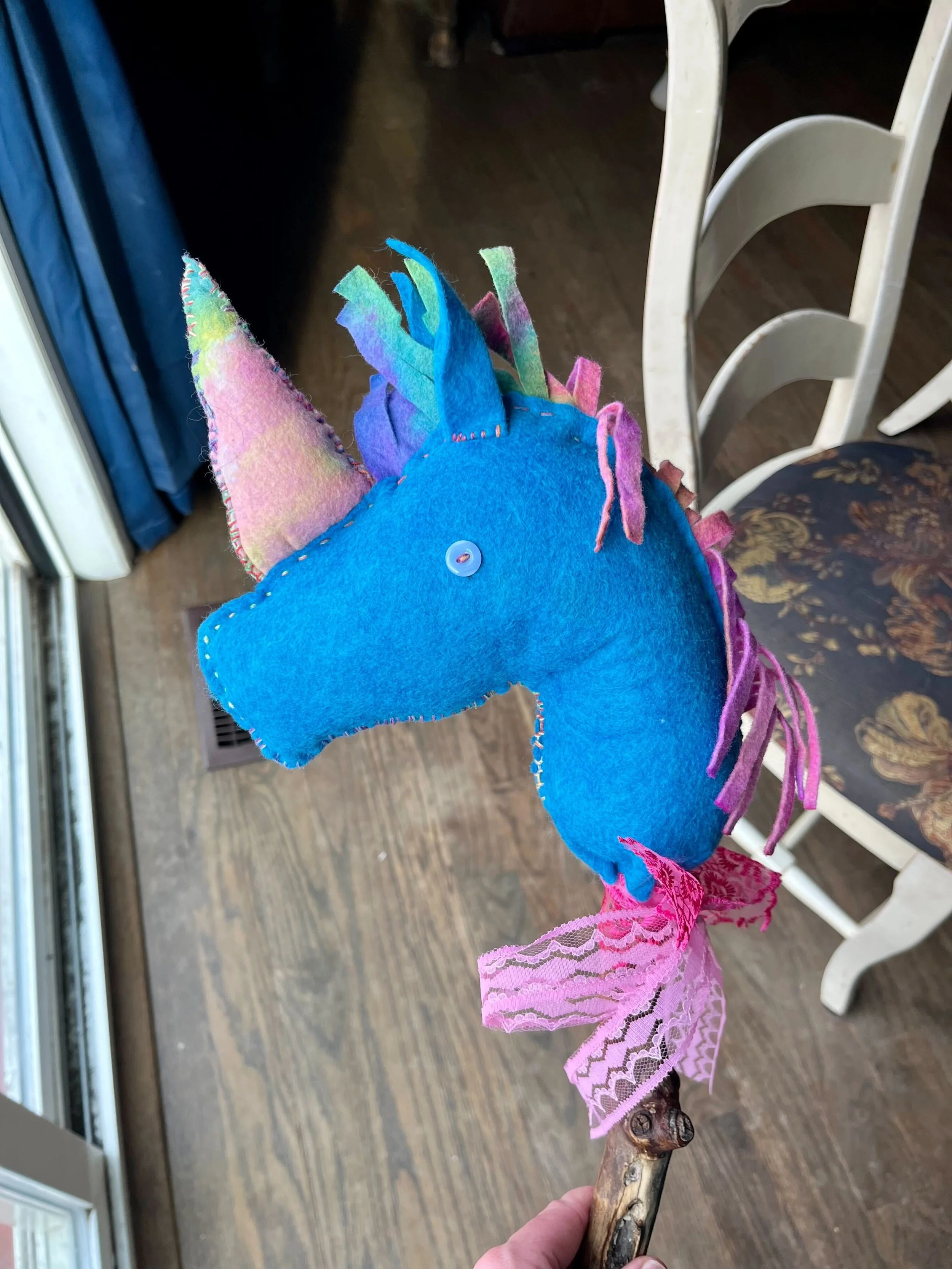
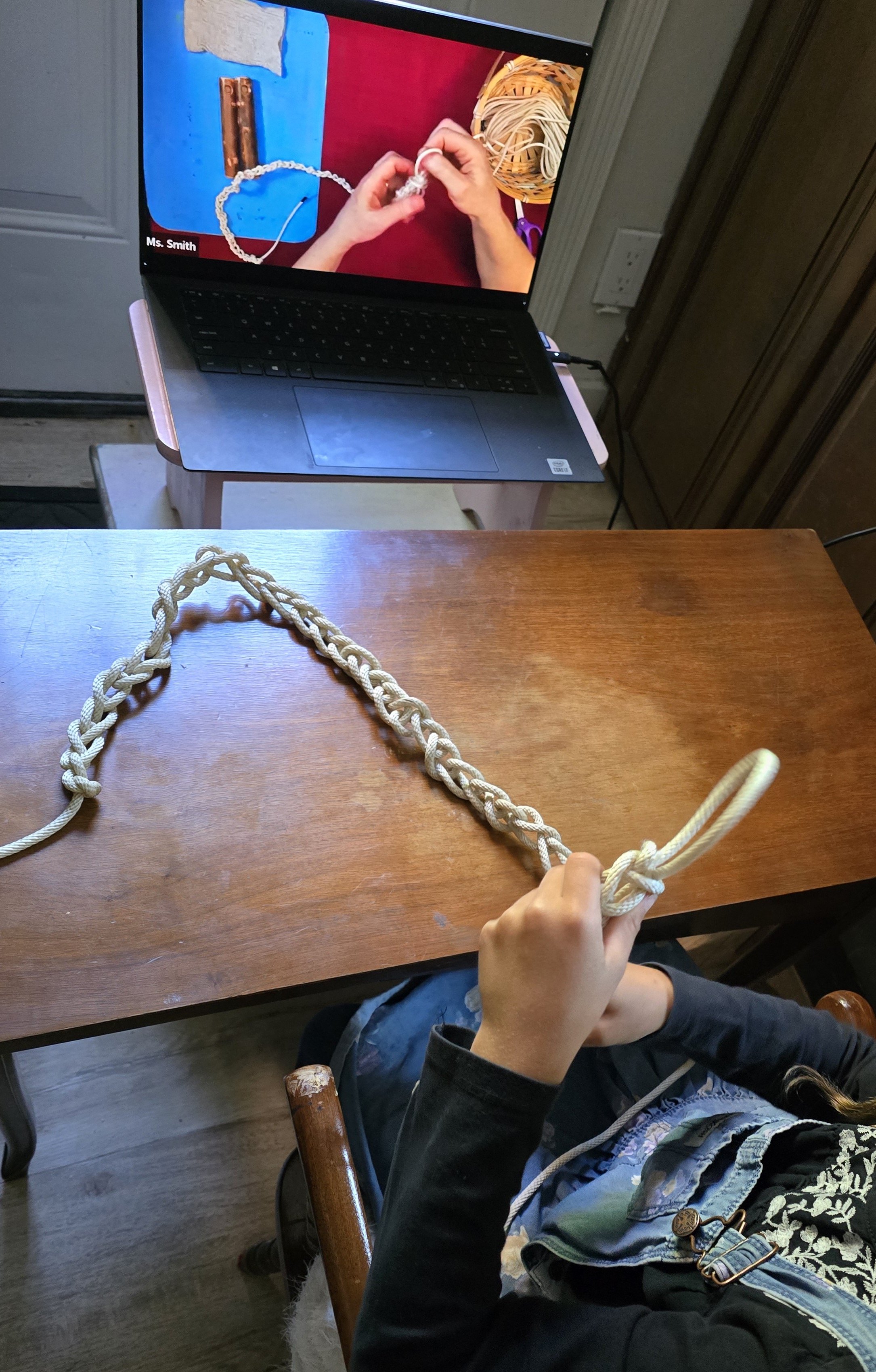
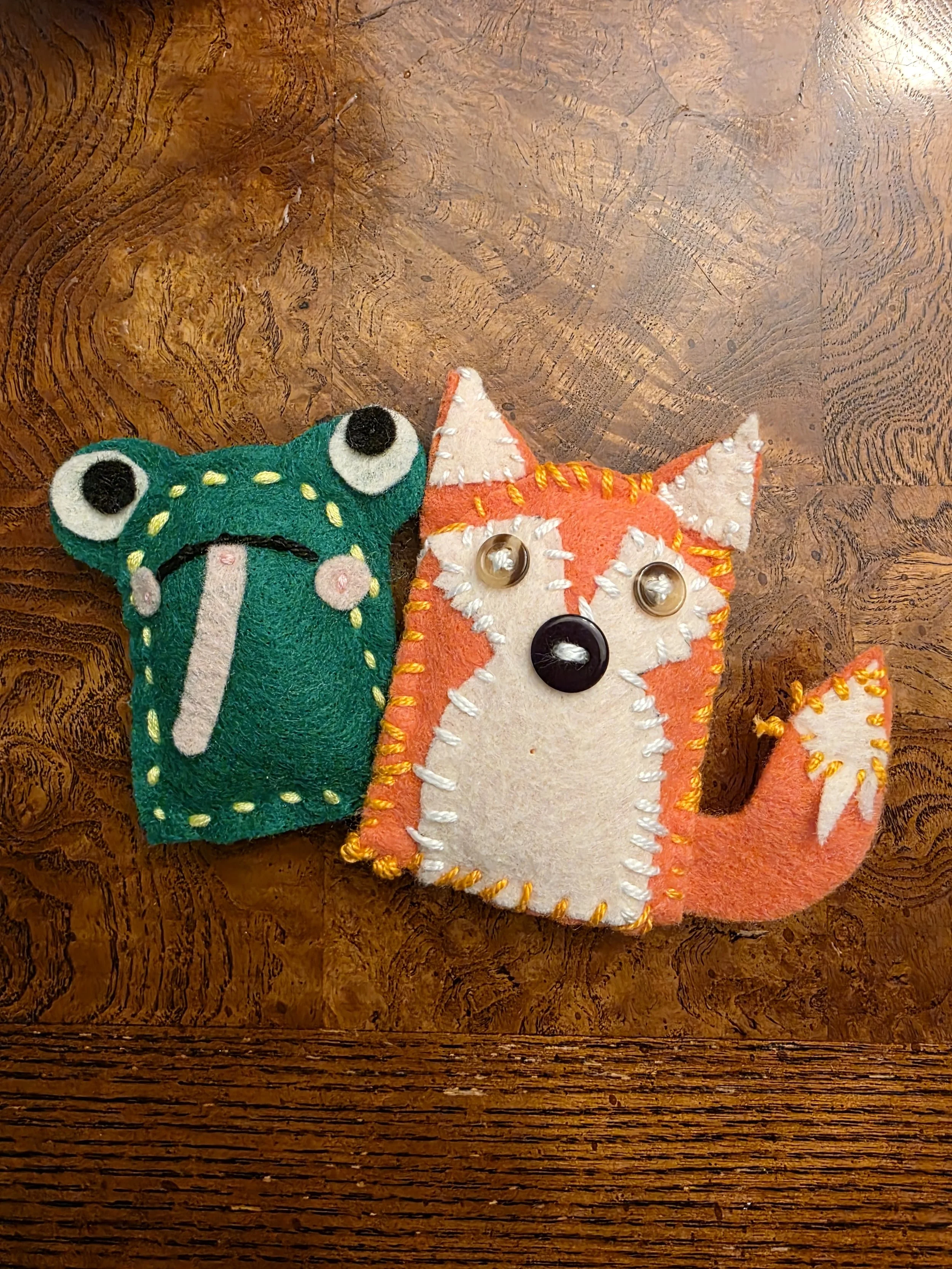
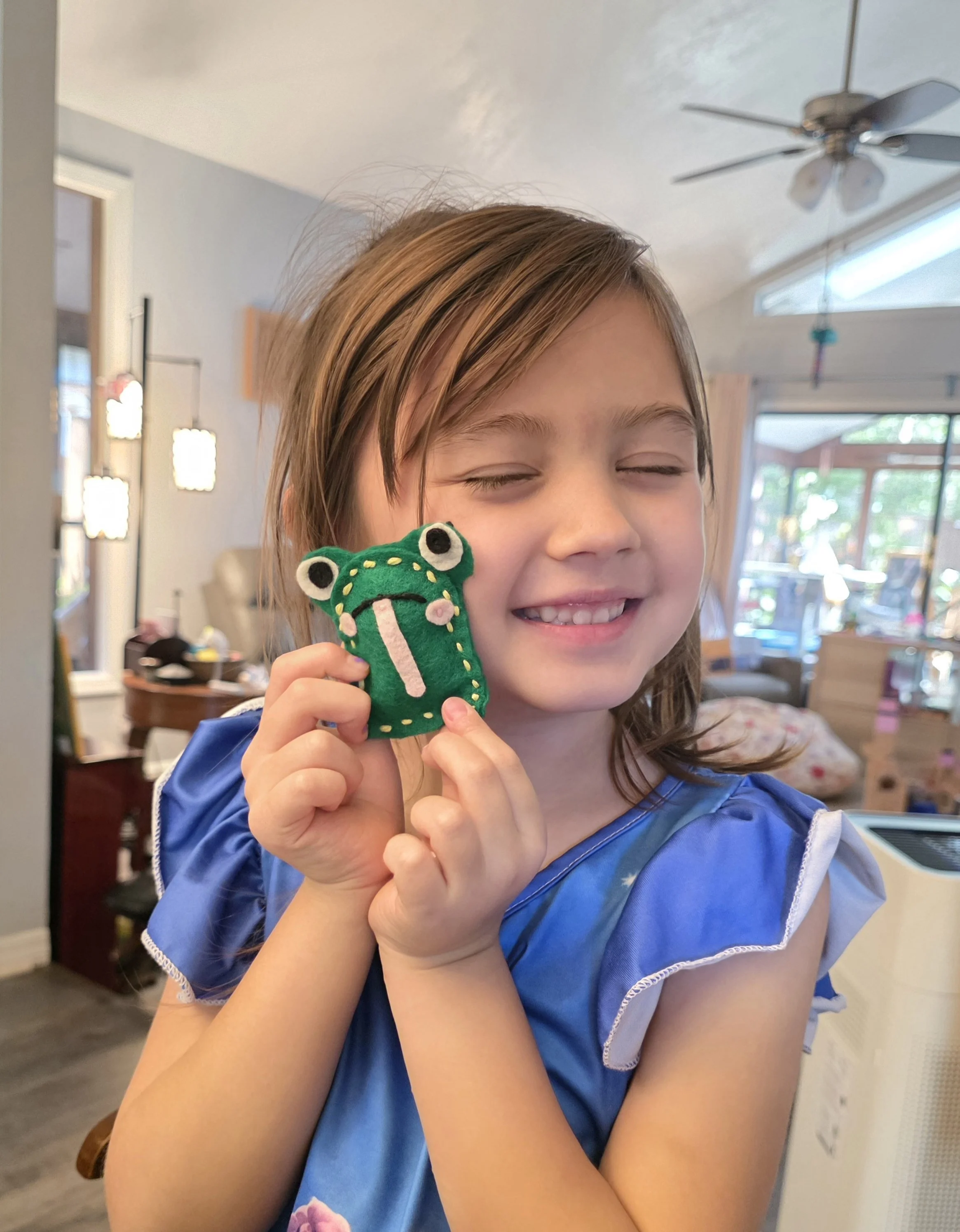
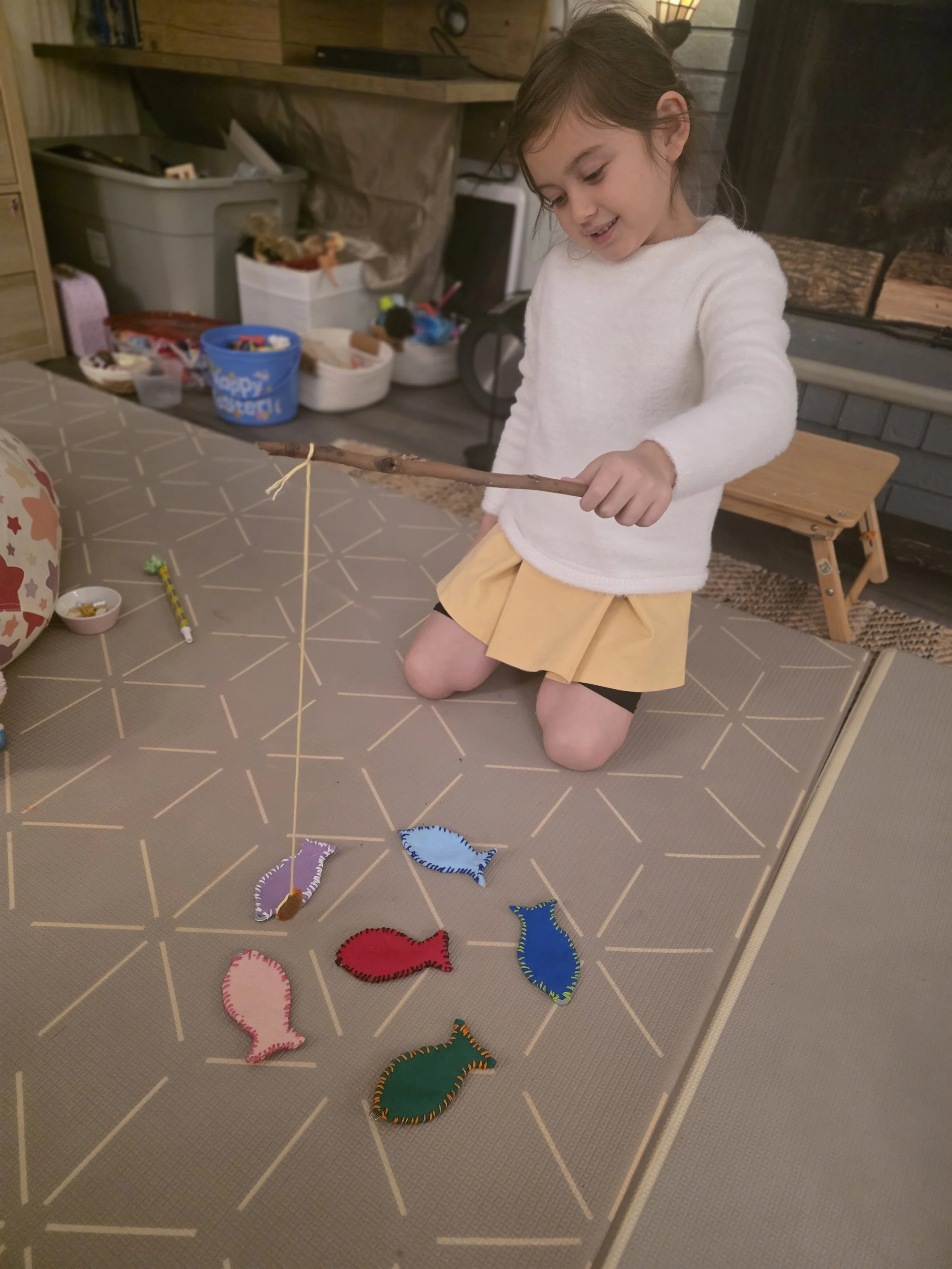
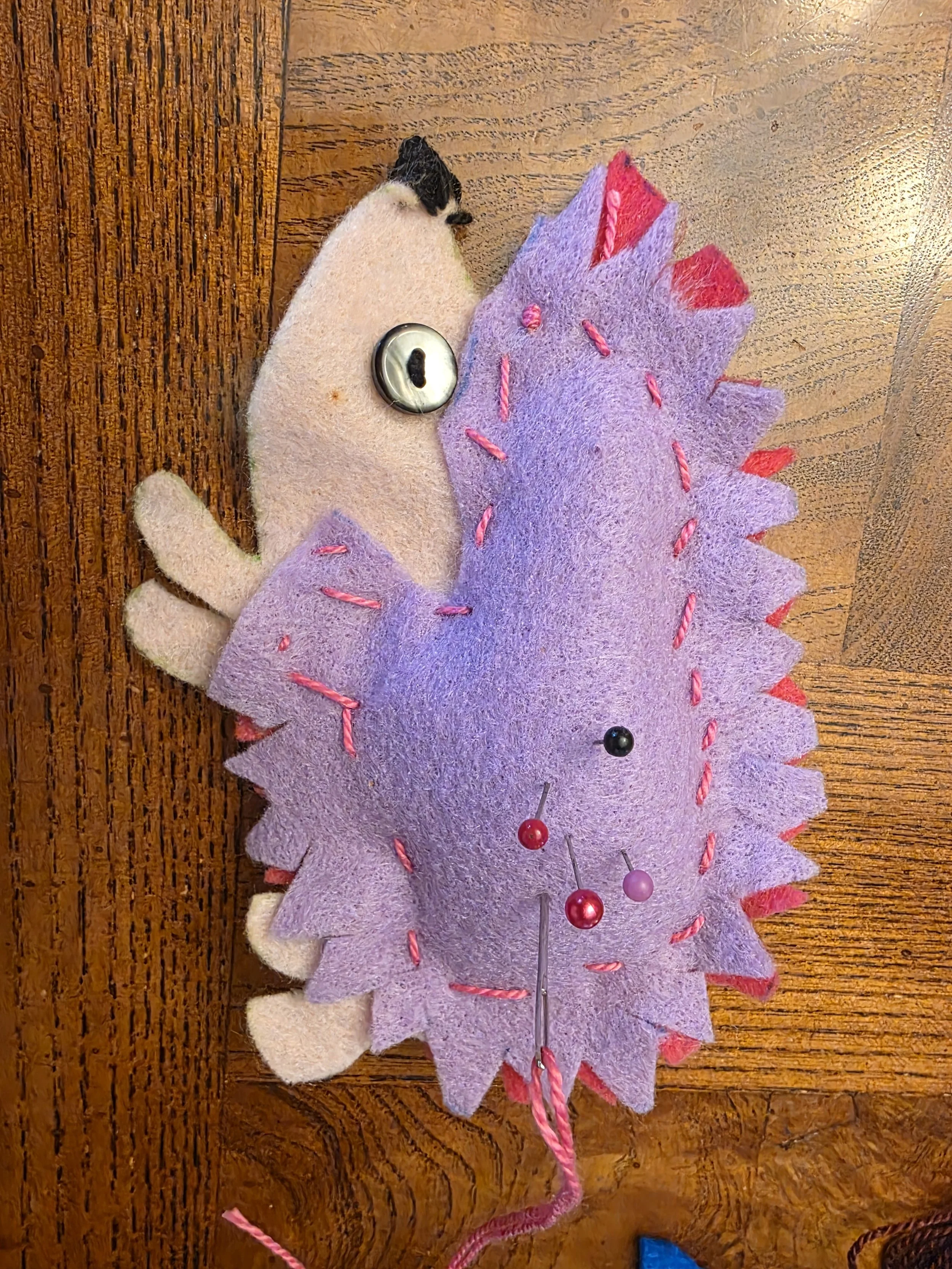
Additionally, hand sewing helps the child acquire the following traits and skills:
· Handwork strengthens forces (behaviors) that are weak. For example, it encourages thinking in the dreamy child, feeling in the overly intellectual child, and stimulates activity in the weak-willed child.
· Working with hands builds the capacity to solve unexpected problems. Students learn to notice sewing mistakes and figure out ways to correct them.
· The process of sewing teaches patience in subtle but very effective ways. Once the child realizes that they can’t sew before threading the needle; they can’t cut fabric before marking it; they can’t take shortcuts while stitching pieces of fabric together, and so on, they’ll slowly begin to learn to be more patient as the importance of process emerges.
Matti Bergstrom, a Swedish neurophysiologist, says, “The density of nerve endings in our fingertips is enormous. Their discrimination is almost as good as that of our eyes. If we don’t use our fingers in childhood and youth, we will become ‘finger-blind,’ and this rich network of nerves will be impoverished, which represents a huge loss to the brain and thwarts the individual’s overall development.”
Rudolf Steiner explains that the development of adult qualities, such as sound judgment and balanced thinking, depends far more on whether the child has learned to use his hands and fingers in practical ways than on exercising logical thinking in later life.
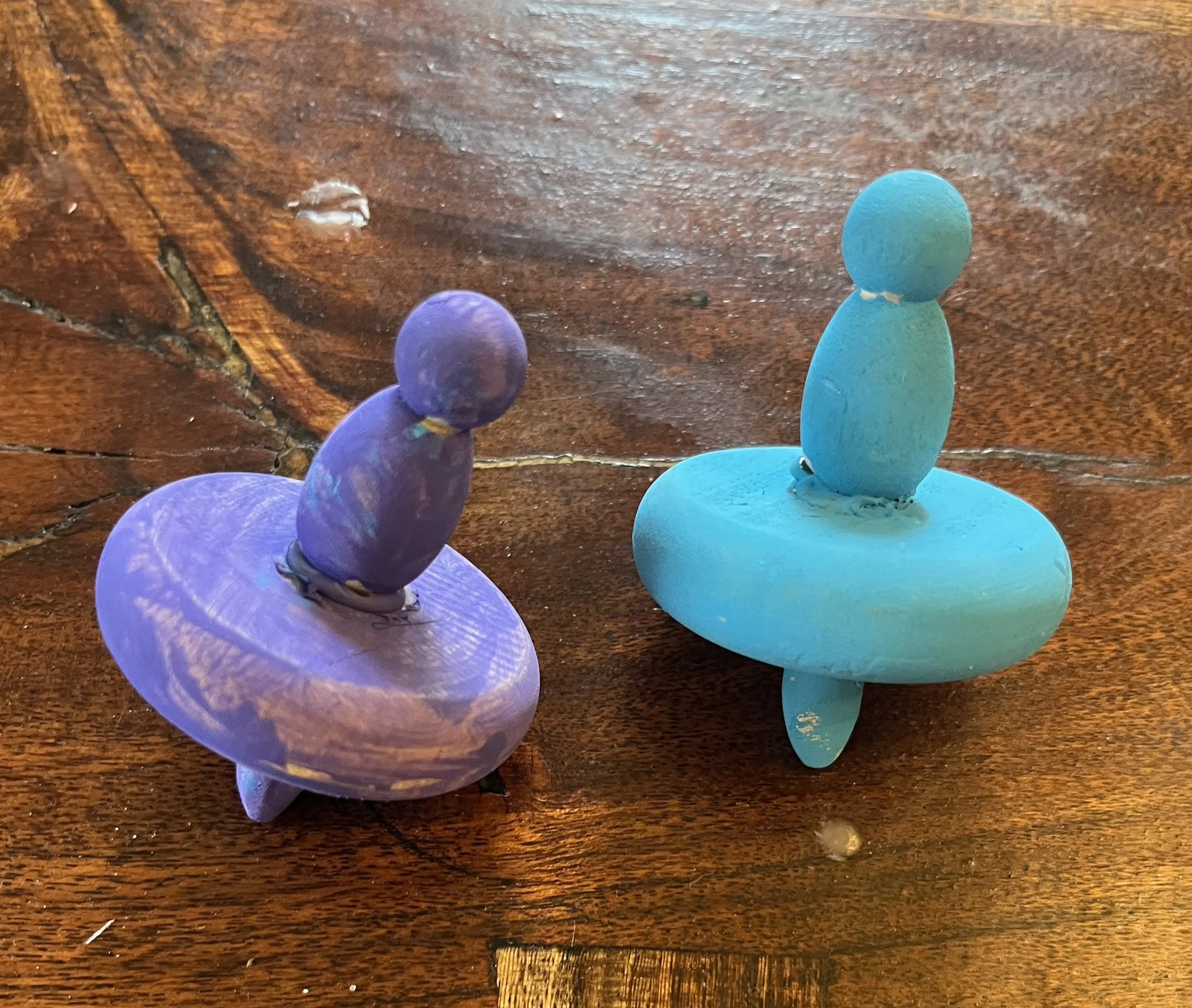
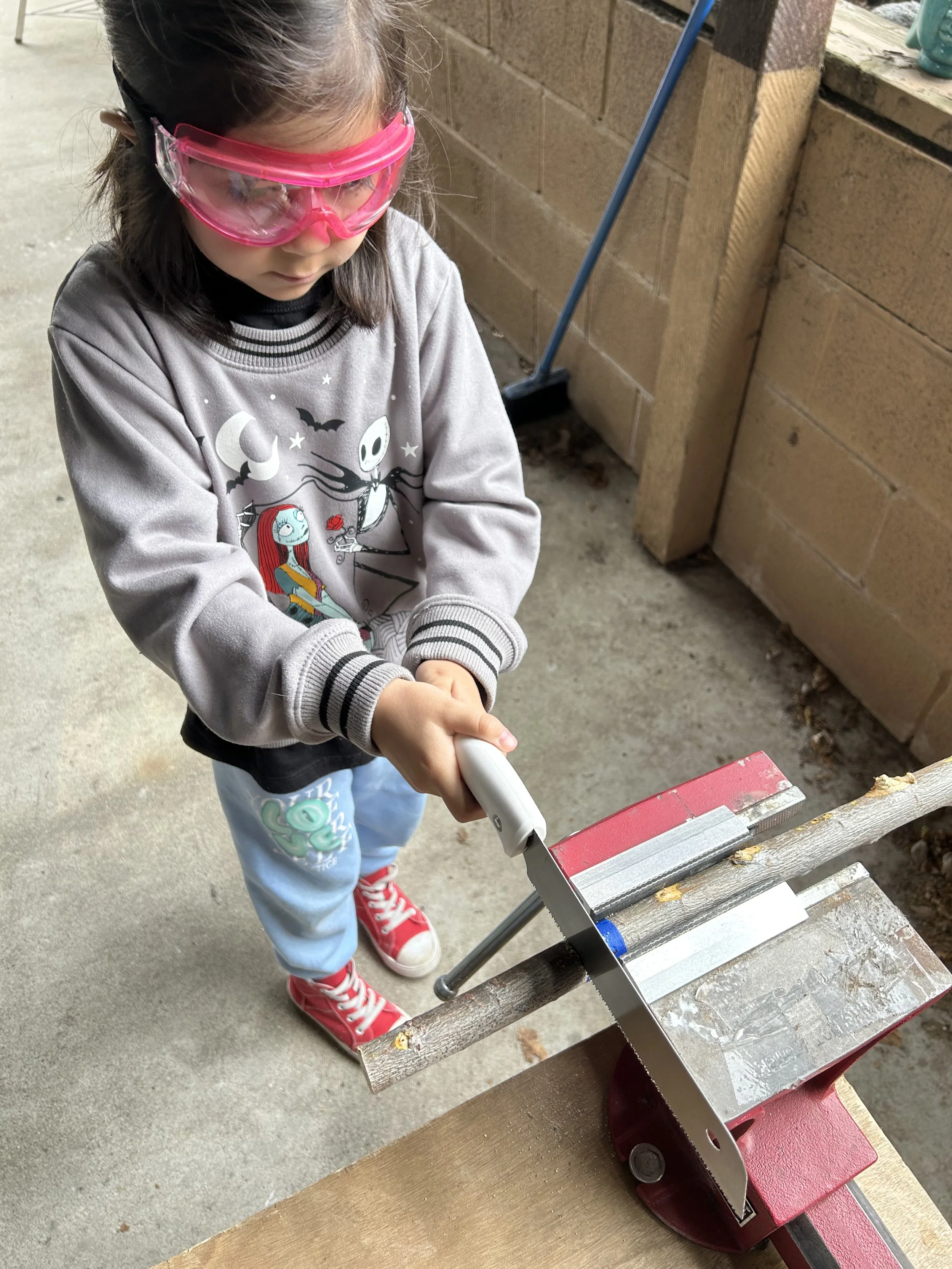
Woodwork is active, hands-on learning at its best, offering a completely different set of sensory experiences to captivate a young student's interest. The smell and feel of wood, working with real tools, and the sounds of hammering, sawing, and sanding—these experiences offer the child's hands and mind opportunities to imaginatively create, solve real problems, and use strength and coordination to complete a finished piece. Woodworking's practical, repetitive nature teaches patience in subtle but very effective ways. Once the child realizes that they can’t move to the next step until the previous has been completed, they’ll slowly begin to learn to be more patient as the importance of the process emerges. Through the building of "will forces," woodworking is incredibly empowering for all children, especially those who struggle with the notion of things being "too hard" to accomplish. Woodworking teaches grit and determination.
Woodwork helps the child acquire the following traits and skills:
Patience and perseverance are developed with projects that take days or weeks to complete, allowing the child to extend their learning through in-depth experimentation with tools, techniques, and materials over time.
Working responsibly with real tools requires attention to detail, which builds the capacity to concentrate and focus.
To paraphrase Waldorf woodwork teacher Bernard Graves, motor activity evolves into skill when the child responds sensitively to the nature of the materials and the correct use of tools. Likewise, willpower is transformed into a beautiful form when working artistically with design, color, and shape. And when these two aspects are combined in work, it allows the child to have a sense of fulfillment and a sense of true purpose in their efforts. Work that might otherwise be an insignificant act is raised to the status of a virtue.
Once the child is immersed in woodwork, grownups will likely observe high levels of engagement, deep focus and concentration, and increased persistence and perseverance when faced with challenging tasks. In addition, because each project takes time and effort to produce, woodwork offers an antidote to our fast-paced, immediate gratification society by providing hands-on learning experiences that require patience.
Woodworking teacher Peter Moorhouse (The Importance of Woodwork in Early Childhood Education) explains, "Mathematical thinking is developed, scientific knowledge is gained, technological understanding is developed through working with tools, and children become engineers as they construct. Woodwork is exceptional for developing children's creative and critical thinking skills. As children tinker and experiment with the possibilities of wood and tools, they then go on to express ideas and resolve their work. But woodwork is not just about what children make—it is all about the changes within the child. Woodwork significantly impacts children's self-esteem and confidence, and it develops a sense of agency—that 'can-do' mindset."
Adults may wonder: “How can younger children safely use real tools, such as a saw, drill, and rasp, while learning online?” Woodwork becomes a low-risk activity when basic safety measures are implemented, and appropriate tools are introduced and monitored responsibly. We will cover the safe use of tools, and, like hand sewing, each project will build upon the previous, both in skills learned and tool usage.
NOTE: If your family doesn’t already own hand tools or have the option to borrow what is needed for class, you will find that purchasing woodworking tools is an investment. However, these basic hand tools will serve as the foundation of a toolbox that your child can use for the rest of their life.
WHAT PARENTS ARE SAYING ABOUT MS. SMITH’S HANDICRAFTS CLASS (FORMERLY HAND SEWING AND WOODWORKING):
"Our Family enjoyed hand sewing class. We all had a lot of fun with the projects, and they were easy to learn and understand. Learning to sew gave our daughter a lot of confidence in being able to make something herself that she could enjoy for years. Knowing this skill can greatly help her in the future. Being on camera with the other students was motivational because she could see that other kids her age were able to show each other their work and compare ideas of what they had accomplished together.”
- L. Johnson
“Lotus & Ivy is the perfect combination of homeschooling and Waldorf education. My kid’s hand skills are outstanding for his age, and I know it is because of Lotus & Ivy.”
- G. Pinzon
“Our daughter is so proud of having her own toolbox and new woodworking skills she can show off to her Dad in the woodshop and around the house! She even took it upon herself to sand and beeswax an old stool she wanted to use.”
- R. Burke
Pentatonic Flute

Playing a flute is not only fun and creative, it has many educational benefits as well. Breathing is a very important process to keep the body regulated and oxygenated for optimal use of the body and brain. Learning to read musical notation strengthens the pathways for new language acquisition and math symbols and rhythms. Singing and playing the flute or recorder creates an inner vibration in the body that stimulates warmth, heart connection, empathy, and creativity.
First and second graders are learning to distinguish left and right, up and down on the flute. We will sing songs with movements that will help orient the children to their flutes. Using the Choroi Pentatonic flute is a long tradition in Waldorf Schools and age appropriate for younger children. The class will sing, play songs, invent new songs and learn symbols for each note to begin understanding musical notation. This class is designed for beginning flutists.
Students will need Choroi Pentatonic Flute tuned to 440Hz, swabby and cleaning cloth, and flute oil.
Woodworking


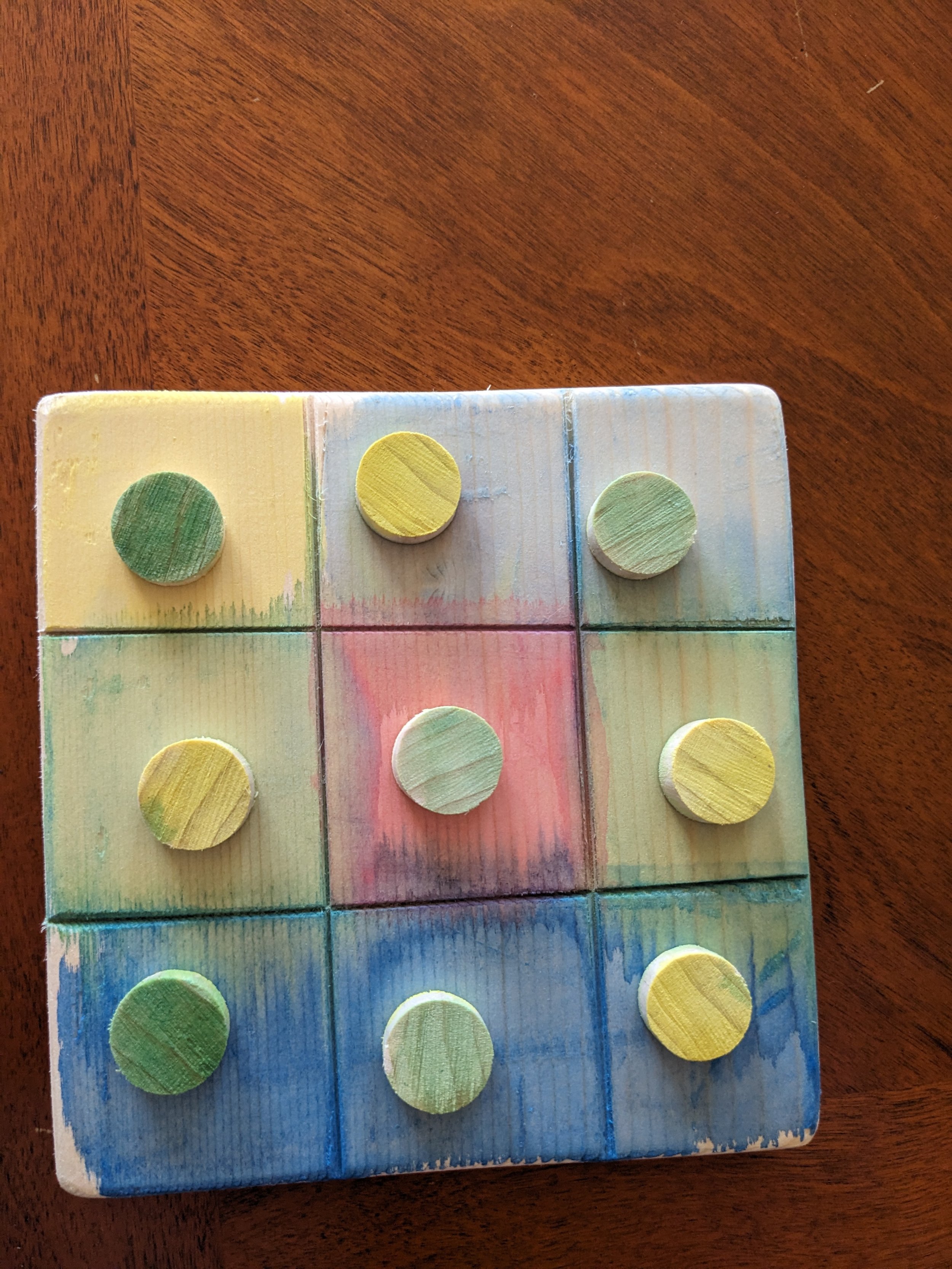
Rudolf Steiner explains that the development of adult qualities, such as sound judgment and balanced thinking, depends far more on whether the child has learned to use his hands and fingers in practical ways than exercising logical thinking in later life.
Woodwork helps the child acquire the following traits and skills:
Patience and perseverance are developed with projects that take days or weeks to complete, allowing the child to extend their learning through in-depth experimentation with tools, techniques, and materials over time.
Handwork strengthens forces (behaviors) that are weak. For example, it encourages thinking in the dreamy child, feeling in the overly intellectual child, and stimulates activity in the weak-willed child.
Working with hands builds the capacity to solve unexpected problems. Students learn to notice mistakes and figure out ways to correct them.
Working responsibly with real tools requires attention to detail, which builds the capacity to concentrate and focus.
To paraphrase Waldorf woodwork teacher Bernard Graves, motor activity evolves into skill when the child responds sensitively to the nature of the materials and the correct use of tools. Likewise, willpower is transformed into a beautiful form when working artistically with design, color, and shape. And when these two aspects are combined in work, that allows the child to have a sense of fulfillment and a sense of true purpose in their efforts. Work which might otherwise be an insignificant act, is raised to the status of a virtue.
NOTE: To enroll in Lotus & Ivy Hand Sewing & Woodworking class, a grown-up must be readily available to support the student’s learning in every class.
Class 1 Woodworking Testimonials:
"At age 7, the thing that I most want my son to learn is that he has the power to use his hands and his skills to take something real and raw, like a piece of wood, and turn it into something functional and beautiful. Ms. Smith was absolutely able to achieve that goal during her woodworking class. My son learned to handle real tools responsibly, to see the potential within raw materials, and most importantly to persevere when he was learning a new skill that wasn’t always easy for him.”
- R. Helster
"You have given such a gift to Alex by teaching him how to do woodworking. About halfway thru the class, he set up a sign that read, “Toy Shop. Free Toys.” He proceeded to make gifts for his sister, his cousins, and his friends. It is so lovely to see him being so generous with his work.”
- J. Rich
Hand Sewing


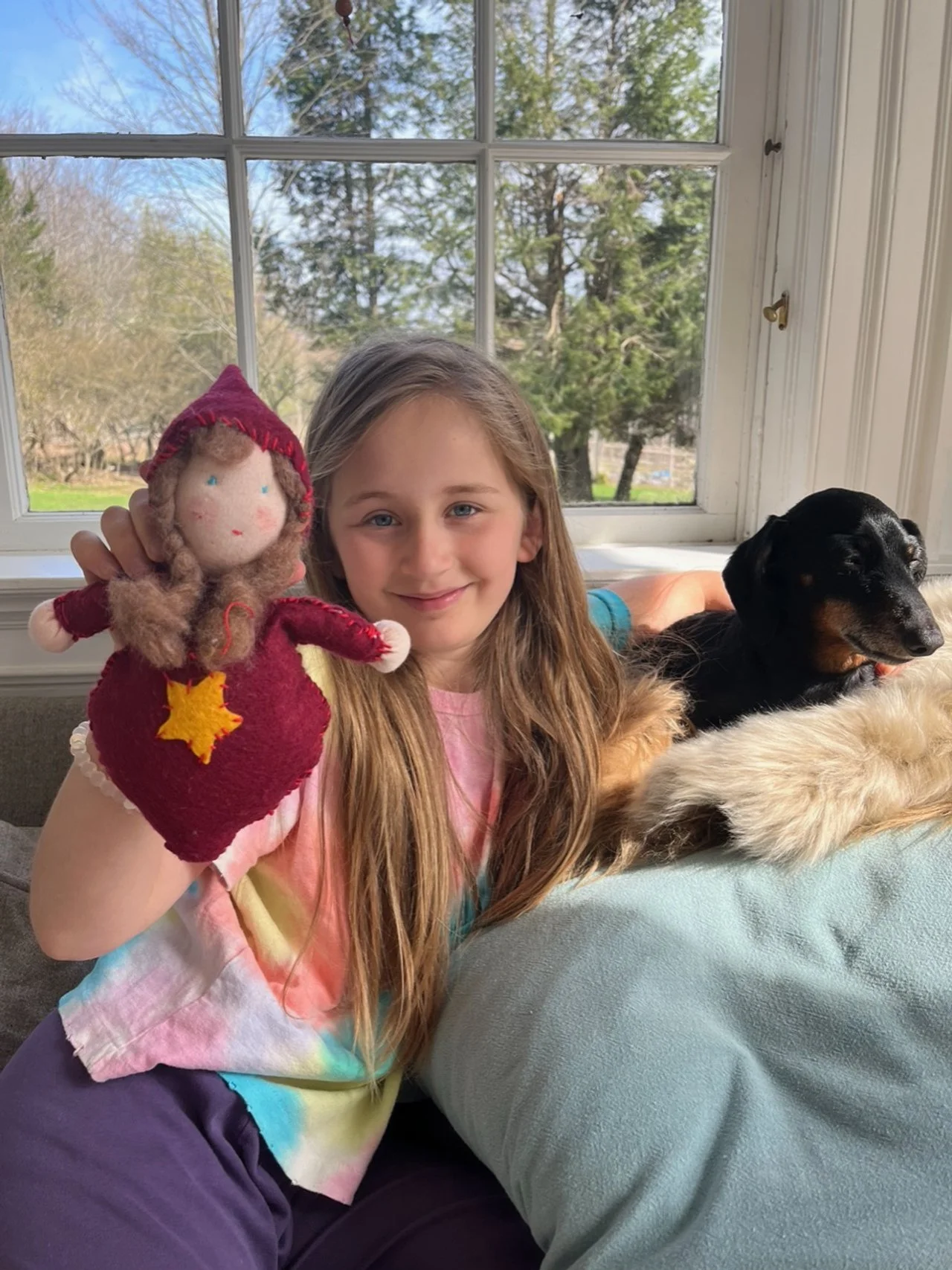
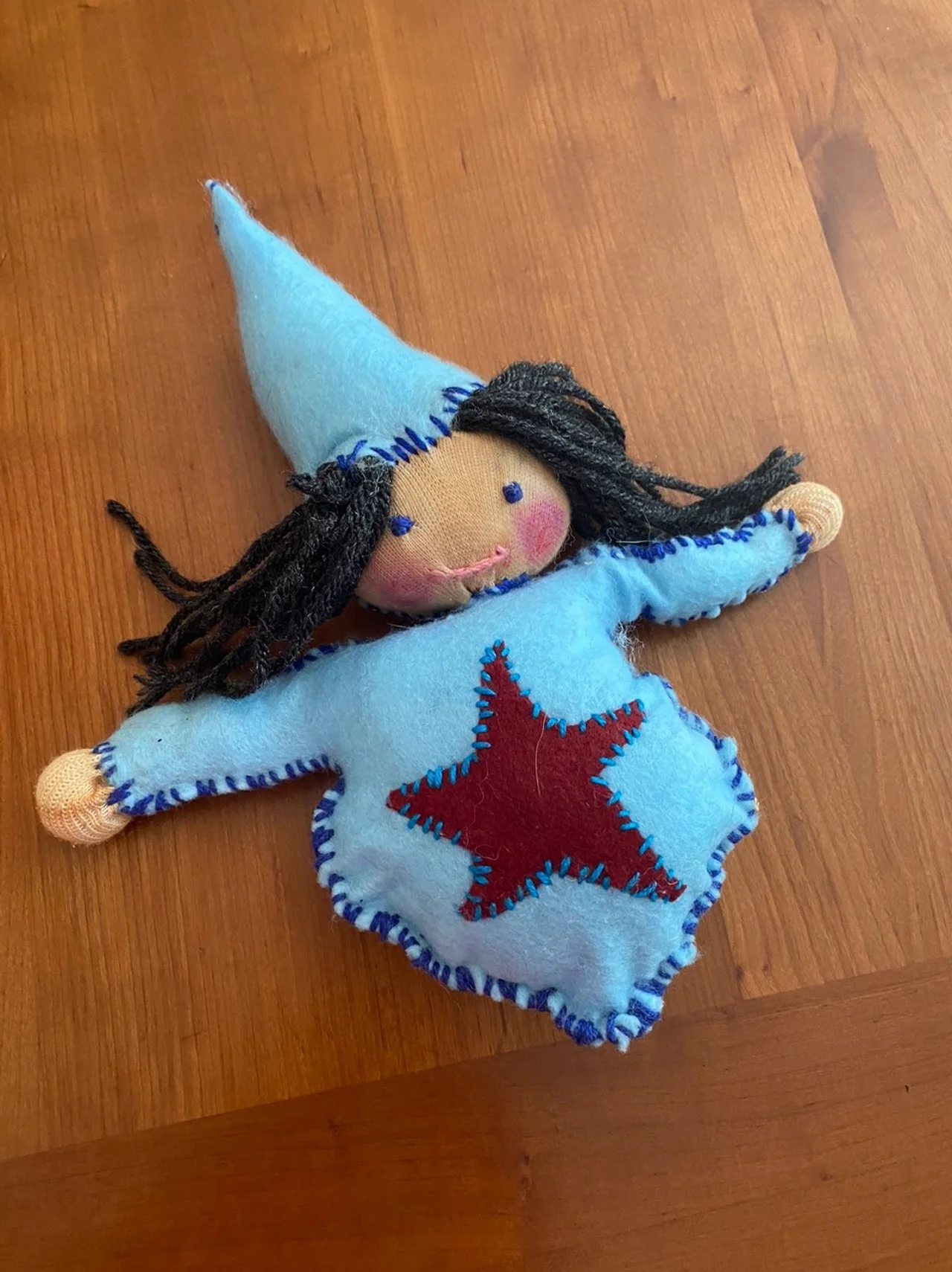


Teaching children to make useful and beautiful things with their hands is a fundamental element of the Waldorf curriculum from kindergarten throughout the grades. Through practical and meaningful handwork activities younger students develop strength and coordination in their hands and fingers. In addition, improved fine motor skills foundationally prepare students for writing, drawing, and artistic work in grade school.
Learning to skillfully use their hands not only develops the child’s sense of self-reliance and confidence, but hand skills also awaken creative powers, promote a sense of reverence for craftsmanship, and instill respect for the makers of the world.
Additionally, hand sewing helps the child acquire the following traits and skills:
● Patience and perseverance are developed with projects that take weeks to complete, allowing the child to extend their learning through in-depth experimentation with tools, techniques, and materials over time.
● Handwork strengthens forces (behaviors) that are weak. For example, it encourages thinking in the dreamy child, feeling in the overly intellectual child, and stimulates activity in the weak-willed child.
● Working with hands builds the capacity to solve unexpected problems. Students learn to notice mistakes and figure out ways to correct them.
● Working responsibly with real tools requires attention to detail, which builds concentration and focus.
Matti Bergstrom, a Swedish neurophysiologist, says, “The density of nerve endings in our fingertips is enormous. Their discrimination is almost as good as that of our eyes. If we don’t use our fingers in childhood and youth, we will become ‘finger-blind,’ and this rich network of nerves will be impoverished, which represents a huge loss to the brain and thwarts the individual’s overall development.”
**Some projects require greater assistance for your child, so please be readily available to support your child’s learning during class time for hand sewing each week.
Class 1 Hand Sewing Testimonials:
"I would recommend this class (and any class Karen teaches) to any child interested in working with their hands. Communication is great throughout, the projects are fun, and Karen makes sure the kids stay engaged and entertained throughout with stories, shared jokes, and encouragement. I was so impressed with what the kids made in class, and also by the independent projects they started to take on spontaneously toward the end of class as their skills and confidence grew. Thank you, Karen!”
- M. Vanderhoff
"I would encourage any family to try out this class even if they are not sure or have little experience with sewing. They will be surprised to discover how Mrs. Smith's careful instructions and guidance help little hands to do the work and create beautiful projects!”
- D. Skudina
Wet-on-Wet Watercolor Painting
In this watercolor class, students from grade 1 will hear stories which offer nourishment in their specific stage of development; stories of colors, forms, beginnings, friendship, fairy tales, nature, etc. These stories will come to life as we paint an image together each week.








Students will learn to honor their inner artist with words of encouragement, kindness and love as we work our way through meeting all primary colors, then secondary colors, and beyond.
We paint using the wet on wet technique. This means we use liquid watercolor pigments and pre-soaked watercolor paper. These liquid pigments make the colors very fluid, and they mix together in beautiful, sometimes unpredictable ways. It is a wonderful way for the children to learn through direct creation and observation how colors and forms are created while letting go of perfection. There is no “perfect” in painting! Especially in the experience of wet on wet. We are making artists in this class, and the paintings are just an added outcome of the artistic process.
Cooking


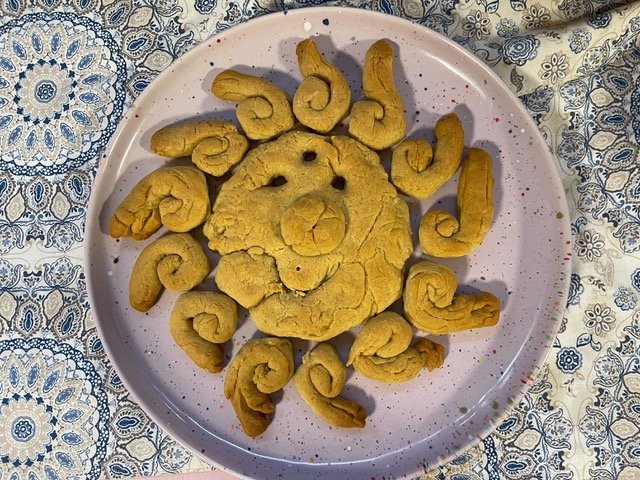


Encouraging children to help prepare healthy meals for their families is an excellent way to teach them essential life skills. They gain a deeper understanding of the effort and time required to create tasty dishes and develop a stronger connection to the ingredients they use. This connection often makes children more open to trying foods with new flavors and textures. By expanding their palate, they can develop healthy eating habits that benefit them for life. By encouraging independence and instilling competence, children will gain the confidence to make any recipe they discover and adapt recipes to suit their tastes. The sense of accomplishment that comes from feeding loved ones can also lead to self-confidence in other areas of life.
Anticipated Recipe List:
(Recipes are subject to change according to dietary restrictions and accommodations needed within the class.)
Berry Oat Crumble Bars
Veggie Platter with Creamy Herb Dipping Sauce
Valentine Hand Pies
Easy Breakfast Egg Muffins
Design Your Own Fruit Smoothie
Oven-baked French Fries and Homemade Ketchup
Super Foods Breakfast Cookies
Stovetop Popcorn
Fluffy Bunny Banana Pancakes
Tomato Soup with Grilled Cheese Sandwiches
Healthy Cinnamon Rolls
Homemade Goldfish Crackers
Vegan Blueberry-Lemon Scones
Cheesy Pasta with Oven-Roasted Veggies
Healthy Double Chocolate Muffins (with Veggies!)
Sun Bread and Homemade Honey Butter
Mason Jar Ice Cream
Throughout the semester, the variety of recipes will reinforce technical skills, encourage innovative use of ingredients, and support interest in food culture. However, this class is about more than preparing tasty dishes.
Cooking offers hands-on experience with measuring, counting, fractions, tracking time, and temperature. For students in third grade and up, multiplication and division skills are needed to scale a recipe up or down. For students in fifth grade and up, additional math practice can come from calculating the cost of making a recipe vs. the price of a take-out version of a similar dish.
Following the step-by-step process-focused instructions of a recipe improves reading comprehension and shows that reading has practical benefits.
As foods are prepared, abstract concepts such as chemical reactions become relevant and understandable to children.
Cooking requires problem-solving and resilience to find solutions when a recipe does not come together as planned.
Many recipes we will prepare utilize basic ingredients that the student may already have in their pantry, demonstrating that home-cooked meals are manageable and can be fast and straightforward to prepare.
The kitchen is an excellent place for children to engage their senses experientially. They can knead, toss, pour, smell, chop, feel, and taste foods, all while having fun and learning without even realizing it.
Students will be encouraged to flavor dishes with herbs and spices and challenged to try their own variations, customizing recipes to suit their flavor and dietary preferences.
Cooking can teach children responsibility as they learn specific tasks to contribute to meal preparation and cleanup.
Acquiring ingredients from the grocery store, farmer’s market, or even harvesting their own herbs, fruits, and vegetables helps children understand where the ingredients that make up their favorite meals are sourced. Purchasing fresh, locally grown ingredients supports farmers in your area. For the Cooking 3/4 class: Students will be encouraged to visit a farmer’s market or pick- your-own farm to choose local seasonal ingredients.
Making a grocery list before shopping helps a child learn about planning and making informed choices about healthy foods. Choosing whole-food ingredients reduces packaging waste and instills the values of environmental consciousness.
Preparing recipes from other countries allows children to experience new flavors and textures. This exposure to diverse cuisines opens a child’s mind to different cultures, offers a geography lesson, and promotes awareness, understanding, and appreciation of culinary traditions and practices worldwide. For the Cooking 5-8 class: Each week, students will be encouraged to research two new facts about the recipe’s country of origin to share with the class.
Cooking allows children to learn more about their own heritage and family traditions through treasured recipes passed down through the generations.
Seasonal Crafting
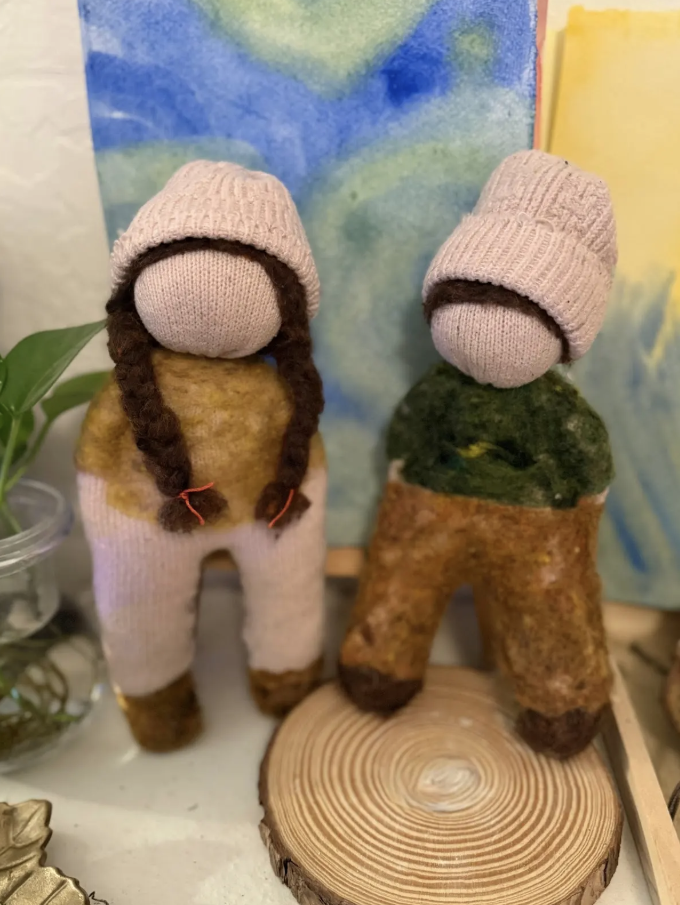
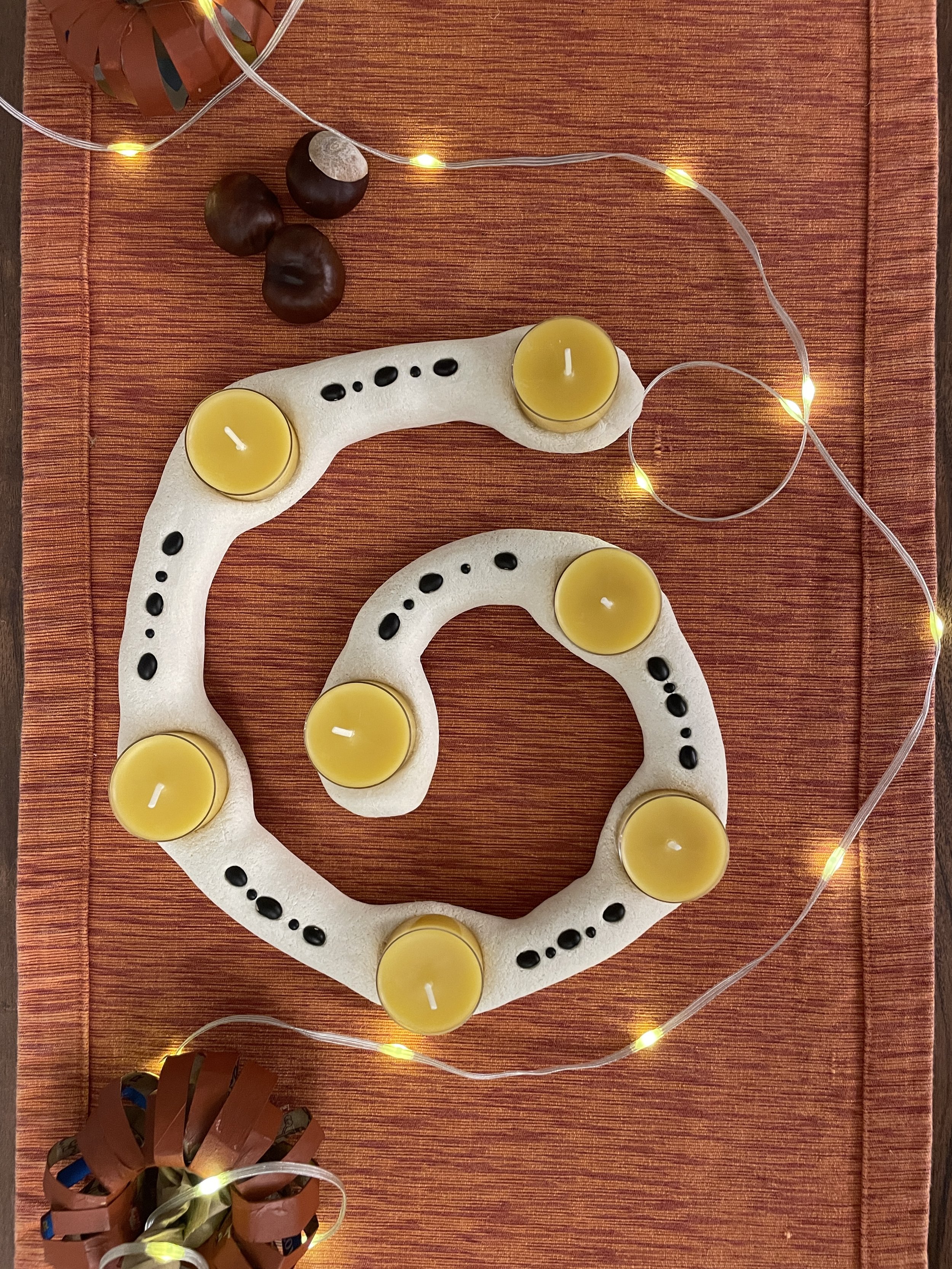
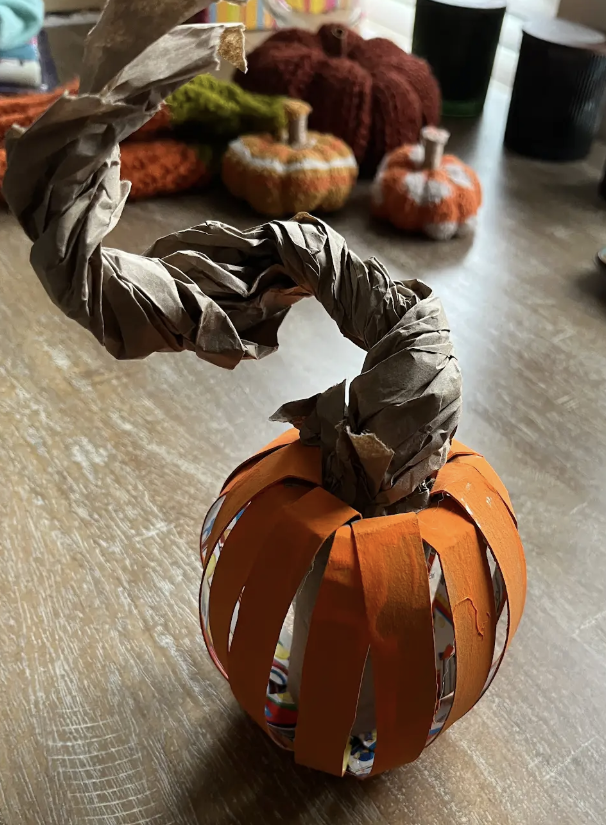
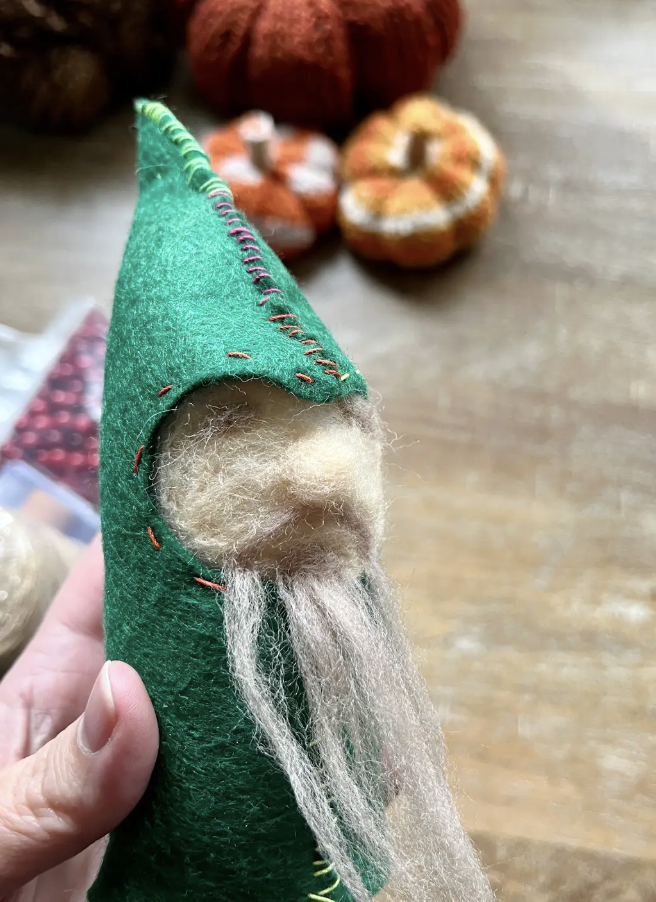


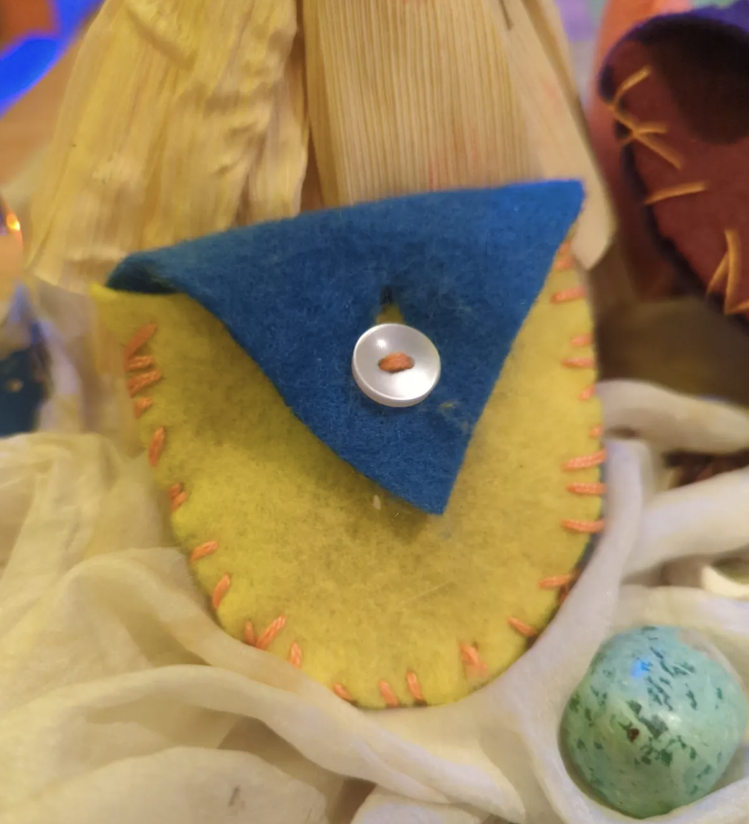
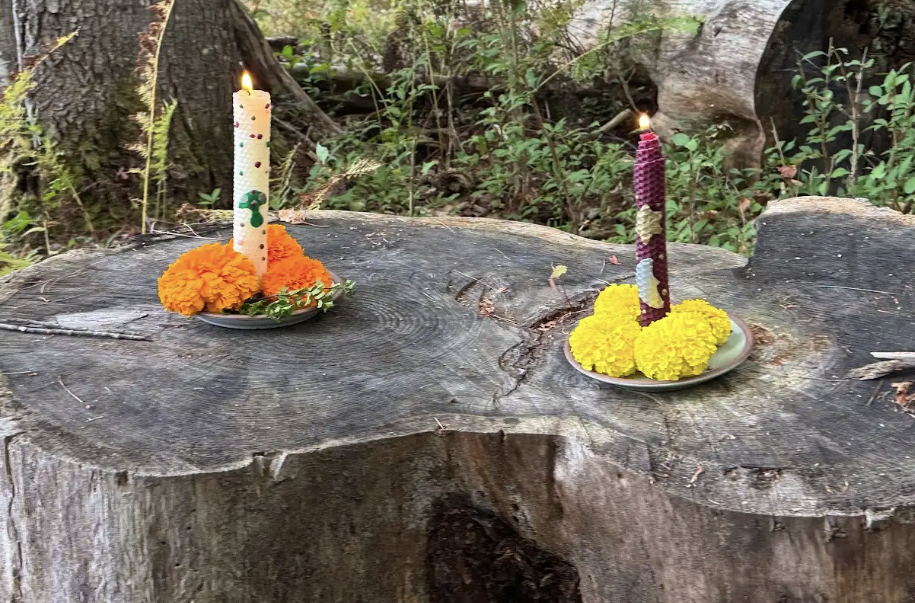
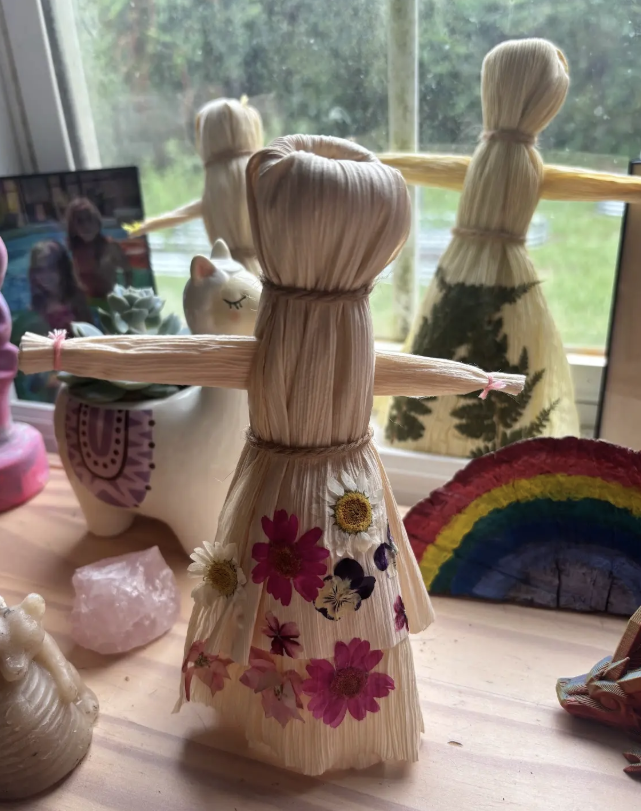
In this hands-on Complement class, students will explore traditional crafts from around the world using natural and recycled materials. Each week features a new seasonal or cultural theme—paired with storytelling or historical context—to deepen connection and meaning. Projects support creativity, fine motor skills, and environmental awareness while celebrating the rhythms of nature and global traditions. From corn husk dolls and Japanese koinobori to beeswax candles and Guatemalan worry dolls, students will create beautiful, meaningful art while learning to care for the earth and honor cultural heritage.
Handwork: Beginning Knitting
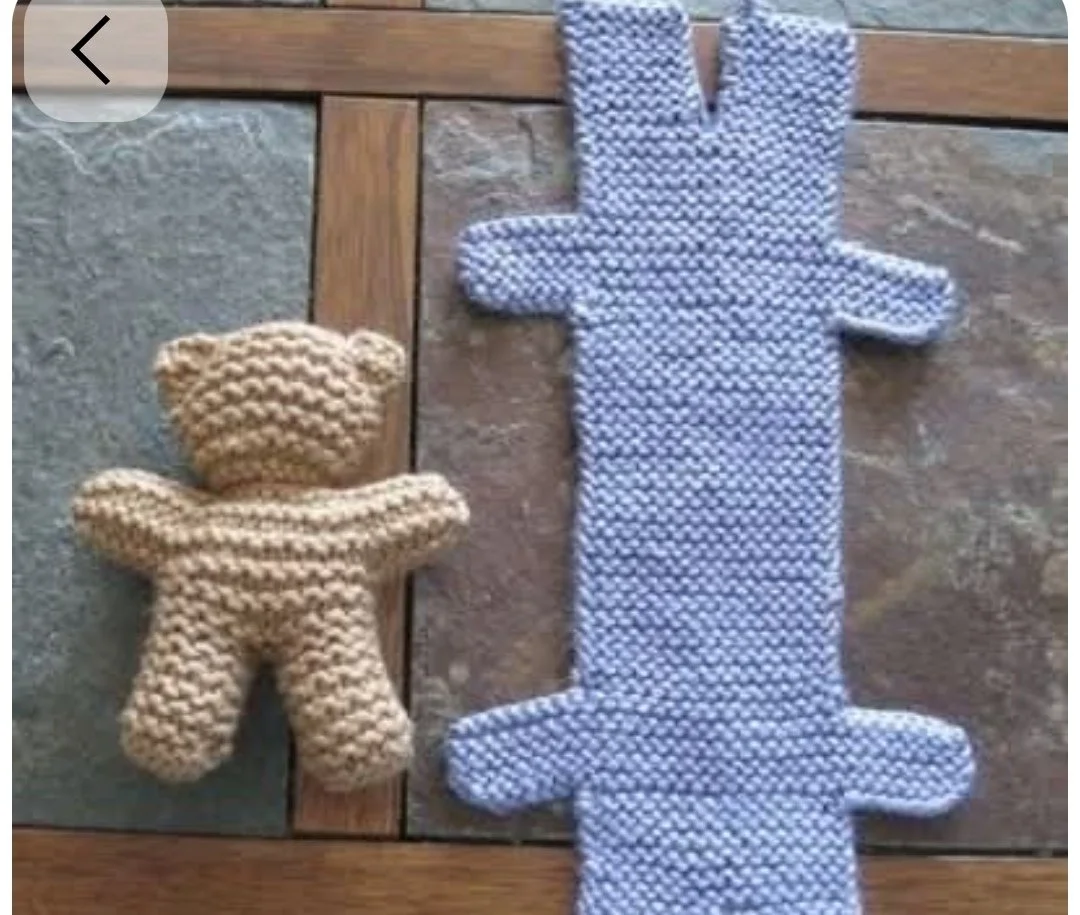
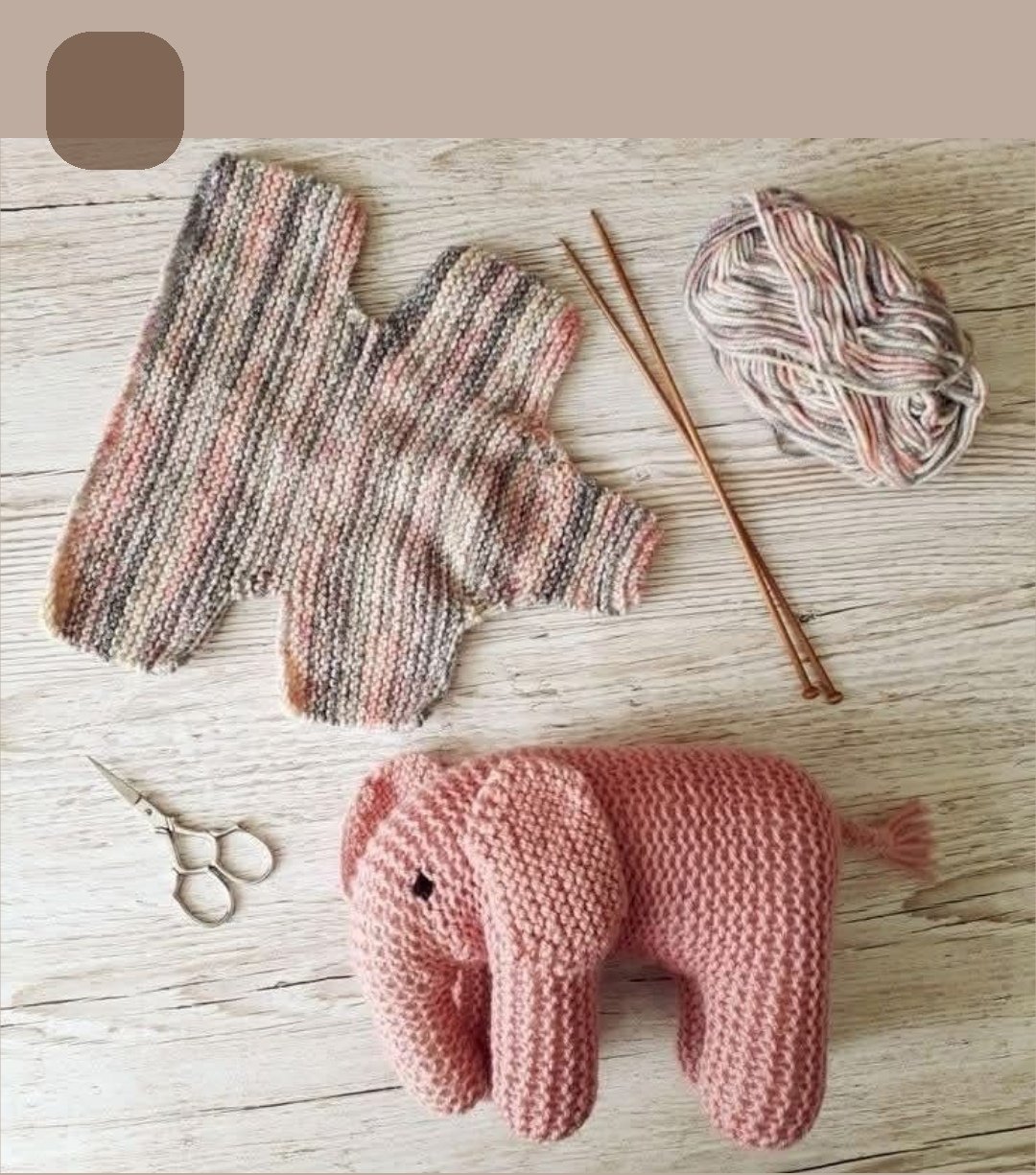
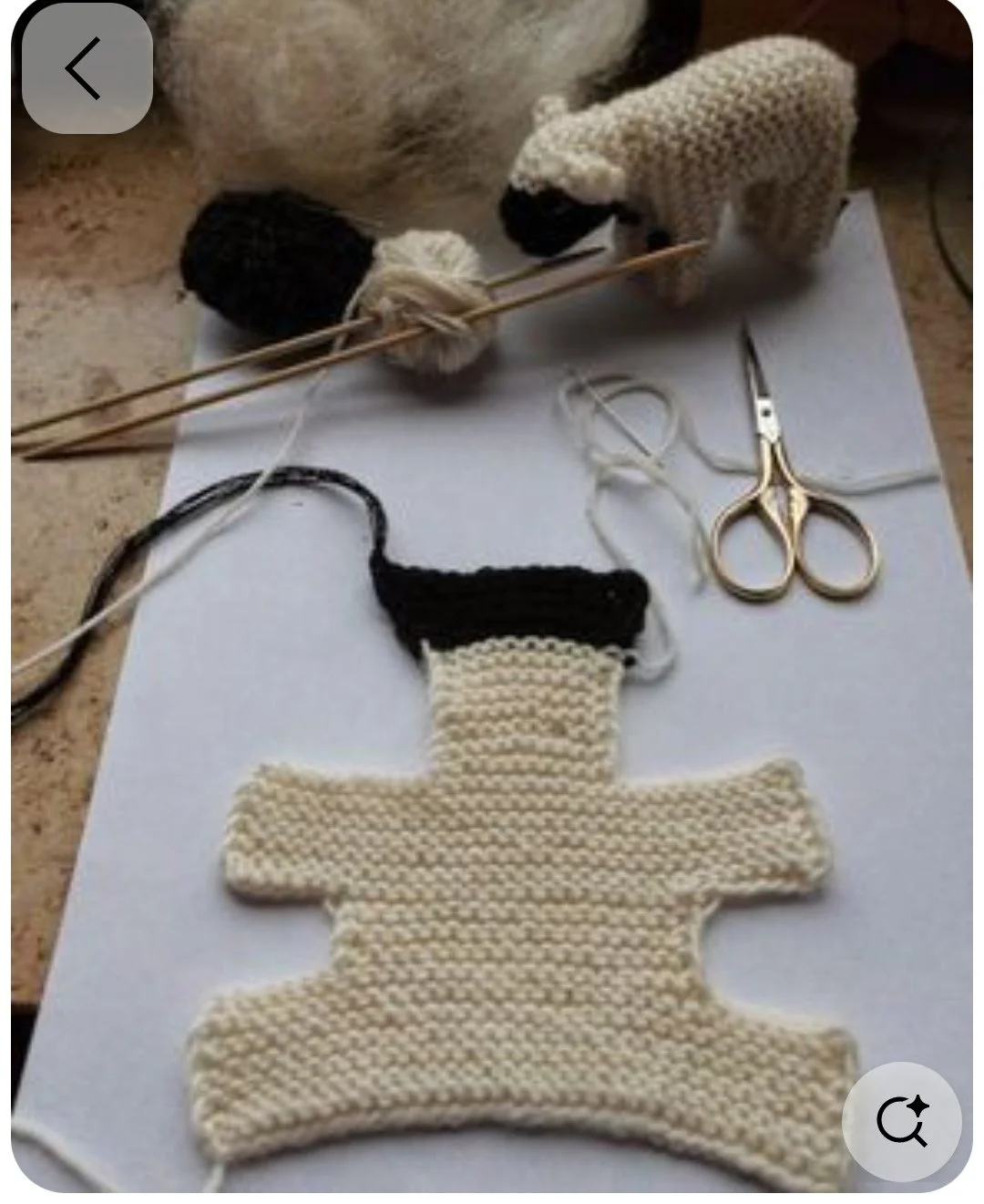
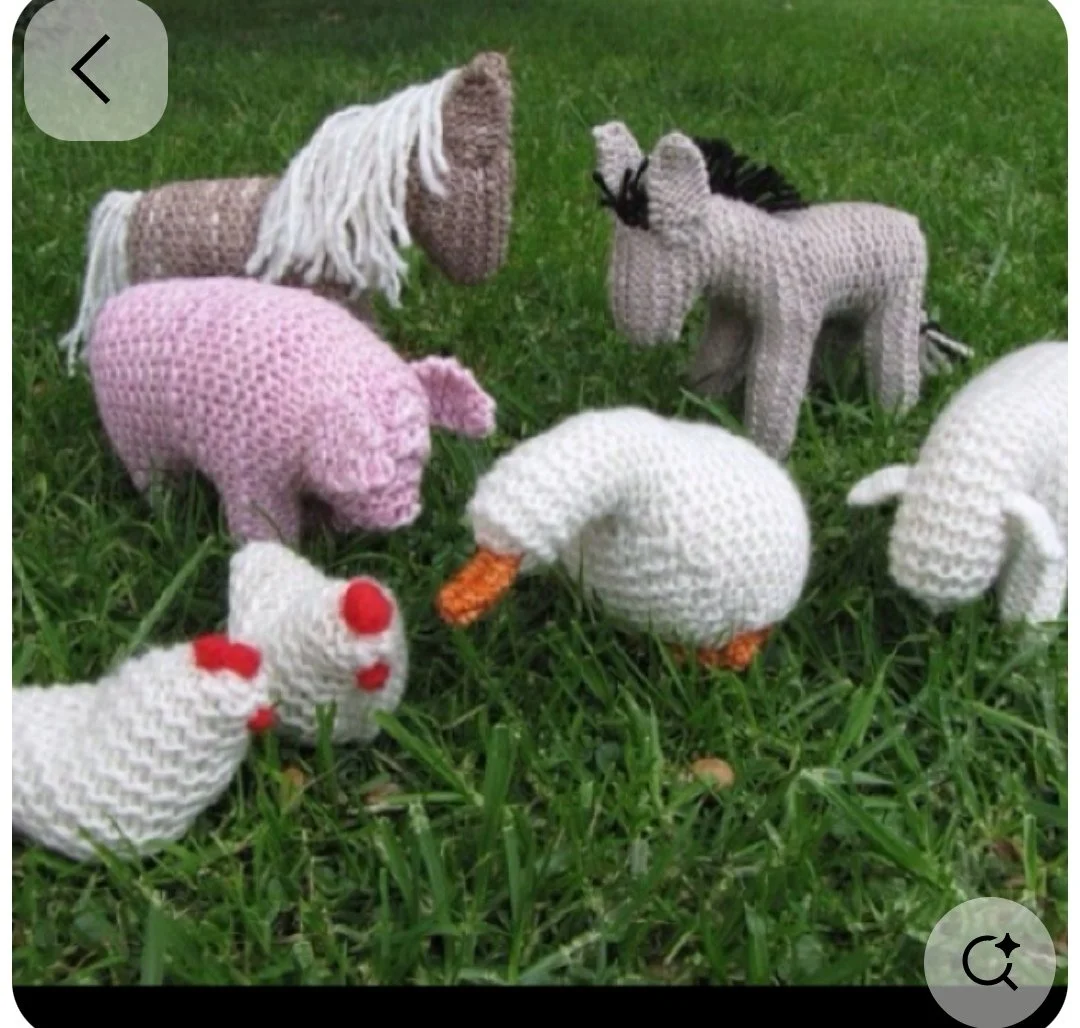
In a Waldorf Grade 1/2 setting, knitting is introduced as a foundational handwork activity that supports both physical and cognitive development. At this age, children are beginning to strengthen fine motor skills, develop concentration, and build confidence through practical, rhythmic work. An online format requires a gentle, well-paced approach with strong visual guidance and simple, clear instructions.
The lesson begins with a warm, welcoming rhythm. A short verse, finger play, or song helps children settle and prepares their hands for work. This transition is especially important online, where distractions may be greater. The teacher models calm, deliberate movements, inviting imitation rather than giving complex explanations.
Children are introduced to basic knitting materials: two needles and soft yarn. The focus at this stage is on learning the knit stitch, often through storytelling or imagery (for example, describing the needle as going “through the door, around the back, and off jumps the stitch”). Visual demonstration is essential—hands should be clearly visible, and movements slow and repeated.
Because this is an online lesson, parents or caregivers play a supportive role. They may help with setup, holding needles, or gently guiding the child’s hands. Instructions should remain simple and consistent to avoid confusion. The teacher checks in frequently, allowing time for children to follow along and ask for help.
The knitting process is taught step by step: holding the needles, forming stitches, and maintaining a steady rhythm. Repetition is key. Children are encouraged to work patiently, even if progress is slow. Mistakes are approached calmly as part of learning, fostering resilience and confidence.
A short break or movement activity can be included midway to maintain focus. Returning to knitting afterward helps children practice perseverance. The lesson maintains a predictable structure, which supports a sense of security and engagement.
Closing the lesson is just as important as beginning it. Children are invited to show their work, no matter how small. The teacher acknowledges effort rather than perfection. A closing verse or song brings the session to a gentle end and reinforces the rhythm of the experience.
Overall, beginning knitting in Grade 1/2 is less about producing a finished item and more about developing coordination, focus, and joy in purposeful activity. Even in an online setting, with warmth, patience, and clear guidance, children can successfully engage in this meaningful handwork practice.