
Painting & Drawing:
Color, Meaning, and Oils
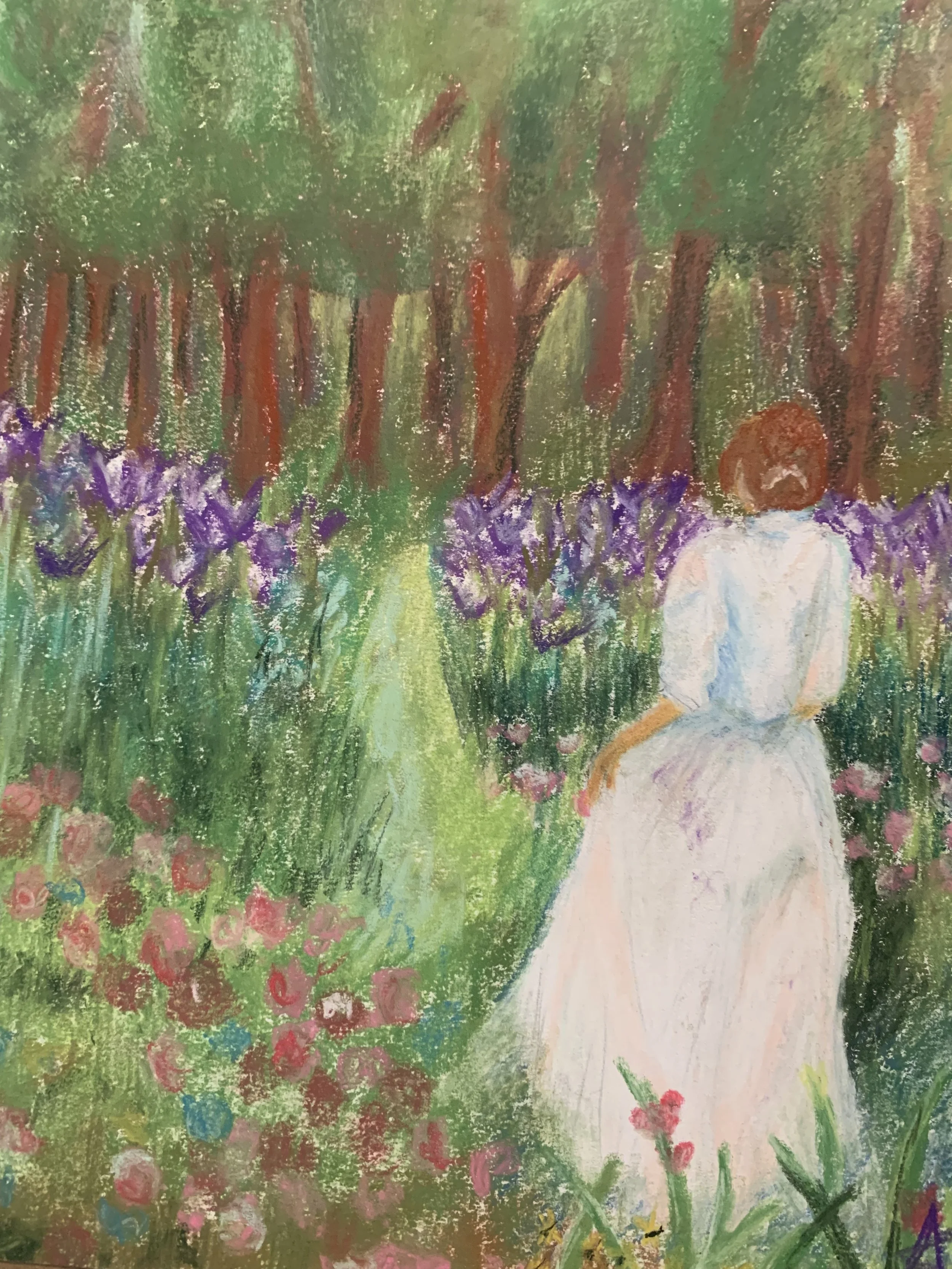
This year-long course offers 9th and 10th-grade students a supportive space to explore how artistic work communicates feeling, meaning, and personal insight. The curriculum balances technical skill-building with deep personal expression, encouraging students to observe how color and form can represent their unique ideas and experiences. The aim is to help students discover how artistic work can become a meaningful form of personal expression while building a clear relationship with the world around them.
Throughout the year, we will engage in discussions about our own work and study examples from professional artists to understand diverse creative approaches to similar ideas.
Curriculum Highlights:
The Language of Color: We begin by exploring how color alone can communicate meaning. Using warm and cool tones, students will experiment with how color represents complex emotions such as joy, calm, fear, anger, and sadness.
Symbolism & Identity: Students will study how symbols communicate ideas, beliefs, and identity within society. Using these insights, they will create work that explores personal themes, encouraging a deeper connection to their chosen subjects.
Diverse Media Exploration: Throughout the year, students will strengthen their skills across a wide range of mediums, including pencil, watercolor, collage, charcoal, pastels, and acrylic paint.
Focus on Oil Painting: A major focus of the course is a comprehensive introduction to oil painting. Students will master the basics of the medium, including material preparation, color mixing, layering, and building depth.
Independent Projects: The skills developed throughout the year lead into a large-scale independent painting project during the second semester, where students gain confidence in their unique artistic voice.
Course Format & Expectations:
Our Complements classes meet once a week. To ensure students have the time to develop their technical skills and personal projects, students should be prepared to engage thoughtfully in both classroom discussions and hands-on studio work.
Supplies for Class:
Paper & Canvas: Drawing paper, painting paper, and oil paint paper (larger sizes preferred); one canvas (size TBA).
Drawing Tools: Charcoal, a set of drawing pencils (HB to 6B), colored pencils, and a set of soft pastels.
Paints & Mediums: Watercolors, acrylics, and oil paints.
Oil Painting Essentials: Poppy seed oil, natural turpentine (or alternative), and Liquin.
Studio Tools: A variety of brushes in different sizes, masking tape, scissors, ruler, hair dryer, and art fixative (or hairspray).
Documentation: Camera and access to a printer.